
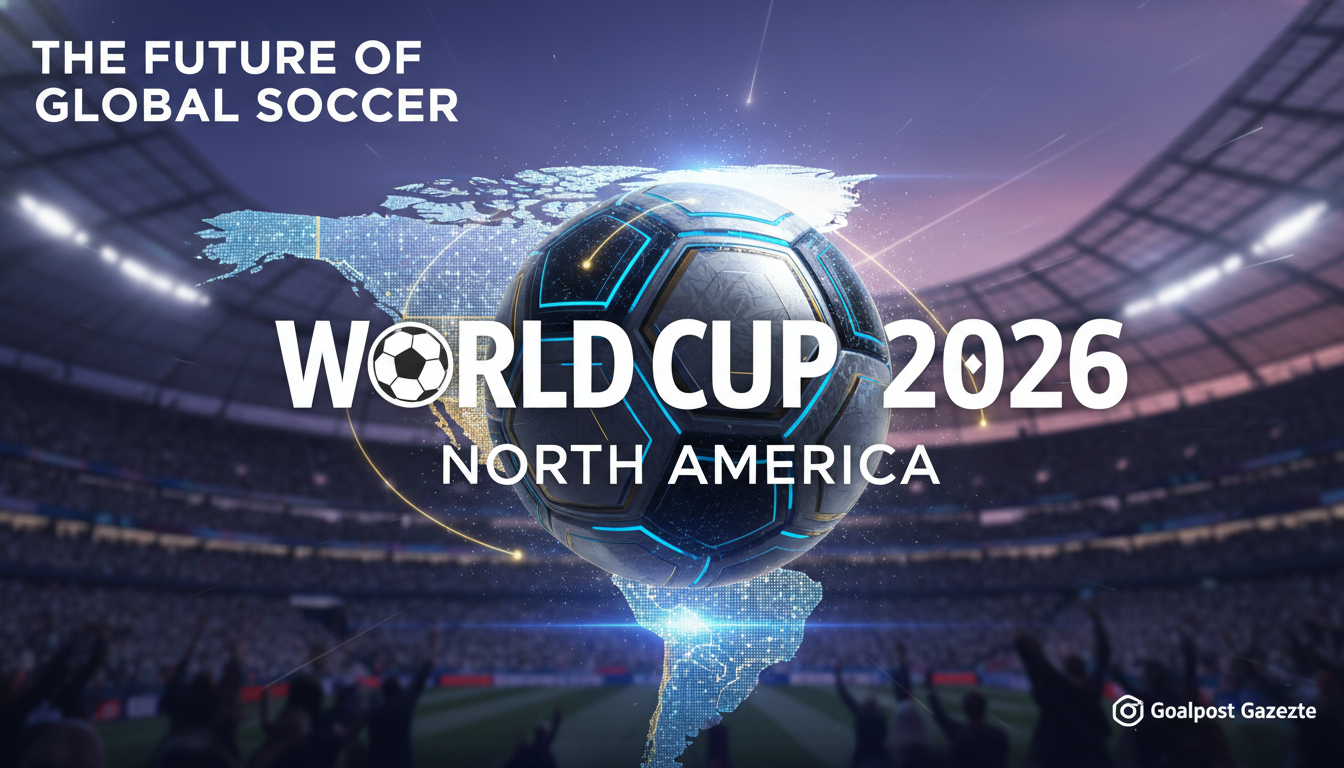
Worldcup soccer 2026 is poised to be the most spectacular and inclusive tournament in history. With an expanded format and co-hosting duties shared between the United States, Canada, and Mexico, the stage is set for a truly global celebration of the beautiful game. This article delves deep into the complexities surrounding the tournament, offering insights, predictions, and everything you need to know to stay ahead of the curve. We’ll examine the format changes, potential contenders, emerging stars, and the economic impact this mega-event will have. Prepare to be captivated as we navigate the exciting journey towards 2026.
The Expanded Format: A Game Changer
One of the most significant changes for worldcup soccer 2026 is the expansion from 32 to 48 teams. This groundbreaking decision by FIFA aims to provide more opportunities for nations to participate in the pinnacle of international football. While some critics argue that this dilution of talent could lead to lower-quality matches, proponents claim that it fosters greater inclusivity and develops footballing nations. To understand more about the rationale behind this decision, check out FIFA’s official statement on the expansion.
The new format will feature 16 groups of three teams each. The top two teams from each group will advance to a round of 32, followed by the traditional knockout stages. This structure necessitates a total of 104 matches, a significant increase from the previous 64. The increased number of games provides more opportunities for fans to witness thrilling contests and for participating nations to showcase their talent on the world stage. However, it also raises concerns about player fatigue and logistical challenges for the host nations.
Challenges and Opportunities
The expanded format presents both significant challenges and exciting opportunities for the host nations. Accommodating a larger number of teams and fans requires extensive infrastructure development, including new stadiums, upgraded transportation networks, and expanded accommodation options. The logistical complexities of managing 104 matches across three countries are immense, demanding meticulous planning and seamless coordination.
However, the expanded format also offers unprecedented opportunities for economic growth and tourism. The influx of fans from around the world will generate substantial revenue for the host nations, boosting local economies and creating jobs. The tournament also provides a platform to showcase the culture and attractions of the host countries to a global audience, enhancing their international reputation. For more on the economic impact of hosting the World Cup, consult this report from the Brookings Institution.
The Host Nations: A Tri-Nation Triumph
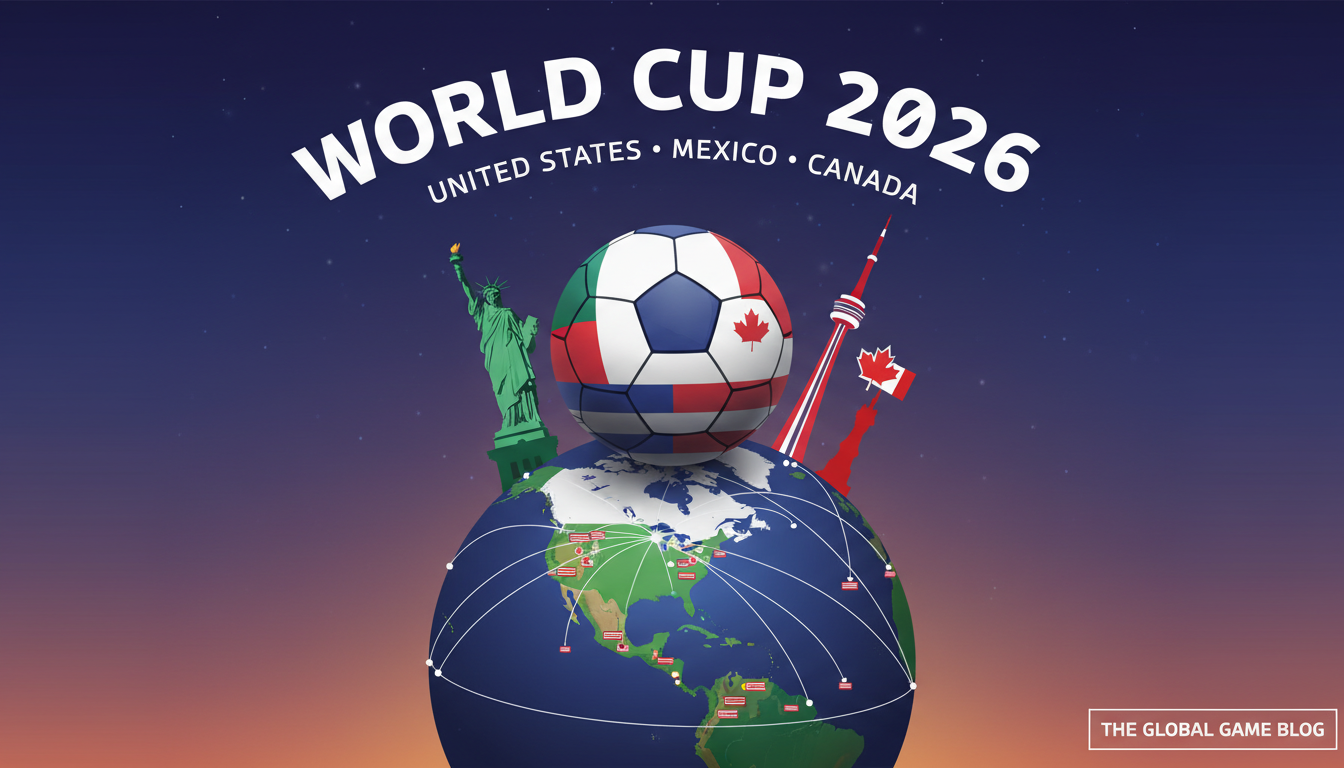
The selection of the United States, Canada, and Mexico as joint hosts for worldcup soccer 2026 marks a historic moment in the tournament’s history. This is the first time three nations have co-hosted the World Cup, reflecting the growing globalization of football and the desire to share the burden of hosting such a massive event.
United States: A Footballing Frontier
The United States, with its state-of-the-art stadiums and established infrastructure, is expected to play a central role in hosting worldcup soccer 2026. The nation has a proven track record of hosting major sporting events, including the 1994 World Cup and the 1999 Women’s World Cup. The growing popularity of soccer in the US, fueled by the success of Major League Soccer (MLS) and the increasing number of American players competing in Europe, has created a strong foundation for the tournament’s success. For the latest MLS news and scores, visit ESPN’s MLS page.
Canada: A Budding Soccer Nation
Canada’s co-hosting of worldcup soccer 2026 represents a significant milestone for the country’s footballing development. While ice hockey has traditionally been the dominant sport in Canada, soccer is rapidly gaining popularity, particularly among younger generations. Hosting the World Cup provides a unique opportunity to accelerate the growth of the sport and inspire future generations of Canadian players. Canada’s recent qualification for the 2022 World Cup in Qatar further solidified its position as a rising force in international football. Stay updated with Canadian soccer news on the Canadian Soccer Association’s website.
Mexico: A Passionate Footballing Powerhouse
Mexico, with its rich footballing history and passionate fan base, is a natural choice as a co-host for worldcup soccer 2026. The country has hosted the World Cup twice before, in 1970 and 1986, and has a deep-rooted love for the game. Mexican football is known for its vibrant atmosphere and the unwavering support of its fans. Hosting the World Cup again will undoubtedly be a source of immense pride for the nation. Keep up with Mexican soccer on MedioTiempo.
Potential Contenders: Who Will Lift the Trophy?
Predicting the winner of worldcup soccer 2026 is a daunting task, given the ever-changing landscape of international football. However, several nations stand out as potential contenders based on their current form, historical performance, and emerging talent.
The Usual Suspects
The traditional powerhouses of European and South American football will undoubtedly be among the favorites for worldcup soccer 2026. Nations like Brazil, Argentina, Germany, Spain, France, and England have consistently performed well in major tournaments and possess the quality and experience to challenge for the title.
- Brazil: The five-time World Cup champions are always a threat, with a seemingly endless supply of talented players.
- Argentina: Riding high after their 2022 World Cup victory, Argentina will be eager to continue their dominance.
- Germany: Despite recent setbacks, Germany remains a formidable force, known for their tactical discipline and efficiency.
- Spain: A resurgence in Spanish football, driven by young talent, could see them contend for the title.
- France: The 2018 World Cup champions possess a wealth of attacking talent and will be looking to reclaim their crown.
- England: After reaching the semi-finals in 2018 and the final in 2020, England is determined to finally bring football home.
Emerging Forces
Beyond the established powerhouses, several emerging nations could make a splash at worldcup soccer 2026. These teams have shown significant progress in recent years and possess the potential to challenge the established order.
- Netherlands: After missing out on the 2018 World Cup, the Netherlands have bounced back and are looking to re-establish themselves as a major force.
- Belgium: While the “golden generation” may be aging, Belgium still possesses considerable talent and experience.
- Portugal: Led by Cristiano Ronaldo, Portugal will be hoping to make one last push for World Cup glory.
- Senegal: The reigning African champions have a strong squad and could be a dark horse contender.
- United States: As co-hosts, the United States will have the advantage of home support and will be aiming to make a deep run in the tournament.
Emerging Stars: The Next Generation
Worldcup soccer 2026 will undoubtedly showcase a new generation of footballing superstars. These young players are already making a name for themselves and are poised to become household names in the coming years.
Potential Breakout Players
Here are a few names to watch out for as potential breakout stars at worldcup soccer 2026:
- Jude Bellingham (England): A dynamic midfielder with exceptional technique and athleticism.
- Pedri (Spain): A supremely talented playmaker with vision and creativity beyond his years.
- Jamal Musiala (Germany): A versatile attacker with exceptional dribbling skills and goal-scoring ability.
- Gavi (Spain): A tenacious and technically gifted midfielder.
- Endrick (Brazil): The young Brazilian prodigy is already generating significant buzz and is expected to be a star in the making.
- Youssoufa Moukoko (Germany): The youngest player to ever appear in the Bundesliga, Moukoko is a prolific goalscorer with immense potential.
These players, along with many others, represent the future of football and will be eager to showcase their talents on the world’s biggest stage at worldcup soccer 2026.
The Economic Impact: A Multi-Billion Dollar Bonanza
Worldcup soccer 2026 is projected to generate billions of dollars in economic activity for the host nations. The tournament will attract millions of fans from around the world, boosting tourism, creating jobs, and generating tax revenue. The economic impact will be felt across various sectors, including hospitality, transportation, retail, and construction.
Direct and Indirect Benefits
The economic benefits of hosting worldcup soccer 2026 can be categorized into direct and indirect impacts. Direct impacts include spending by tourists on accommodation, food, transportation, and entertainment. Indirect impacts include the ripple effect of this spending on local businesses and the creation of new jobs.
The construction of new stadiums and infrastructure improvements will also contribute significantly to the economic impact. These projects will create jobs and stimulate economic growth in the construction sector. Furthermore, the long-term benefits of improved infrastructure will extend beyond the tournament itself.
However, it’s important to acknowledge potential negative economic consequences, such as increased prices, displacement of residents, and the potential for cost overruns on stadium construction. A careful and well-planned approach is essential to maximize the economic benefits of the tournament while mitigating potential negative impacts. For more analysis on the economics of hosting major sporting events, refer to this report from the University of Oxford.
Technological Innovations: Enhancing the Fan Experience
Worldcup soccer 2026 is expected to be a technologically advanced tournament, utilizing cutting-edge innovations to enhance the fan experience. From advanced ticketing systems to immersive viewing experiences, technology will play a crucial role in shaping the future of the World Cup.
Virtual Reality and Augmented Reality
Virtual reality (VR) and augmented reality (AR) technologies are poised to revolutionize the way fans experience worldcup soccer 2026. VR headsets will allow fans to experience matches from the comfort of their own homes, providing immersive 360-degree views and personalized perspectives. AR apps will overlay real-time data and interactive elements onto live matches, providing fans with a richer and more engaging viewing experience.
5G Connectivity and Mobile Apps
The widespread availability of 5G connectivity will enable faster and more reliable internet access for fans attending matches. This will allow fans to easily access real-time information, share photos and videos on social media, and utilize mobile apps to navigate stadiums and access services. Mobile apps will also play a crucial role in ticketing, transportation, and fan engagement.
Data Analytics and Performance Tracking
Data analytics will be used extensively to track player performance and provide insights into match strategies. This data will be available to fans through various platforms, providing them with a deeper understanding of the game. Performance tracking systems will also be used to improve player training and development.
Sustainability and Social Responsibility: A World Cup with a Conscience
FIFA has committed to making worldcup soccer 2026 a sustainable and socially responsible tournament. This includes minimizing the environmental impact of the tournament, promoting human rights, and supporting local communities.
Environmental Sustainability
FIFA is working with the host nations to implement sustainable practices in all aspects of the tournament, from stadium construction to waste management. This includes using renewable energy sources, minimizing water consumption, and promoting sustainable transportation options. FIFA is also working to offset the carbon emissions associated with the tournament through various environmental initiatives. For FIFA’s sustainability strategy, visit their official website.
Human Rights
FIFA has pledged to respect and protect human rights in all aspects of worldcup soccer 2026. This includes ensuring fair labor practices, preventing discrimination, and protecting the rights of vulnerable groups. FIFA is working with human rights organizations to monitor the implementation of its human rights policy and address any violations.
Community Engagement
FIFA is committed to engaging with local communities and supporting community development projects. This includes providing opportunities for local businesses to participate in the tournament and investing in community programs that promote education, health, and social inclusion. FIFA is also working to ensure that the benefits of the tournament are shared with all members of the community.
The Legacy of Worldcup Soccer 2026: A Lasting Impact
Worldcup soccer 2026 is expected to leave a lasting legacy on the host nations and the global footballing community. The tournament will provide a platform to promote the growth of soccer, inspire future generations of players, and foster a greater appreciation for the beautiful game.
Infrastructure Development
The infrastructure improvements undertaken for worldcup soccer 2026 will have long-term benefits for the host nations. New stadiums, upgraded transportation networks, and improved accommodation facilities will enhance the quality of life for residents and boost economic growth in the long run.
Increased Participation in Soccer
The excitement and exposure generated by worldcup soccer 2026 is expected to lead to increased participation in soccer at all levels. This will benefit grassroots programs, youth academies, and professional leagues, creating a stronger foundation for the future of the sport.
Enhanced International Relations
The co-hosting of worldcup soccer 2026 by the United States, Canada, and Mexico will strengthen international relations and promote cooperation between the three nations. The tournament will provide a platform for cultural exchange and understanding, fostering greater goodwill and collaboration.
SEO Title: 10 Unbelievable Worldcup Soccer 2026 Predictions That’ll Empower You!
Conclusion: A World Cup to Remember
Worldcup soccer 2026 is shaping up to be a truly unforgettable event. With an expanded format, co-hosting duties shared between three nations, and a new generation of stars emerging, the tournament promises to be the most spectacular and inclusive in history. As we count down the years to 2026, the anticipation is building, and the world is eagerly awaiting the arrival of the beautiful game on North American soil.
The **Worldcup soccer 2026** is not just a sporting event; it’s a cultural phenomenon, a global celebration, and an opportunity to unite people from all walks of life through the shared passion for football.
Keep an eye out for updates and insights as we continue our journey toward the **worldcup soccer 2026**. It’s going to be a wild ride!
Get Expert Soccer Predictions!
Want the best soccer predictions delivered straight to your inbox? Subscribe today and never miss a winning opportunity! We provide in-depth analysis and expert insights to help you stay ahead of the game. Get your winning edge now!