

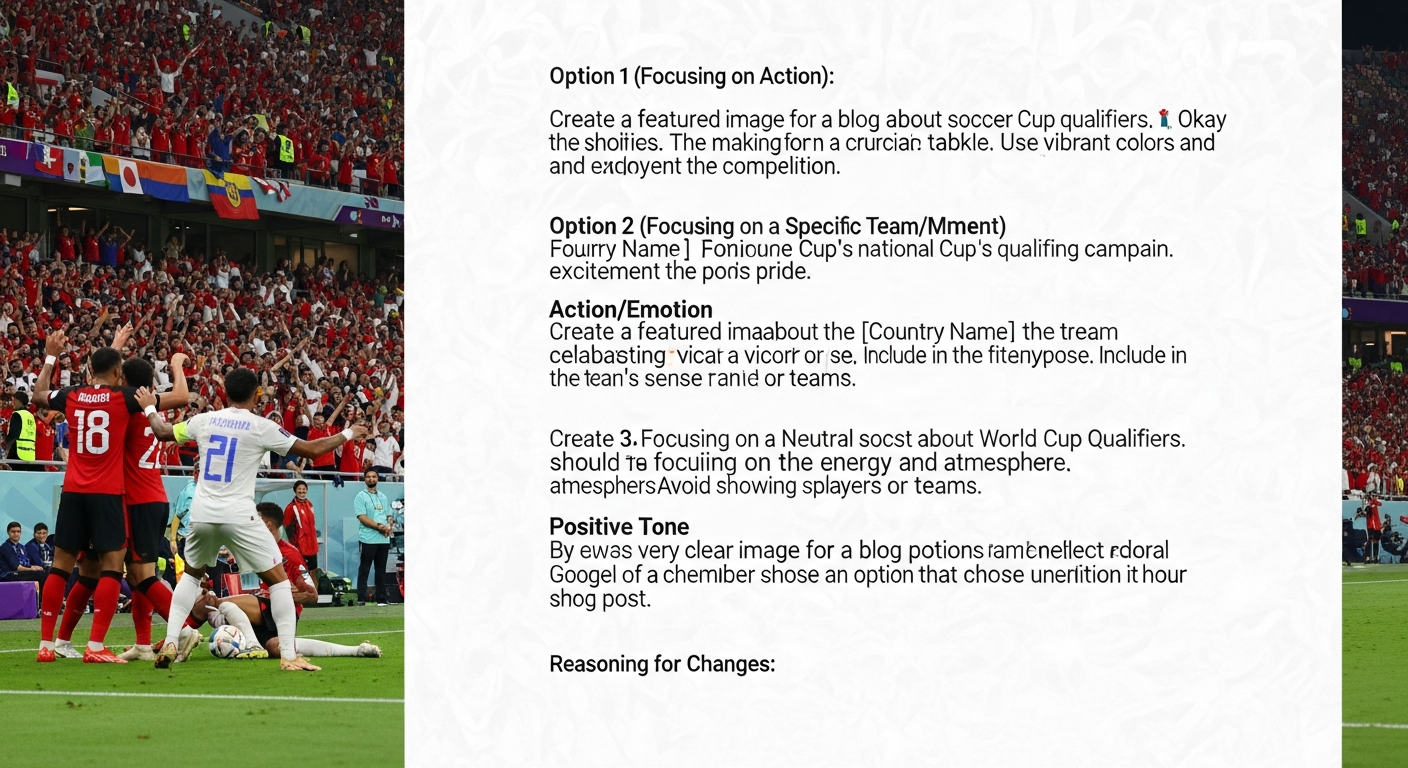
Introduction to the Thrilling World of WC Qualifiers
The wc qualifiers are a crucible of ambition, where national dreams are forged and shattered on the unforgiving pitch. The road to the World Cup is rarely smooth; it’s a gauntlet of tactical battles, unpredictable upsets, and nail-biting finishes. These matches offer a unique blend of seasoned veterans and rising stars, all vying for a coveted spot on the world’s biggest stage. From the established powerhouses to the underdogs looking to make history, the WC qualifiers present a captivating spectacle for soccer fans worldwide.
Understanding the intricacies of these qualifiers is key to appreciating the drama and potential for surprise. Factors like team form, home advantage, historical rivalries, and even weather conditions can significantly influence the outcome of a match. In this comprehensive guide, we’ll delve into the strategies, analyze past trends, and provide insights that will enhance your understanding of the wc qualifiers landscape.
Understanding the WC Qualifiers Structure
The structure of the wc qualifiers varies significantly across different confederations (UEFA, CONMEBOL, CAF, AFC, CONCACAF, OFC). Each confederation has its own format, number of qualifying spots, and allocation methods. Let’s break down the general structure for some of the major confederations:
UEFA (Europe)
UEFA typically uses a group stage format followed by a playoff round. Teams are drawn into groups, and they play each other in a home-and-away round-robin system. The group winners automatically qualify for the World Cup, while the runners-up may enter a playoff to determine the remaining European spots. The exact number of qualifying spots varies slightly depending on the FIFA Council’s decision.
CONMEBOL (South America)
CONMEBOL employs a single league format where all teams play each other twice, home and away. This grueling format often leads to intense competition and dramatic shifts in the standings. The top teams directly qualify for the World Cup, while the fifth-placed team may enter an inter-confederation playoff for a chance to secure a spot.
CAF (Africa)
CAF’s qualifying process often involves multiple rounds. The early rounds might include preliminary matches between lower-ranked nations. Subsequently, teams are drawn into groups, and the group winners advance to a final playoff round, where they face each other in a two-legged tie to determine the African representatives at the World Cup.
AFC (Asia)
The AFC qualifiers usually involve several stages. Teams initially compete in preliminary rounds to reduce the number of participants. The remaining teams are then drawn into groups, and the top teams from each group, along with the best runners-up, progress to the next round. Eventually, a final round determines the Asian teams that will qualify for the World Cup, with some teams potentially entering inter-confederation playoffs.
CONCACAF (North and Central America, and the Caribbean)
CONCACAF’s qualifying format has evolved in recent cycles. It generally involves multiple rounds, with lower-ranked teams starting in earlier rounds. The top teams from CONCACAF automatically qualify for the World Cup, while a team might also have a chance through the inter-confederation play-off.
Key Factors Influencing WC Qualifiers Results
Several factors contribute to the unpredictable nature of wc qualifiers. Analyzing these elements can provide valuable insights into predicting match outcomes and identifying potential upsets.
- Home Advantage: Playing at home with the support of a passionate crowd can significantly boost a team’s performance. Familiarity with the pitch, local climate, and reduced travel fatigue are all contributing factors.
- Team Form: The current form of a team, including recent results and performances, is a crucial indicator. A team riding a winning streak is likely to carry that momentum into the qualifiers.
- Key Player Availability: The absence of key players due to injury, suspension, or other reasons can significantly weaken a team’s chances. For example, if a team’s star striker is injured, their goal-scoring ability may be diminished.
- Tactical Approaches: Different teams employ different tactical strategies, and the clash of styles can often determine the outcome of a match. A defensively solid team may frustrate a high-scoring opponent.
- Historical Rivalries: Matches between traditional rivals often carry extra significance and intensity. The historical context and psychological factors can play a significant role.
- Weather Conditions: Extreme weather conditions, such as heat, humidity, or rain, can impact player performance and affect the flow of the game.
- Refereeing Decisions: Controversial refereeing decisions, such as penalties or red cards, can significantly alter the course of a match.
- Motivation and Pressure: The pressure of playing in wc qualifiers can affect players differently. Some thrive under pressure, while others may crumble. The motivation to qualify for the World Cup is a powerful driving force.
7 Shocking Upsets in WC Qualifiers History
The history of wc qualifiers is replete with shocking upsets that defied expectations and rewrote the narrative. These unexpected results highlight the unpredictable nature of the competition and the potential for underdogs to triumph over established giants.
- USA vs. England (1950 World Cup): While not technically a qualifier, this game showcased the ability of an underdog to upset a top team. The USA, a team of part-timers, defeated England, one of the tournament favorites, 1-0.
- Trinidad and Tobago vs. Bahrain (2006 World Cup): Trinidad and Tobago, a small Caribbean nation, defeated Bahrain in a two-legged playoff to qualify for their first and only World Cup. This victory was a monumental achievement for a country with a limited soccer infrastructure.
- Cape Verde vs. Cameroon (2013 Africa Cup of Nations Qualifier): While a qualifier for the Africa Cup of Nations, this match demonstrated the potential for upsets in African soccer. Cape Verde, a tiny island nation, defeated Cameroon, a four-time African champion, 2-0 in the first leg.
- New Zealand vs. Bahrain (2010 World Cup): New Zealand beat Bahrain 1-0 in the second leg of their inter-confederation play-off after a 0-0 draw in Bahrain, qualifying for the World Cup for the first time since 1982.
- Northern Ireland vs. Spain (1982 World Cup): Gerry Armstrong scored the only goal as Northern Ireland defeated Spain 1-0 in Valencia during the 1982 World Cup, defying expectations.
- Senegal vs. France (2002 World Cup): Another match that wasn’t strictly a qualifier, but Senegal’s 1-0 victory over reigning champions France in the opening game of the 2002 World Cup was a massive shock and set the tone for a memorable tournament for the African nation. It shows how a team can come out of relative obscurity and challenge the established order, even if they are ultimately in the wc qualifiers in future tournaments.
- Various David vs. Goliath Matchups: Throughout the history of wc qualifiers, there have been countless instances of smaller nations holding their own against soccer giants. While not always resulting in outright victories, these draws or narrow defeats highlight the growing competitiveness of the sport and the diminishing gap between established powers and emerging nations.
Analyzing Team Strategies in WC Qualifiers
Understanding the tactical approaches employed by different teams is crucial for analyzing wc qualifiers. Some teams prefer a defensive, counter-attacking style, while others favor a more attacking, possession-based approach. Let’s examine some common strategies:
Defensive Strategies
Defensive strategies focus on maintaining a compact defensive shape, limiting the opponent’s scoring opportunities, and exploiting counter-attacks. These strategies are often employed by teams with weaker squads or when playing away from home. Key elements of defensive strategies include:
- Low Block: Defending deep in their own half, making it difficult for the opponent to penetrate their defensive lines.
- Counter-Attacking: Quickly transitioning from defense to attack, exploiting the opponent’s defensive vulnerabilities.
- Set-Piece Proficiency: Utilizing set-pieces (free kicks, corners) as a scoring opportunity.
- Disciplined Defending: Maintaining focus and avoiding unnecessary fouls or errors in their own half.
Attacking Strategies
Attacking strategies emphasize possession, creating scoring chances, and pressing the opponent high up the pitch. These strategies are often employed by teams with stronger squads or when playing at home. Key elements of attacking strategies include:
- Possession-Based Football: Controlling the ball and dictating the tempo of the game.
- High Pressing: Pressuring the opponent in their own half to win back possession.
- Creative Playmakers: Relying on creative midfielders to unlock the opponent’s defense.
- Clinical Finishing: Converting scoring opportunities with precision and efficiency.
Hybrid Strategies
Many teams employ a hybrid strategy that combines elements of both defensive and attacking approaches. These strategies are adaptable and allow teams to adjust their tactics based on the opponent and the game situation. Key elements of hybrid strategies include:
- Flexibility: Shifting between defensive and attacking formations depending on the game state.
- Adaptability: Adjusting tactics based on the opponent’s strengths and weaknesses.
- Balance: Maintaining a balance between defensive solidity and attacking threat.
- Strategic Substitutions: Using substitutions to change the dynamic of the game.
The Role of Home Advantage in WC Qualifiers
Home advantage is a significant factor in wc qualifiers. Playing in front of a passionate home crowd can provide a substantial boost to a team’s performance. Studies have shown that teams playing at home tend to win more often and score more goals. Several factors contribute to this phenomenon:
- Crowd Support: The energy and encouragement from the home crowd can inspire players and create a hostile atmosphere for the visiting team.
- Familiarity: Players are more familiar with the pitch, climate, and local conditions, giving them a slight advantage.
- Reduced Travel Fatigue: Home teams avoid the fatigue and disruption associated with long-distance travel.
- Referee Bias: Some studies suggest that referees may be subtly influenced by the home crowd, leading to more favorable decisions for the home team.
- Psychological Factors: Playing at home can boost player confidence and create a sense of invincibility.
However, home advantage is not always a guarantee of success. Strong teams can often overcome the challenges of playing away from home, and underdogs may struggle to capitalize on their home advantage against superior opponents. The importance of home advantage also varies depending on the specific circumstances of the match.
Predicting WC Qualifiers: A Data-Driven Approach
Predicting the outcome of wc qualifiers is a challenging but rewarding endeavor. While upsets are always possible, a data-driven approach can significantly improve your chances of making accurate predictions. This involves analyzing various statistical factors, including:
- Team Form: Analyzing recent results, goal-scoring records, and defensive performances.
- Head-to-Head Records: Examining the historical results between the two teams.
- Player Statistics: Evaluating the performances of key players, including goals, assists, and tackles.
- Expected Goals (xG): Using xG data to assess the quality of scoring chances created and conceded by each team. You can find valuable xG data at resources like Understat.
- Team News: Monitoring injury reports, suspensions, and potential team changes.
- Weather Forecast: Considering the potential impact of weather conditions on the match.
- Historical Data: Referencing past qualifier performances to gauge patterns.
By combining these statistical insights with an understanding of the tactical approaches and psychological factors involved, you can develop a more informed and accurate prediction model.
The Impact of FIFA Rankings on WC Qualifiers
The FIFA World Ranking is a system that ranks national soccer teams based on their performance. While the rankings are not a perfect predictor of match outcomes, they can provide a general indication of a team’s relative strength. Teams with higher FIFA rankings are generally considered to be stronger and more likely to win their wc qualifiers.
However, it’s important to note that the FIFA rankings are not always accurate. The rankings are based on a complex algorithm that takes into account various factors, including match results, importance of the match, and strength of the opponent. However, the algorithm can be influenced by factors such as:
- Inconsistent Scheduling: Some teams play more matches than others, giving them more opportunities to earn ranking points.
- Friendly Matches: The algorithm gives less weight to friendly matches, which can distort the rankings.
- Regional Differences: The strength of different regional confederations can vary, making it difficult to compare teams from different continents.
Therefore, it’s essential to use the FIFA rankings as just one piece of the puzzle when analyzing wc qualifiers. Consider other factors such as team form, player availability, and tactical approaches to get a more complete picture.
Emerging Trends in WC Qualifiers
The world of soccer is constantly evolving, and wc qualifiers are no exception. Several emerging trends are shaping the landscape of the competition:
- Increased Competitiveness: The gap between established powers and emerging nations is narrowing, leading to more competitive matches and potential upsets.
- Tactical Innovation: Teams are increasingly adopting sophisticated tactical approaches, making games more strategic and unpredictable.
- Data Analytics: The use of data analytics is becoming more prevalent, helping teams to identify strengths and weaknesses and optimize their performance.
- Global Talent Pool: The globalization of soccer has led to a more diverse talent pool, with players from all over the world competing in the top leagues and representing their national teams.
- Increased Media Coverage: The growing popularity of soccer has led to increased media coverage of wc qualifiers, making it easier for fans to follow the action.
These trends are making the wc qualifiers more exciting and unpredictable than ever before. Staying informed about these developments is crucial for understanding the dynamics of the competition.
The Psychological Warfare in WC Qualifiers
Beyond the physical and tactical aspects, psychological warfare plays a significant role in wc qualifiers. Teams often engage in mind games to gain a mental edge over their opponents. This can involve:
- Trash Talking: Players or coaches may make provocative statements to unsettle their opponents.
- Intimidation: Teams may try to intimidate their opponents through physical play or aggressive behavior.
- Mind Games: Coaches may use psychological tactics to influence the referee or create doubt in the opponent’s minds.
- Playing on Expectations: Undermining or amplifying expectations to influence pressure on either side.
The psychological aspect of the game can be particularly important in high-stakes matches, where the pressure to perform is immense. Teams that can effectively manage their emotions and maintain their composure are more likely to succeed.
Building a Winning Strategy for Predicting WC Qualifiers
To enhance your predictions for the wc qualifiers, consider this comprehensive strategy:
- Gather Data: Collect as much relevant data as possible, including team form, head-to-head records, player statistics, and expected goals (xG).
- Analyze Tactical Approaches: Identify the tactical strategies employed by each team and how they are likely to match up against each other.
- Assess Home Advantage: Evaluate the potential impact of home advantage, considering factors such as crowd support, familiarity, and reduced travel fatigue.
- Consider Player Availability: Monitor injury reports, suspensions, and potential team changes.
- Evaluate FIFA Rankings: Use the FIFA rankings as a general indicator of team strength, but don’t rely on them exclusively.
- Stay Informed: Keep up to date with emerging trends, news, and developments in the world of soccer.
- Factor in Psychological Elements: Look for clues about team morale, pressure, and potential mind games.
- Use a Prediction Model: Develop a prediction model that combines all of these factors to generate a probability of each outcome. You can find information on different soccer prediction models on websites like Football-Data.co.uk.
- Manage Your Risk: Be aware of the inherent uncertainty in soccer predictions and manage your risk accordingly.
The Future of WC Qualifiers
The future of wc qualifiers is likely to be shaped by several factors, including:
- Expansion of the World Cup: The expansion of the World Cup to 48 teams will likely lead to changes in the qualifying format and an increase in the number of qualifying spots for some confederations.
- Technological Advancements: Technological advancements, such as VAR (Video Assistant Referee) and improved data analytics, will continue to impact the game.
- Growing Global Interest: The growing global interest in soccer will lead to increased media coverage and commercial opportunities.
- Emphasis on Youth Development: A greater emphasis on youth development will lead to the emergence of new talent and a more competitive landscape.
These changes will continue to make the wc qualifiers a dynamic and exciting competition for years to come.
Resources for Following WC Qualifiers
To stay up-to-date with the latest news, scores, and analysis of the wc qualifiers, here are some valuable resources:
- FIFA Official Website: The official website of FIFA provides comprehensive information about the World Cup and the qualifying process. FIFA.com
- ESPN: ESPN offers extensive coverage of soccer, including live scores, news, and analysis of wc qualifiers. ESPN Soccer
- BBC Sport: BBC Sport provides in-depth coverage of soccer, with a focus on European and international competitions. BBC Sport Football
- Sky Sports: Sky Sports offers live coverage of many wc qualifiers, as well as news and analysis. Sky Sports Football
- Soccerway: Soccerway provides live scores, results, and statistics for soccer matches around the world. Soccerway
- Livescore: A real-time score updates resource, especially helpful during live games. Livescore
Conclusion
The wc qualifiers are a captivating blend of skill, strategy, and drama. By understanding the structure, analyzing the key factors influencing results, and staying informed about emerging trends, you can gain a deeper appreciation for the competition and improve your chances of making accurate predictions. The journey to the World Cup is a long and arduous one, but it’s a journey filled with excitement, passion, and the potential for unforgettable moments. Remember to explore internal links in our content for ‘wc qualifiers’ to further refine your understanding of the topic.
Get Expert Soccer Predictions!
Want to take your soccer predictions to the next level? Subscribe to our premium service for the best insights and analysis. We provide in-depth previews, expert picks, and data-driven predictions for the English Premier League and other top soccer leagues.
Don’t miss out on the opportunity to improve your success rate and maximize your winnings. Click the link below to subscribe now!
















Comments 1