

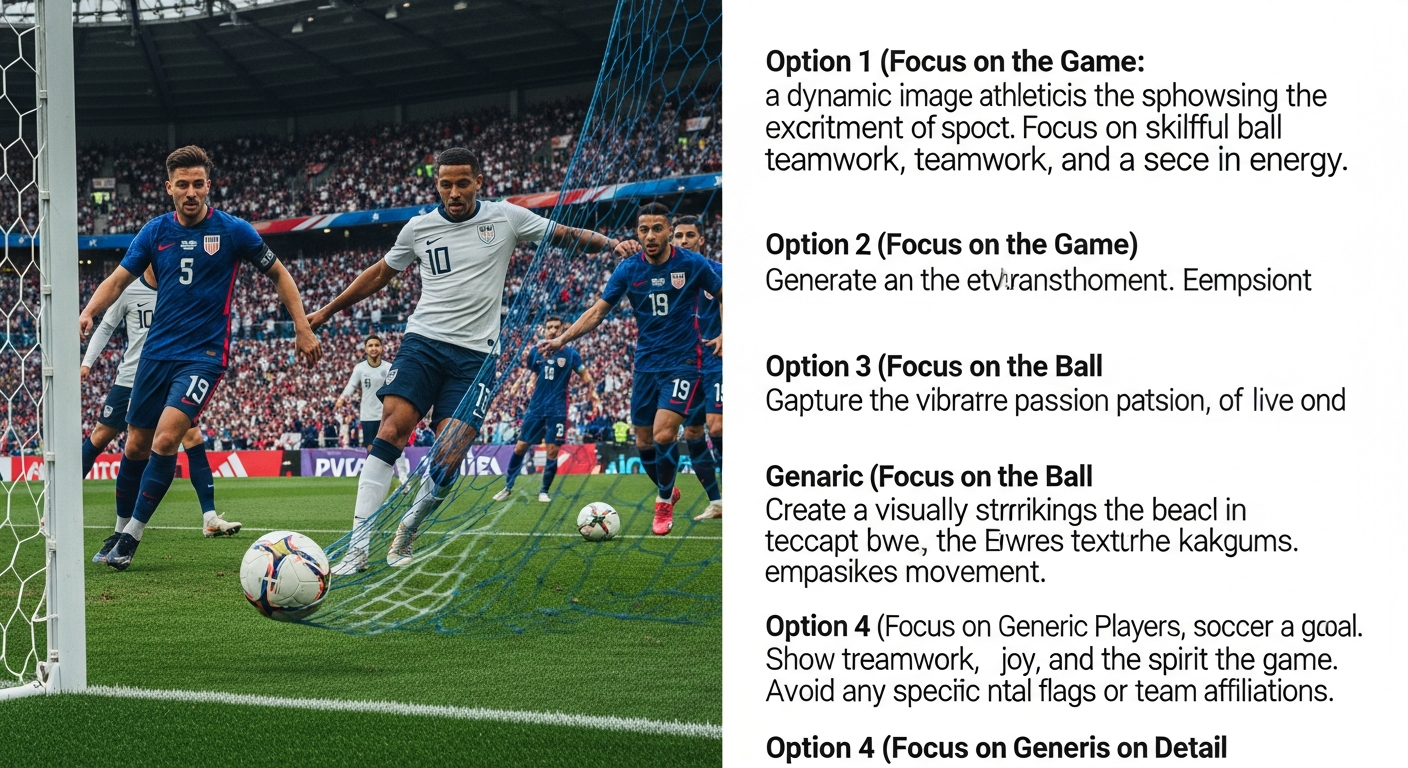
USA soccer football, also known as association football in many parts of the world, is a rapidly growing sport in the United States. While it may not have the same historical dominance as American football, baseball, or basketball, its popularity is steadily increasing, especially among younger generations. This blog post aims to delve into various aspects of USA soccer football, exploring its history, current state, future prospects, and some surprising facts that you might not know.
A Brief History of Soccer in the USA
The origins of soccer in the United States can be traced back to the late 19th century, with early leagues and amateur clubs forming in the northeast. The American Football Association (AFA), founded in 1884, was one of the earliest attempts to standardize the sport. However, these early efforts lacked a national structure and struggled to gain widespread traction.
The establishment of the United States Soccer Federation (USSF) in 1913, then known as the United States Football Association, marked a significant step forward. The USSF joined FIFA, the international governing body for soccer, and began organizing national competitions. The US men’s national team participated in the 1930 FIFA World Cup, achieving a surprising third-place finish, a feat that remains one of the team’s best performances in the tournament.
The NASL Era and Its Impact
The North American Soccer League (NASL), founded in 1968, represented a bold attempt to popularize professional soccer in the United States and Canada. The league attracted several high-profile international players, including Pelé, Franz Beckenbauer, and Johan Cruyff. These stars brought attention and credibility to the NASL, leading to increased attendance and media coverage. However, the league’s financial model proved unsustainable, and it folded in 1984.
Despite its relatively short lifespan, the NASL played a crucial role in laying the groundwork for future professional soccer leagues in the USA. It demonstrated the potential for soccer to attract fans and corporate sponsors, and it helped to develop a generation of American players and coaches.
The Rise of Major League Soccer (MLS)
Following the demise of the NASL, soccer in the United States experienced a period of decline. However, the awarding of the 1994 FIFA World Cup to the USA provided a much-needed boost. As part of its bid, the USSF committed to establishing a professional soccer league. This led to the creation of Major League Soccer (MLS), which began play in 1996.
MLS initially faced challenges in attracting fans and sponsors, but it gradually gained momentum through strategic investments, improved marketing, and the development of soccer-specific stadiums. The league also benefited from the growing popularity of soccer among youth players, fueled by the success of the US national teams.
Key Factors Contributing to MLS Success
Several factors have contributed to the growth and success of MLS:
- Strategic Investments: MLS has invested heavily in player development, infrastructure, and marketing.
- Soccer-Specific Stadiums: The construction of soccer-specific stadiums has created a more intimate and fan-friendly atmosphere.
- Designated Player Rule (DP Rule): Also known as the “Beckham Rule,” this allows teams to sign a limited number of players whose salaries exceed the league’s salary cap, attracting international stars like David Beckham, Thierry Henry, and Zlatan Ibrahimović.
- Youth Development: MLS academies have played a crucial role in developing young American players who have gone on to play for the national team and in top European leagues.
- Growing Popularity of Soccer: The increasing popularity of soccer among young people and diverse communities has expanded the league’s fan base.
The US National Teams: A Source of Pride
The US men’s and women’s national teams have played a vital role in promoting soccer in the United States. The US women’s national team (USWNT) has been particularly successful, winning four FIFA Women’s World Cup titles and four Olympic gold medals. Their dominance on the international stage has inspired millions of young girls to take up the sport.
The US men’s national team (USMNT) has also achieved notable successes, including reaching the quarterfinals of the 2002 FIFA World Cup and winning several CONCACAF Gold Cups. While the team has faced challenges in recent years, it remains a source of national pride and a key driver of soccer’s popularity in the USA.
The Impact of the USWNT
The USWNT‘s success has had a profound impact on women’s sports in the United States. The team’s players have become role models for young athletes, and their advocacy for equal pay and gender equality has sparked important conversations about women’s rights. Their achievements have also helped to raise the profile of women’s soccer globally.
For more information on the USWNT, you can visit the official website of the US Soccer Federation.
The Growing Popularity of Soccer Among Youth
One of the most significant factors driving the growth of soccer in the United States is its popularity among young people. Soccer is often the first sport that children play, and it offers numerous benefits, including physical fitness, teamwork, and social interaction. The accessibility of the sport, requiring minimal equipment, also contributes to its appeal.
The rise of youth soccer leagues and academies has created a pathway for talented players to develop their skills and pursue professional careers. Many MLS teams operate youth academies that provide training and opportunities for young players to compete at a high level. This investment in youth development is helping to produce a new generation of American soccer stars.
The Role of Youth Soccer Organizations
Organizations like US Youth Soccer play a crucial role in promoting and developing soccer at the grassroots level. These organizations provide resources, training, and competitions for young players of all ages and skill levels. They also work to ensure that soccer is accessible to children from diverse backgrounds.
You can learn more about youth soccer programs and initiatives at the US Youth Soccer website.
The Future of Soccer in the USA
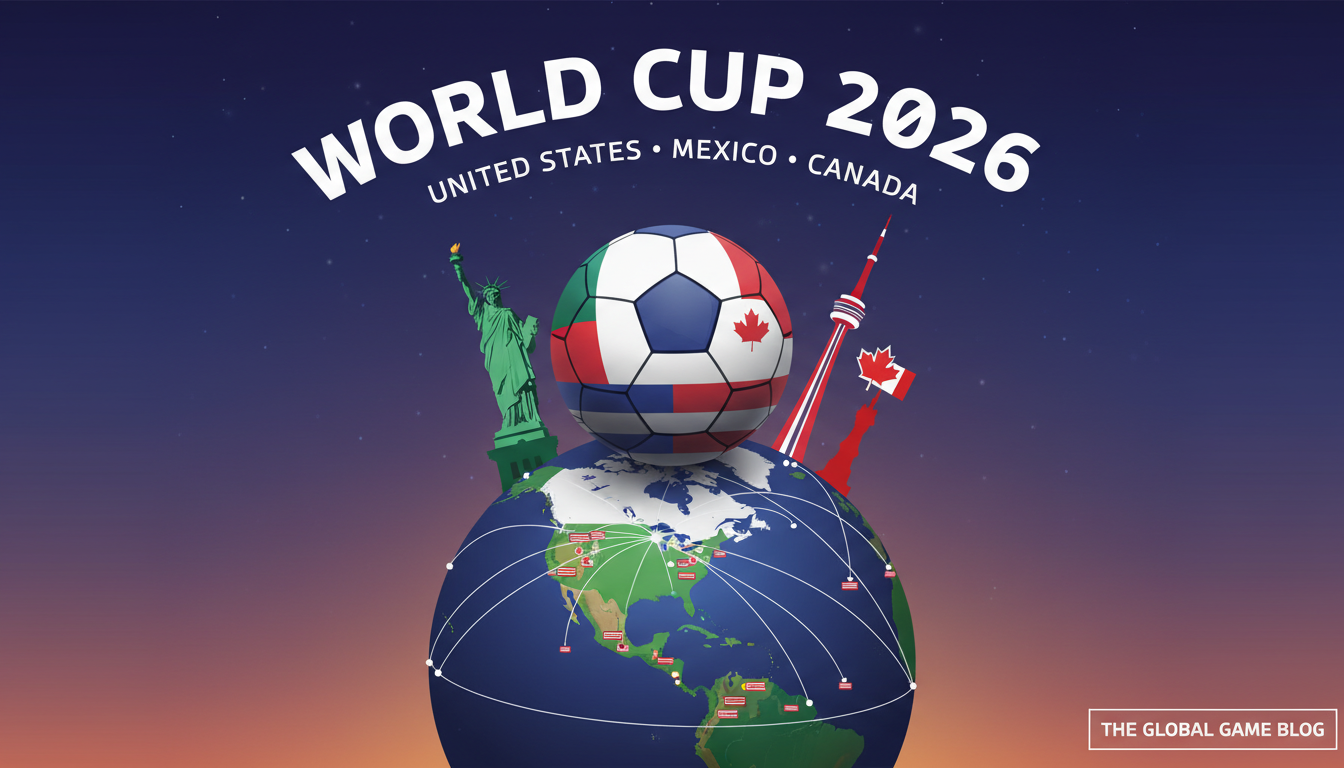
The future of soccer in the United States looks bright. With a growing fan base, increasing investment in player development, and the prospect of hosting the 2026 FIFA World Cup along with Canada and Mexico, soccer is poised for continued growth and success. The 2026 World Cup is expected to be a major catalyst, bringing unprecedented attention and investment to the sport in the USA.
MLS is also expanding, with new teams joining the league and plans for further expansion in the coming years. The league is attracting more international talent and improving the quality of play, making it a more attractive destination for fans and players alike.
The 2026 FIFA World Cup: A Game Changer
The 2026 FIFA World Cup, which will be co-hosted by the USA, Canada, and Mexico, represents a significant opportunity for soccer in the United States. The tournament is expected to generate billions of dollars in economic activity and create a lasting legacy for the sport.
The World Cup will also provide a platform to showcase American soccer to a global audience. It will inspire young players, attract new fans, and further solidify soccer’s place in the American sports landscape.
7 Shocking Facts About USA Soccer Football
Here are seven surprising facts about usa soccer football that you might not know:
- The USMNT beat England in the 1950 World Cup: In one of the biggest upsets in World Cup history, the USA defeated England 1-0 in the 1950 tournament in Brazil. England were considered one of the favorites to win the competition.
- The USWNT has won more World Cups than any other nation: The USWNT has won four FIFA Women’s World Cup titles (1991, 1999, 2015, and 2019), more than any other country.
- The oldest continuously operating soccer club in the US is from 1884: Founded in 1884, Fall River Rovers are still in operation today, a feat that speaks to the long history of the sport in America.
- Clint Dempsey is one of the USMNT‘s all-time leading goalscorers: Clint Dempsey, along with Landon Donovan, is the USMNT‘s all-time leading goalscorer with 57 goals.
- The average MLS player salary is increasing: The average MLS player salary has been steadily increasing in recent years, reflecting the league’s growing investment in talent.
- Several MLS teams have strong rivalries: MLS features several intense rivalries, such as the Cascadia Cup between the Seattle Sounders FC, Portland Timbers, and Vancouver Whitecaps FC, and the Hudson River Derby between New York City FC and the New York Red Bulls.
- The US has a vibrant amateur soccer scene: Beyond MLS, there is a thriving amateur soccer scene in the United States, with numerous leagues and clubs providing opportunities for players of all ages and skill levels to compete.
For up-to-date information on American soccer, consider following reputable sports news outlets such as ESPN Soccer.
The Unique Appeal of Soccer in the USA
Despite facing competition from more established sports, soccer has carved out a unique niche in the American sports landscape. Its global appeal, diverse fan base, and growing youth participation have contributed to its success.
Soccer’s emphasis on teamwork, skill, and strategy resonates with many fans, and its fast-paced, unpredictable nature provides plenty of excitement. The sport’s accessibility and relatively low cost also make it an attractive option for families and individuals looking for a fun and healthy activity.
Comparing Soccer to Other American Sports
While soccer shares some similarities with other American sports, it also has its own distinct characteristics. Unlike American football, which relies heavily on set plays and specialized roles, soccer emphasizes continuous play and fluid movement. Compared to baseball, which can be slow-paced and statistically driven, soccer offers a more dynamic and unpredictable viewing experience. And unlike basketball, which is dominated by individual stars, soccer places a greater emphasis on teamwork and collective effort.
These differences contribute to soccer’s unique appeal and help to attract fans who may not be drawn to other American sports. Furthermore, the increased globalization of sports has made it easier for fans in the USA to follow and support their favorite international teams and players, fostering a deeper connection to the global soccer community.
The Importance of Local Soccer Communities
Beyond the professional leagues and national teams, local soccer communities play a vital role in promoting and developing the sport in the United States. These communities consist of amateur clubs, youth leagues, adult recreational leagues, and local supporters’ groups.
Local soccer communities provide opportunities for people of all ages and skill levels to participate in the sport, whether as players, coaches, referees, or fans. They also foster a sense of community and belonging, bringing people together around their shared love of soccer.
Supporting Local Soccer Clubs and Organizations
Supporting local soccer clubs and organizations is a great way to contribute to the growth of the sport in your community. You can volunteer your time, donate to local programs, or simply attend local games and show your support. By investing in local soccer, you can help to ensure that future generations have access to the sport and the opportunity to develop their skills and pursue their dreams.
Find local soccer organizations near you by searching online for “youth soccer clubs near me” or “adult soccer leagues near me.”
The Role of Media and Broadcasting
Media coverage and broadcasting play a crucial role in promoting soccer and attracting fans in the United States. Television networks, streaming services, and online platforms provide access to live games, highlights, and analysis, helping to build awareness and generate interest in the sport.
In recent years, there has been a significant increase in the availability of soccer content in the USA. Major networks like ESPN, Fox Sports, and Univision broadcast MLS games, European leagues, and international tournaments. Streaming services like Paramount+ and Peacock offer exclusive coverage of various soccer competitions.
The Impact of Streaming Services
Streaming services have revolutionized the way that fans consume soccer content. They provide access to a wider range of games and events, often at a lower cost than traditional cable or satellite packages. Streaming services also offer features like on-demand viewing, multiple camera angles, and interactive commentary, enhancing the viewing experience.
The growth of streaming services has made it easier for fans to follow their favorite teams and players, regardless of their location. This has contributed to the increasing popularity of soccer in the United States and around the world.
Analyzing USA Soccer Football Performance
Analyzing the performance of usa soccer football teams, both the national teams and MLS clubs, requires a multifaceted approach. Key metrics include goals scored, goals conceded, possession percentages, passing accuracy, and defensive statistics. However, understanding the tactical approaches, player formations, and coaching strategies is equally important.
Advanced analytics, such as expected goals (xG) and expected assists (xA), are increasingly used to evaluate player and team performance beyond traditional statistics. These metrics provide a more nuanced understanding of attacking efficiency and defensive solidity.
The Importance of Tactical Analysis
Tactical analysis involves breaking down game footage to identify patterns, strengths, and weaknesses in a team’s performance. It can reveal how well a team executes its game plan, how effectively it adapts to different opponents, and how efficiently it utilizes its resources.
Tactical analysis is used by coaches, scouts, and analysts to gain insights into team and player performance. It can help to identify areas for improvement, develop new strategies, and make informed decisions about player selection and game tactics.
The Socio-Economic Impact of Soccer in the USA
Soccer has a significant socio-economic impact in the United States, particularly in urban areas and immigrant communities. The sport provides opportunities for social interaction, physical activity, and community engagement.
Soccer can also be a pathway to higher education and professional careers. Many young players earn scholarships to colleges and universities based on their soccer skills. Some go on to play professionally in MLS or in European leagues, earning significant salaries and endorsements.
Promoting Diversity and Inclusion
Soccer is a sport that transcends cultural and linguistic barriers, making it a powerful tool for promoting diversity and inclusion. In many communities, soccer is a common ground where people from different backgrounds can come together and connect.
Soccer organizations and clubs often implement programs and initiatives to promote diversity and inclusion, ensuring that everyone has the opportunity to participate in the sport, regardless of their race, ethnicity, gender, or socioeconomic status.
Call to Action: Get Expert Soccer Predictions!
Are you passionate about soccer and want to take your knowledge to the next level? Subscribe to our newsletter for the best soccer predictions and analysis, delivered straight to your inbox!
Don’t miss out on the latest insights and tips to help you make informed decisions and potentially win big. Sign up today and join our community of soccer enthusiasts!
Conclusion: The Enduring Appeal of USA Soccer Football
USA soccer football has come a long way since its humble beginnings in the late 19th century. From the early amateur leagues to the rise of MLS and the success of the national teams, soccer has established itself as a major force in the American sports landscape.
With a growing fan base, increasing investment in player development, and the prospect of hosting the 2026 FIFA World Cup, the future of soccer in the United States looks brighter than ever. Whether you’re a seasoned fan or a newcomer to the sport, there’s never been a better time to get involved and experience the excitement of USA soccer football.
















Comments 1