

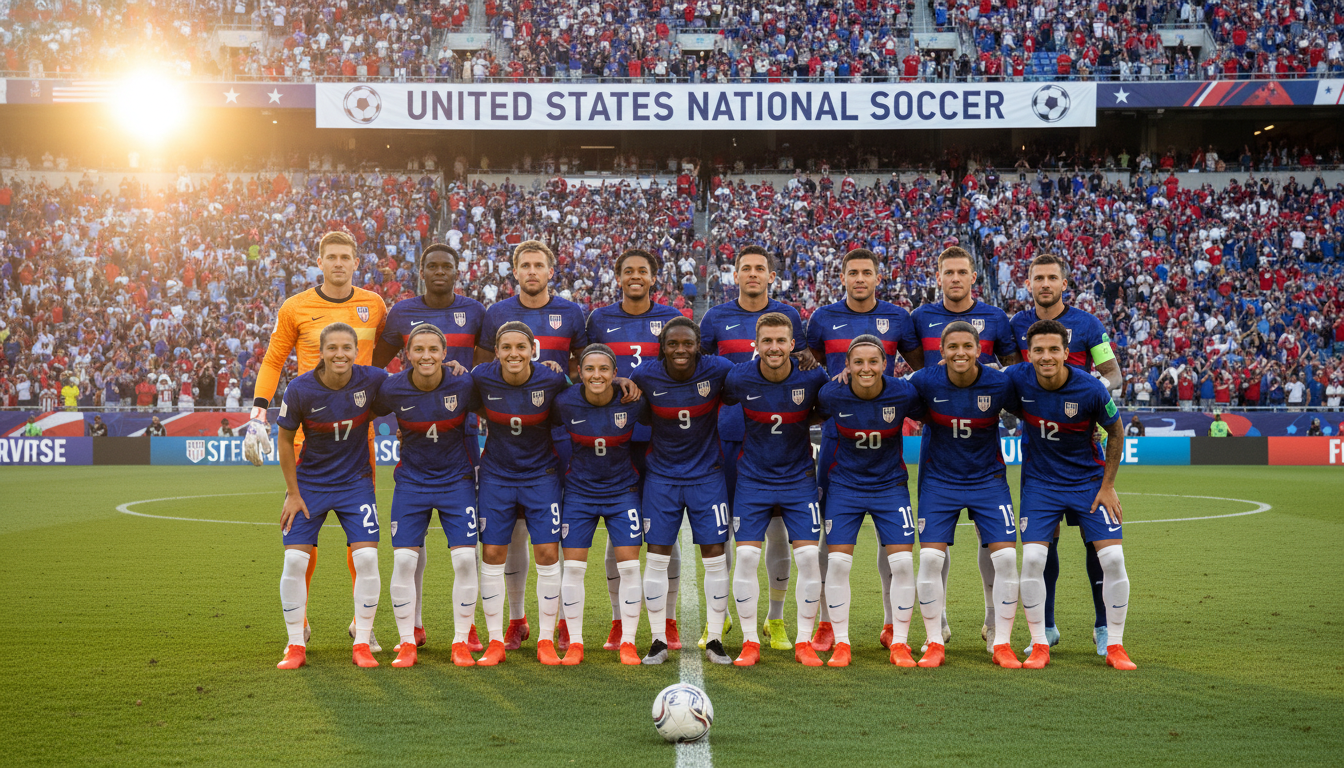
United States National Soccer has captivated fans for decades. From nail-biting World Cup appearances to exhilarating Gold Cup victories, the team holds a special place in the hearts of American soccer enthusiasts. However, beneath the surface of cheering crowds and triumphant moments lie challenges that demand attention. This post delves into seven critical problems hindering the growth and success of the USMNT, exploring everything from youth development strategies to tactical approaches and cultural perceptions.
1. The Persistent Issue of Youth Development
One of the most frequently discussed issues surrounding United States National Soccer is the effectiveness of its youth development system. While significant strides have been made, the gap between the US and leading soccer nations remains substantial. The ‘pay-to-play’ model, prevalent in many youth clubs, often creates barriers for talented players from lower socioeconomic backgrounds. This system, while not inherently negative, can unintentionally limit the pool of potential future stars.
Furthermore, the quality of coaching at the youth level varies significantly. While there are numerous dedicated and highly skilled coaches, inconsistencies in training methodologies and tactical approaches can hinder the development of young players. A more standardized and comprehensive coaching education program could address this disparity.
Organizations like the US Youth Soccer have implemented initiatives to address these challenges. However, sustained effort and a significant shift in the overall philosophy are needed to truly unlock the potential of American youth soccer.
Addressing the Pay-to-Play Problem
The ‘pay-to-play’ system directly impacts accessibility. Talented players unable to afford the high fees associated with elite clubs often miss out on crucial development opportunities. Solutions include increased scholarship availability, community-based programs with reduced fees, and greater investment in public soccer facilities. Organizations like AYSO offer affordable alternatives, but expanding these programs and enhancing their quality is crucial.
Improving Coaching Standards
Raising the bar for coaching education is paramount. Implementing mandatory licensing requirements and providing ongoing professional development opportunities for coaches can significantly improve the quality of training young players receive. Initiatives like the U.S. Soccer Coaching Education program are a step in the right direction, but wider adoption and more rigorous standards are needed.
2. Tactical Deficiencies and In-Game Adaptability of United States National Soccer
Tactical flexibility and in-game adaptability are crucial components of successful soccer teams. However, United States National Soccer has sometimes struggled in these areas. A tendency to rely on a rigid tactical approach, without effectively adjusting to the opponent’s strengths and weaknesses, has proven costly in crucial matches. This inflexibility can be especially apparent when facing teams with superior technical ability or tactical sophistication.
Developing a more nuanced understanding of different tactical systems and equipping players with the ability to seamlessly transition between formations is essential. This requires both improved coaching at the national team level and a greater emphasis on tactical education throughout the player development pathway.
The Importance of a Clear Tactical Identity
While tactical flexibility is important, having a clear tactical identity is equally crucial. A defined playing style, understood and embraced by all players, provides a foundation for success. The USMNT needs to establish a distinct tactical philosophy that reflects the strengths of its players and allows them to compete effectively against diverse opponents.
Cultivating In-Game Decision-Making
Training players to make smart decisions under pressure during matches is vital. This requires simulating game-like scenarios in training, emphasizing tactical awareness, and empowering players to take ownership of their roles within the team. Giving players the freedom to express their creativity and adapt to changing circumstances on the field is key to unlocking their full potential.
3. The Lack of Consistent World-Class Strikers of United States National Soccer
Scoring goals is the ultimate objective in soccer, and the United States National Soccer has often struggled to find a consistent source of goals from a true world-class striker. While there have been periods of success with individual players, the lack of a reliable goal-scoring threat has hampered the team’s ability to compete at the highest level.
Developing a pipeline of talented strikers requires a multifaceted approach. This includes specialized training programs focused on finishing techniques, tactical awareness in the attacking third, and mental toughness under pressure. Furthermore, scouting and recruiting players with natural goal-scoring instincts is essential.
Focusing on Finishing Techniques
Improving finishing techniques is crucial. Specialized training drills that focus on accuracy, power, and composure in front of goal can significantly enhance a striker’s effectiveness. Analyzing the techniques of world-class strikers and incorporating those principles into training programs is essential.
Developing Attacking Awareness
Tactical awareness in the attacking third is just as important as technical skill. Strikers need to understand how to make intelligent runs, create space for themselves and their teammates, and anticipate opportunities to score. This requires a deep understanding of tactical concepts and the ability to read the game effectively.
4. The Mental Game and Overcoming Pressure with United States National Soccer
The mental aspect of soccer is often overlooked, but it plays a crucial role in determining success. United States National Soccer has, at times, appeared to struggle with the mental pressures of high-stakes matches. Overcoming this challenge requires developing mental toughness, resilience, and the ability to perform under pressure.
Incorporating mental skills training into the team’s preparation is essential. This includes techniques such as visualization, mindfulness, and positive self-talk. Furthermore, creating a supportive and positive team environment can help players build confidence and cope with the stresses of competition.
Implementing Mental Skills Training
Working with sports psychologists to develop customized mental skills training programs can be highly beneficial. These programs can help players develop techniques for managing anxiety, focusing their attention, and maintaining a positive attitude even in the face of adversity.
Building a Supportive Team Environment
A positive and supportive team environment is crucial for fostering mental resilience. Creating a culture of trust, respect, and open communication can help players feel comfortable sharing their concerns and supporting one another through challenging times.
5. Navigating the Shifting Landscape of International Soccer
International soccer is constantly evolving, with new strategies, tactics, and technologies emerging all the time. United States National Soccer needs to stay ahead of the curve by constantly adapting and innovating. This requires a commitment to continuous learning, embracing new ideas, and staying informed about the latest trends in the sport.
Investing in data analytics and scouting networks can provide valuable insights into the strengths and weaknesses of opponents. Furthermore, encouraging experimentation and innovation in training methods can help the team develop new and effective strategies.
Leveraging Data Analytics
Data analytics can provide valuable insights into player performance, opponent tendencies, and overall team effectiveness. Utilizing these insights to inform tactical decisions and training strategies can give the USMNT a competitive edge. Resources like Stats Perform provide comprehensive data and analytics solutions.
Embracing Innovation in Training
Experimenting with new training methods and technologies can help the team develop innovative strategies and improve player performance. This includes exploring new approaches to fitness training, tactical preparation, and player development. Staying open to new ideas and embracing a culture of continuous improvement is essential.
6. Cultural Perceptions and National Identity of United States National Soccer
Soccer’s place within the broader American sporting landscape can sometimes present a challenge for United States National Soccer. While the sport’s popularity has grown significantly in recent years, it still lags behind American football, basketball, and baseball in terms of mainstream appeal. Changing cultural perceptions and fostering a stronger national identity around soccer is crucial for the sport’s long-term growth in the United States.
Promoting the sport at the grassroots level, showcasing the excitement and drama of international soccer, and highlighting the achievements of American players can help to increase its visibility and appeal to a wider audience. The MLS is growing in popularity and helping to grow the game.
Promoting Grassroots Soccer
Investing in grassroots soccer programs and making the sport more accessible to children from all backgrounds is essential for fostering a lifelong love of the game. Creating opportunities for young people to play soccer in their communities can help to build a stronger foundation for the sport’s future.
Showcasing American Talent
Highlighting the achievements of American players, both domestically and abroad, can help to build a stronger national identity around soccer. Promoting their stories and showcasing their talent can inspire young players and attract new fans to the sport.
7. Integrating MLS and the National Team
The relationship between Major League Soccer (MLS) and the United States National Soccer is critical. A strong and thriving MLS benefits the national team by providing a platform for American players to develop and compete at a high level. Conversely, the success of the national team can boost the profile and popularity of MLS.
Promoting collaboration between MLS clubs and the national team coaching staff can help to ensure that players are being developed in a way that aligns with the national team’s tactical philosophy. Furthermore, encouraging MLS clubs to invest in youth academies can help to create a pipeline of talented players for both the league and the national team.
Fostering Collaboration
Regular communication and collaboration between MLS clubs and the national team coaching staff is essential for ensuring that players are being developed in a consistent and coordinated manner. This includes sharing best practices, providing feedback on player performance, and working together to identify and develop future national team players.
Investing in Youth Academies
Encouraging MLS clubs to invest in youth academies can help to create a pipeline of talented players for both the league and the national team. These academies provide young players with access to high-quality coaching, facilities, and competition, allowing them to develop their skills and reach their full potential. The MLS NEXT program is aimed at creating a higher standard of youth soccer.
Conclusion: A Path Forward for United States National Soccer
Addressing these seven problems is crucial for the long-term success of United States National Soccer. By investing in youth development, refining tactical approaches, cultivating world-class strikers, strengthening mental resilience, adapting to the evolving landscape of international soccer, changing cultural perceptions, and fostering collaboration between MLS and the national team, the USMNT can unlock its full potential and achieve sustained success on the world stage. The future of soccer in America is bright, but it requires dedication, innovation, and a collective commitment to excellence.
Get the Edge: Subscribe for Exclusive Soccer Predictions!
Want to stay ahead of the game and gain access to the best soccer predictions available? Subscribe to our premium service and receive daily picks for the English Premier League and other top leagues around the world. Our expert analysis and data-driven approach will give you the edge you need to make informed decisions and maximize your winnings.














Comments 1