

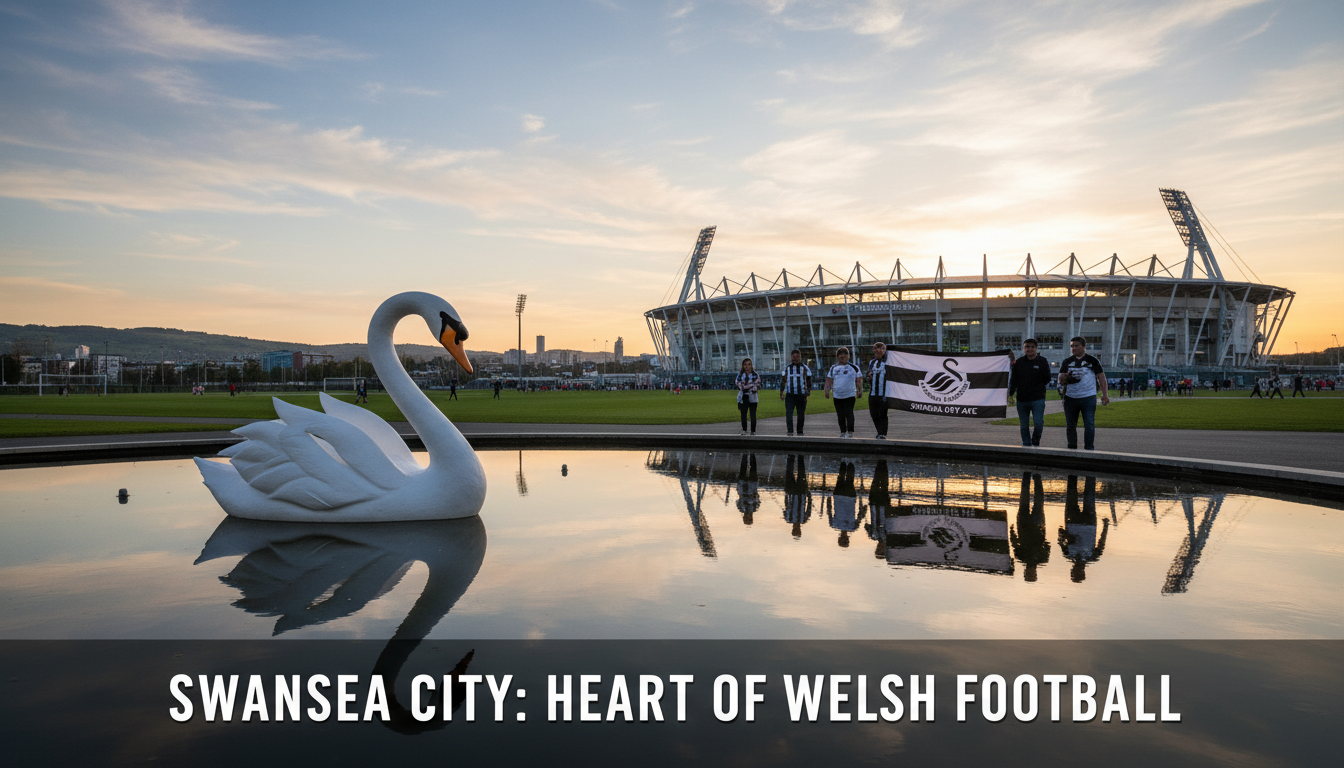
Swansea City, a name synonymous with Welsh football, boasts a rich and compelling history. From their humble beginnings to their unforgettable Premier League stint, the Swans have captivated fans worldwide. This blog post delves deep into the heart of Swansea, exploring hidden facts, analyzing their current situation, and offering some bold predictions for the future. Get ready for a journey that uncovers the lesser-known aspects of this iconic club.
The Genesis of the Swans: A Look Back
Founded in 1912 as Swansea Town, the club quickly established itself as a force within Welsh football. Their early years were marked by regional success before joining the Football League in 1921. It was in 1969 that they officially became known as Swansea City, solidifying their identity and marking a new chapter in their history.
Early success was followed by periods of struggle, a pattern familiar to many football clubs. However, the unwavering support of the Swansea faithful, known as the “Jack Army,” remained constant. This dedication played a crucial role in the club’s resurgence in the later years.
The Vetch Field, their home for almost a century, holds countless memories. While the Liberty Stadium (now the Swansea.com Stadium) offers modern facilities, the Vetch’s legacy remains an integral part of the club’s story. You can explore more about the history of the Vetch Field and its significance on the official Swansea City website.
Key Moments in Early History
- Joining the Football League in 1921.
- Winning the Welsh Cup multiple times.
- Laying the foundation for future success through dedicated local talent.
The Roberto Martínez Revolution: A New Dawn
The arrival of Roberto Martínez as manager in 2007 marked a turning point for Swansea City. His attractive, possession-based style of play, dubbed “Swansea Way,” revitalized the team and captured the imagination of fans and pundits alike. Martínez built a team that was not only successful but also a joy to watch.
His emphasis on passing, movement, and tactical flexibility laid the groundwork for future success. Martínez instilled a belief in his players, fostering a culture of ambition and innovation. His influence extended beyond the pitch, shaping the club’s identity and attracting a new wave of supporters.
This tactical approach, often compared to that of Barcelona at the time, helped Swansea City achieve promotion from League One to the Championship. It was a testament to Martínez’s vision and the players’ commitment to his philosophy. For more insights into Roberto Martinez’s managerial style, consider this analysis on Sky Sports.
The “Swansea Way” in Action
- Possession-based football.
- Emphasis on passing and movement.
- Tactical flexibility and adaptability.
Premier League Dreams: The Unforgettable Era
Under the guidance of Brendan Rodgers, Swansea City achieved the seemingly impossible: promotion to the Premier League in 2011. They became the first Welsh team to compete in the top flight of English football, a historic moment that resonated throughout the nation.
Their inaugural Premier League season was a resounding success. Playing with their trademark style, Swansea City defied expectations and established themselves as a competitive force. Victories over established teams, such as Arsenal and Liverpool, showcased their quality and resilience.
The appointment of Michael Laudrup in 2012 brought further success, culminating in a League Cup triumph in 2013. This victory secured Swansea City‘s place in the Europa League, marking another significant milestone in their history. To read more about their Premier League journey, check out the official Premier League website.
Key Moments in the Premier League
- Promotion to the Premier League in 2011.
- League Cup victory in 2013.
- Memorable victories against top teams.
The Decline and Rebuilding Phase
Following their League Cup triumph, Swansea City experienced a period of decline. Managerial changes and player departures disrupted the team’s stability, leading to their eventual relegation from the Premier League in 2018. This marked the end of an era and the beginning of a challenging rebuilding phase.
The Championship proved to be a difficult environment, with Swansea City struggling to regain their Premier League status. Despite flashes of brilliance, they consistently fell short of promotion, facing stiff competition from other ambitious clubs.
Financial constraints and managerial instability further hampered their progress. The club faced the challenge of balancing ambition with sustainability, navigating the complexities of the Championship landscape. Information about the Championship league standings can be found on the EFL official website.
Challenges Faced in the Championship
- Managerial instability.
- Financial constraints.
- Stiff competition from other clubs.
Current Squad Analysis: Strengths and Weaknesses
Analyzing the current Swansea City squad reveals a mix of experienced players and promising youngsters. Their strengths lie in their attacking prowess, with several players capable of scoring goals. However, defensive vulnerabilities and inconsistencies have plagued them in recent seasons.
The midfield requires strengthening, with a need for more creativity and steel. A consistent goalscorer would also be a valuable addition to the squad. Developing young talent and integrating them into the first team is crucial for long-term success.
The manager’s tactical approach and player selection play a vital role in maximizing the squad’s potential. A clear playing style and a strong team spirit are essential for achieving consistent results. Current team information can be found on Transfermarkt
Key Areas for Improvement
- Strengthening the defense.
- Adding creativity and steel to the midfield.
- Developing young talent.
7 Shocking Facts About Swansea City
Beyond the mainstream narrative, Swansea City holds some surprising secrets. Here are seven shocking facts that might surprise even the most ardent fans:
- Swansea City was originally formed as a team for the YMCA
- They once beat Hereford United 12-0 in 1928, their record victory
- The “Swansea Way” wasn’t actually invented by Roberto Martinez but was rooted in the club’s playing philosophy for decades.
- Before the Liberty Stadium, the Vetch Field had a greyhound track around the pitch.
- Jan Molby, Liverpool legend, had a brief and unsuccessful stint as Swansea City manager.
- Swansea City once had a player-manager who was also a qualified doctor.
- The club almost went out of business in the early 2000s, saved by fan ownership.
Bold Predictions for the Future of Swansea City
Predicting the future in football is always a risky business, but based on current trends and analysis, here are some bold predictions for Swansea City:
- Prediction 1: The club will prioritize youth development, producing several first-team players from their academy within the next five years.
- Prediction 2: Swansea City will achieve a playoff finish in the Championship within the next three seasons.
- Prediction 3: A Welsh player will become a star for Swansea City and earn international recognition.
- Prediction 4: The club will maintain a strong emphasis on community engagement, strengthening its ties with the local area.
- Prediction 5: Swansea City will attract significant investment, allowing them to compete with the top clubs in the Championship.
Call to Action: Get the Best Predictions!
Want to stay ahead of the game and get the most accurate football predictions? Subscribe now to our exclusive service and gain access to expert analysis, insider tips, and winning strategies. Don’t miss out on the opportunity to enhance your football knowledge and improve your betting success!