

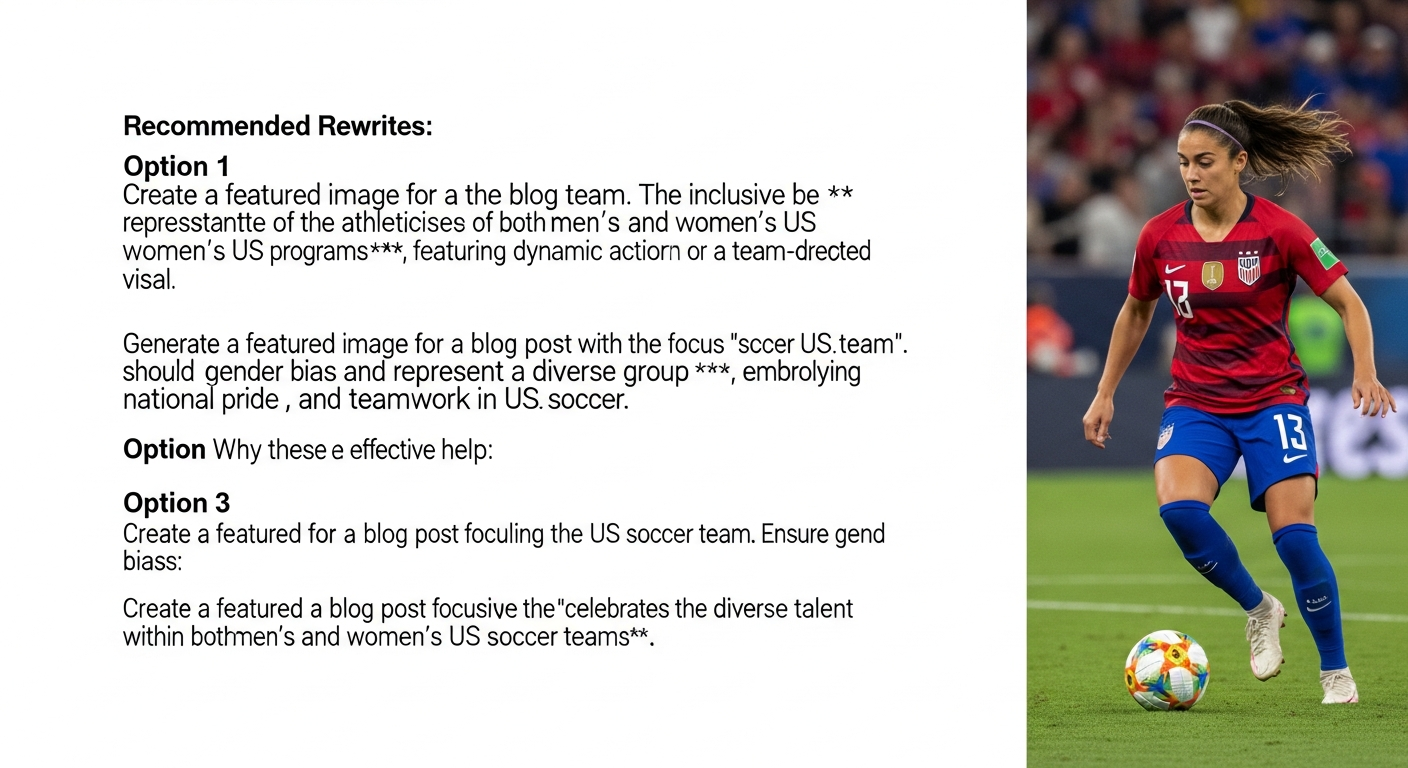
Soccer us team, a phrase once synonymous with rising stars and promising potential, now echoes with concerns about performance and future prospects. This blog post delves into the multifaceted reasons behind the perceived decline of the US Men’s National Team (USMNT), exploring factors ranging from youth development and coaching strategies to the ever-evolving global landscape of the sport. We’ll analyze statistics, examine tactical approaches, and consider the impact of various leagues and international competitions on the team’s overall trajectory.
Youth Development: A Foundation Under Scrutiny
The cornerstone of any successful national team is a robust youth development system. The USMNT’s struggles often trace back to debates surrounding the effectiveness of youth academies, coaching philosophies, and access to quality training for young players. While the United States has seen significant investment in youth soccer, critics argue that the system prioritizes pay-to-play models, limiting access for talented players from lower socioeconomic backgrounds.
Furthermore, the emphasis on winning at younger ages, rather than focusing on technical development and tactical understanding, can hinder the long-term growth of players. This approach can lead to a reliance on athleticism and physicality, which may be effective in youth leagues but proves insufficient against more technically gifted and tactically astute opponents at the international level. You can find more information about youth development programs worldwide at the FIFA Development website.
The Pay-to-Play Problem
The pay-to-play system, prevalent in US youth soccer, creates a significant barrier for many talented youngsters. The high costs associated with club fees, coaching, and travel effectively exclude a large portion of the population, limiting the pool of potential national team players. This contrasts sharply with European and South American systems, where talent identification and development are often publicly funded, ensuring that players from all backgrounds have the opportunity to reach their full potential.
Alternatives to the pay-to-play model are crucial for ensuring a more equitable and effective youth development system. Scholarship programs, community-based soccer initiatives, and increased investment in public soccer facilities can help level the playing field and unlock the potential of untapped talent.
Coaching Education and Standards
The quality of coaching at the youth level is paramount to player development. While there have been improvements in coaching education in the United States, some argue that standards still lag behind those in leading soccer nations. A greater emphasis on developing coaches who can effectively teach technical skills, tactical awareness, and game intelligence is essential for producing world-class players.
Organizations like US Club Soccer offer coaching education programs, but a more comprehensive and standardized approach is needed across the country. Investing in coach mentorship programs and providing opportunities for coaches to gain experience abroad can also contribute to raising the overall quality of coaching in the United States.
Tactical Approaches and Coaching Strategies
Beyond youth development, the tactical approaches and coaching strategies employed by the USMNT have been subject to scrutiny. Critics argue that the team has often lacked a clear tactical identity, struggling to adapt to different opponents and game situations. A consistent and well-defined tactical philosophy, combined with adaptable game plans, is crucial for success at the international level. Effective coaching involves not only selecting talented players but also molding them into a cohesive and tactically proficient unit.
The revolving door of coaches in recent years has further complicated matters, making it difficult to establish a consistent tactical approach and build a strong team culture. A long-term vision and a commitment to a specific coaching philosophy are essential for fostering stability and progress.
Adapting to Different Opponents
A key challenge for the USMNT has been its ability to adapt its tactical approach to different opponents. Against defensively organized teams, the team has often struggled to break down defenses and create scoring opportunities. Against more attacking-minded teams, the team has sometimes been exposed defensively. A greater emphasis on tactical flexibility and the ability to adjust formations and strategies during games is crucial for improving the team’s performance against a variety of opponents.
Analyzing opponent strengths and weaknesses and developing specific game plans to exploit them is a critical aspect of modern coaching. The USMNT needs to become more adept at scouting opponents and tailoring its tactics accordingly. For deeper tactical analysis, websites like WhoScored.com can be very useful.
The Importance of a Clear Tactical Identity
A clear tactical identity provides a foundation for team cohesion and allows players to develop a shared understanding of how to play together. Whether it’s a possession-based approach, a counter-attacking style, or a more direct and physical approach, the USMNT needs to establish a clear tactical identity that reflects the strengths of its players and the overall vision of the coaching staff.
This tactical identity should be instilled throughout the youth development system, ensuring that players are familiar with the core principles of the team’s approach from a young age. This will create a smoother transition for players moving from youth leagues to the national team.
The Impact of Major League Soccer (MLS)
Major League Soccer (MLS) has undoubtedly played a significant role in the growth of soccer in the United States. However, its impact on the USMNT is a subject of ongoing debate. While MLS has provided opportunities for American players to gain professional experience, some argue that the league’s focus on attracting foreign stars and its relatively low salary cap have limited the development of homegrown talent. Furthermore, the different playing style and tactical approaches in MLS compared to international soccer can make it difficult for players to adapt when they join the national team.
The league’s increasing investment in youth academies is a positive sign, but it remains to be seen whether this will translate into a significant improvement in the quality of American players at the highest level. MLS needs to strike a better balance between attracting established stars and developing homegrown talent to truly contribute to the success of the USMNT.
MLS as a Development League
MLS has the potential to serve as a valuable development league for American players. By providing opportunities for young players to gain experience and develop their skills, MLS can help bridge the gap between youth soccer and the international level. However, this requires a shift in focus towards prioritizing the development of homegrown talent over the signing of expensive foreign players. Teams need to be willing to give young American players more playing time and provide them with the support they need to reach their full potential.
The introduction of MLS Next Pro is a step in the right direction, providing a platform for young players to gain professional experience and develop their skills in a competitive environment. However, more investment is needed in youth academies and development programs to ensure that MLS can truly become a breeding ground for future national team stars. Information about MLS Next Pro can be found on the MLS website.
Comparing MLS to Other Leagues
Comparing MLS to other leagues around the world reveals both its strengths and weaknesses. While MLS has made significant strides in terms of attendance, stadium infrastructure, and marketing, it still lags behind the top European leagues in terms of overall quality, tactical sophistication, and player development. The salary cap in MLS limits the ability of teams to attract top-tier talent, while the different playing style can make it difficult for players to adapt to the demands of international soccer.
MLS can learn from the successes of other leagues by focusing on developing homegrown talent, investing in coaching education, and adopting more sophisticated tactical approaches. By closing the gap with the top leagues in the world, MLS can contribute more effectively to the success of the USMNT.
The Pressure of International Competition
International competition places immense pressure on national teams, and the USMNT is no exception. The CONCACAF region, while offering opportunities for qualification for major tournaments, also presents unique challenges in terms of travel, playing conditions, and opposition styles. Furthermore, the increasing competitiveness of international soccer means that the USMNT faces tougher challenges than ever before. Successfully navigating the rigors of international competition requires a combination of talent, tactical acumen, mental toughness, and a strong team spirit.
The USMNT needs to develop a winning mentality and learn how to perform under pressure in high-stakes games. This requires a greater emphasis on mental preparation, team cohesion, and the ability to adapt to different game situations.
Navigating CONCACAF
CONCACAF presents a unique set of challenges for the USMNT. The region is characterized by diverse playing styles, challenging travel conditions, and often hostile environments. The USMNT needs to be able to adapt to these challenges and consistently perform well in CONCACAF competitions to secure qualification for major tournaments.
Developing a squad of players who are familiar with the CONCACAF environment and capable of handling the physical and mental demands of playing in the region is crucial. This requires scouting and recruiting players who are comfortable playing in different conditions and against a variety of opponents.
Dealing with Tournament Pressure
Major tournaments like the World Cup and the Olympics place immense pressure on national teams. The USMNT needs to develop the mental toughness and resilience to perform under pressure in these high-stakes games. This requires a greater emphasis on mental preparation, team cohesion, and the ability to handle the emotional demands of tournament play.
Experienced players who have played in major tournaments can play a crucial role in helping younger players cope with the pressure. Building a strong team culture and fostering a sense of camaraderie can also help players support each other and perform at their best when it matters most. You can find tournament information and schedules on the ESPN Soccer website.
Player Selection and Team Chemistry
Choosing the right players and fostering strong team chemistry are essential for success at the international level. The USMNT coaching staff must carefully evaluate players based on their individual skills, tactical awareness, and ability to fit into the team’s overall system. Furthermore, creating a positive and supportive team environment, where players trust and respect each other, is crucial for maximizing performance.
A balance of experienced veterans and promising young players is often the key to success. The veterans can provide leadership and guidance, while the young players can bring energy and enthusiasm. Building a cohesive unit that is greater than the sum of its parts is the ultimate goal.
Finding the Right Balance
Striking the right balance between experienced veterans and promising young players is crucial for building a successful national team. The veterans can provide leadership, stability, and tactical awareness, while the young players can bring energy, enthusiasm, and a fresh perspective. The coaching staff must carefully evaluate the strengths and weaknesses of each player and create a squad that complements each other effectively.
Giving young players opportunities to gain experience alongside seasoned veterans can help them develop their skills and prepare them for the rigors of international competition. This requires a willingness to take risks and trust in the potential of young players.
Building Team Cohesion
Team cohesion is essential for success at the international level. A team that is united, supportive, and trusts each other is more likely to perform well under pressure and overcome adversity. Building team cohesion requires fostering a positive and supportive team environment, where players respect each other, communicate effectively, and share a common goal.
Team-building activities, open communication, and a clear sense of shared purpose can all contribute to building team cohesion. The coaching staff plays a crucial role in creating a positive and supportive team environment.
The Global Landscape of Soccer
The global landscape of soccer is constantly evolving, with new teams and countries emerging as contenders on the world stage. The USMNT must adapt to these changes and continue to innovate and improve to remain competitive. This requires a willingness to learn from other countries, embrace new technologies, and adopt innovative training methods.
Staying ahead of the curve and anticipating future trends in the game is essential for maintaining a competitive edge. The USMNT needs to invest in research and development to identify new strategies and techniques that can help the team improve its performance.
Learning from Other Nations
The USMNT can learn valuable lessons from other nations that have achieved success in international soccer. By studying the tactics, training methods, and youth development programs of leading soccer nations, the USMNT can identify areas for improvement and adapt best practices to its own system. This requires a willingness to be open-minded and learn from others, regardless of their nationality or background.
Exchanging coaches, players, and ideas with other nations can also contribute to the learning process. Building relationships with other soccer federations and sharing knowledge and expertise can benefit all parties involved.
Embracing Innovation
Innovation is essential for maintaining a competitive edge in the ever-evolving world of soccer. The USMNT needs to embrace new technologies, adopt innovative training methods, and explore new tactical approaches to stay ahead of the curve. This requires a willingness to experiment, take risks, and challenge conventional wisdom.
Investing in research and development and encouraging innovation at all levels of the game can help the USMNT identify new strategies and techniques that can improve its performance. Embracing data analytics, sports science, and other cutting-edge technologies can provide valuable insights into player performance and team tactics.
Financial Investment and Infrastructure
Adequate financial investment and robust infrastructure are crucial for supporting the development of soccer in the United States. This includes investing in youth academies, coaching education programs, stadium infrastructure, and other essential resources. While significant progress has been made in recent years, more investment is needed to ensure that the United States can compete with the leading soccer nations in the world.
A coordinated effort from the government, private sector, and soccer federations is needed to ensure that adequate resources are available to support the growth of the game at all levels.
Investing in Youth Academies
Investing in youth academies is essential for developing future national team players. Youth academies provide young players with access to quality coaching, state-of-the-art training facilities, and a competitive environment where they can develop their skills. These academies should be accessible to players from all socioeconomic backgrounds, ensuring that talent is not overlooked due to financial constraints.
Providing scholarships, financial aid, and other forms of support can help make youth academies more accessible to talented players from underserved communities. A national network of high-quality youth academies can serve as a breeding ground for future national team stars.
Improving Infrastructure
Improving infrastructure is crucial for supporting the growth of soccer in the United States. This includes building new stadiums, upgrading existing facilities, and investing in training grounds and other essential resources. Modern and well-equipped facilities can enhance the player experience, attract fans, and contribute to the overall development of the game.
Investing in infrastructure can also create jobs, stimulate economic growth, and improve the quality of life in communities across the country. A national strategy for infrastructure development is needed to ensure that the United States has the resources it needs to support the growth of soccer.
The Role of Leadership and Governance
Strong leadership and effective governance are essential for guiding the USMNT and the broader soccer ecosystem in the United States. This includes establishing clear goals, developing strategic plans, and ensuring that resources are allocated effectively. A transparent and accountable governance structure is crucial for maintaining public trust and ensuring that the sport is managed in a fair and equitable manner.
Leadership must be responsive to the needs of the players, coaches, fans, and other stakeholders in the soccer community. A collaborative approach that involves all stakeholders is essential for achieving long-term success.
Establishing Clear Goals
Establishing clear and measurable goals is essential for guiding the USMNT and the broader soccer ecosystem in the United States. These goals should be ambitious but achievable, and they should be aligned with the overall vision for the sport. Regular evaluation and adjustments are needed to ensure that the goals remain relevant and that progress is being made.
Goals should be established for all levels of the game, from youth soccer to the professional ranks. These goals should be communicated clearly to all stakeholders, and progress towards achieving them should be tracked and reported regularly.
Ensuring Transparency
Transparency is crucial for maintaining public trust and ensuring that soccer in the United States is managed in a fair and equitable manner. This includes providing open access to financial information, decision-making processes, and other relevant data. A transparent governance structure can help prevent corruption, promote accountability, and foster a culture of integrity.
Establishing clear policies and procedures for conflict resolution and ethical conduct can also contribute to transparency and accountability. Regular audits and independent oversight can help ensure that the sport is managed in a responsible and ethical manner.
In conclusion, the challenges facing the soccer us team are complex and multifaceted. Addressing these challenges requires a concerted effort from all stakeholders in the soccer community, including youth coaches, MLS teams, the US Soccer Federation, and government officials. By investing in youth development, improving coaching standards, supporting MLS, fostering team cohesion, and embracing innovation, the United States can regain its position as a leading force in international soccer. The US Soccer Federation website provides more information on these initiatives.
While the journey may be long and arduous, the potential rewards are immense. A successful USMNT can inspire a new generation of soccer players, unite the country, and showcase the best of American talent on the world stage. Rebuilding the soccer us team will require commitment and patience and a willingness to learn from past mistakes, and implement innovative solutions.
Get The Best Soccer Predictions Today!
Want to stay ahead of the game and get the best soccer predictions for the English Premier League? Subscribe to our daily picks and increase your winning chances! Don’t miss out on exclusive insights and expert analysis.















Comments 2