
Introduction to Soccer Teams USA
Soccer teams USA have experienced a surge in popularity and competitiveness over the past few decades. From Major League Soccer (MLS) to various lower leagues and youth academies, the landscape of American soccer is evolving rapidly. This article delves into the current state of soccer teams USA, highlighting key aspects, challenges, and opportunities within the sport.
Understanding the dynamics of soccer teams USA requires looking beyond the surface-level success stories. While the MLS continues to attract more international talent and expand its reach, several underlying issues affect the overall growth and sustainability of the sport at different levels. These challenges range from financial disparities to developmental roadblocks, affecting the quality and accessibility of soccer for players and fans alike.
The Rise of Major League Soccer (MLS)
The MLS has played a pivotal role in shaping the perception and popularity of soccer in the United States. Founded in 1993, the league has grown from a fledgling organization to a professional league featuring established international stars and promising young American players. The introduction of designated players, commonly known as “DPs,” has allowed teams to attract world-class talent, increasing the league’s global appeal.
However, the MLS operates under a unique set of rules and regulations, including a salary cap and designated player system, designed to promote parity among teams. While these measures have contributed to competitive balance, they also limit the financial flexibility of clubs, potentially hindering their ability to compete with top leagues in Europe and South America. Read more about MLS structure on MLSSoccer.com.
The Pyramid Structure of American Soccer
Unlike many European countries with well-defined promotion and relegation systems, the United States operates a closed league structure. This means that teams in lower divisions have no opportunity to ascend to the MLS based on merit. The United States Soccer Federation (USSF) oversees the various professional and amateur leagues, each with its own set of rules and standards.
Below the MLS, the USL Championship serves as the second tier of American soccer, followed by USL League One and the National Independent Soccer Association (NISA). These leagues provide opportunities for players to develop and showcase their talent, but they often lack the financial resources and infrastructure of the MLS. The absence of promotion and relegation limits the incentives for clubs in lower divisions to invest in long-term development, as their competitive ceiling is capped.
1. Financial Disparities and Resource Allocation
One of the most significant challenges facing soccer teams USA is the vast financial disparities between the MLS and lower-tier leagues. MLS teams benefit from substantial investments in infrastructure, marketing, and player acquisitions, while clubs in the USL and NISA often struggle to stay afloat. This imbalance affects the quality of facilities, coaching staff, and player salaries, creating a significant competitive disadvantage.
The concentration of resources in the MLS also affects youth development. While some MLS academies offer excellent training and development programs, many young players are priced out of these opportunities due to high fees and limited scholarship options. This creates a system where access to quality training is often determined by socioeconomic status, limiting the pool of potential talent. Explore the financial side of soccer on Statista.
2. Lack of Promotion and Relegation
The absence of promotion and relegation in American soccer has been a subject of much debate. Proponents of the current system argue that it provides stability and predictability for investors, allowing them to make long-term investments without the risk of relegation. However, critics argue that it stifles competition, reduces incentives for improvement, and limits opportunities for smaller clubs to rise through the ranks.
In many European countries, promotion and relegation create a dynamic and engaging league system, where every game carries significant weight. Teams in lower divisions are motivated to invest in their squads and infrastructure, knowing that they have a chance to compete at the highest level. The absence of this system in the United States creates a closed ecosystem, where the same teams consistently dominate the top tier.
3. Overreliance on International Talent
While the influx of international talent has undoubtedly raised the profile of the MLS, some argue that it has come at the expense of developing homegrown American players. MLS teams often prioritize signing established foreign stars over investing in young American prospects, limiting their opportunities to gain valuable playing time. This reliance on international players can hinder the long-term development of the US national team.
To address this issue, the MLS has implemented initiatives such as the Homegrown Player Rule, which allows teams to sign players from their academy systems without having to go through the draft. However, more needs to be done to create a sustainable pathway for young American players to develop and succeed at the highest level. Learn more about homegrown players on MLSSoccer.com.
4. Coaching Development and Education
The quality of coaching is a critical factor in the development of young players. However, the United States has historically lagged behind other soccer-playing nations in terms of coaching education and development. Many youth coaches lack the necessary training and qualifications to effectively guide young players, hindering their technical and tactical development.
The USSF has made efforts to improve coaching education through its licensing programs, but more needs to be done to ensure that coaches at all levels have access to high-quality training and resources. Investing in coaching development is essential for raising the overall standard of play in the United States and producing more talented players.
5. Infrastructure Gaps and Facility Shortages
Access to quality training facilities is essential for player development. However, many soccer teams USA, particularly at the youth and amateur levels, lack access to adequate facilities. This shortage of fields, training centers, and indoor facilities limits the amount of time players can spend training and practicing, hindering their development.
Investing in infrastructure is crucial for creating a sustainable soccer ecosystem in the United States. This includes building more fields, improving existing facilities, and providing access to indoor training centers in areas with inclement weather. The quality of training facilities directly impacts the quality of player development and the overall competitiveness of American soccer.
6. Youth Development System Deficiencies
The youth development system in the United States has been criticized for its fragmented structure, high costs, and lack of standardized curriculum. Many youth clubs operate independently, with varying standards of coaching, training, and competition. This lack of coordination and standardization can lead to inconsistent development experiences for young players.
Moreover, the high costs associated with youth soccer, including club fees, travel expenses, and equipment costs, create a barrier for many families, particularly those from low-income backgrounds. This limits the pool of potential talent and perpetuates a system where access to quality training is often determined by socioeconomic status. Check out US Youth Soccer for more information: US Youth Soccer.
7. Cultural and Historical Context
Soccer has historically struggled to compete with other major sports in the United States, such as football, basketball, and baseball. These sports have a long and established history in the country, with strong fan bases and deep cultural roots. Overcoming this cultural inertia is a significant challenge for soccer in the United States.
Changing cultural perceptions requires a concerted effort to promote the sport, educate the public about its nuances, and create engaging experiences for fans. The success of the MLS and the increasing popularity of the US national teams are positive signs, but more needs to be done to solidify soccer’s place in the American sports landscape.
8. Media Coverage and Exposure
The amount and quality of media coverage significantly impact the popularity of a sport. While the MLS has made strides in securing television deals and online streaming partnerships, soccer still lags behind other major sports in terms of media exposure. This lack of coverage limits the visibility of the sport and hinders its ability to attract new fans.
Increasing media coverage requires building relationships with media outlets, creating compelling storylines, and showcasing the sport’s excitement and drama. The emergence of digital platforms and social media has provided new opportunities for soccer to reach a wider audience, but these platforms must be utilized effectively to maximize their impact.
9. Governance and Leadership Challenges
Effective governance and leadership are essential for the long-term success of any sport. However, the USSF has faced criticism in recent years for its governance structure, decision-making processes, and lack of transparency. These issues have led to internal conflicts, legal disputes, and a lack of confidence among stakeholders.
Reforming the governance structure of the USSF is crucial for ensuring that the sport is managed effectively and that the interests of all stakeholders are represented. This includes implementing transparent decision-making processes, promoting accountability, and fostering collaboration among different organizations within the soccer ecosystem.
10. Limited Global Competitiveness
Despite the progress made in recent years, soccer teams USA still struggle to compete with the top clubs and national teams in the world. The MLS has yet to produce a team that can consistently challenge for the title in major international competitions, and the US national team has faced challenges in qualifying for major tournaments.
Improving global competitiveness requires addressing the underlying issues discussed above, including financial disparities, youth development deficiencies, and coaching education gaps. By investing in these areas, the United States can create a more sustainable and competitive soccer ecosystem, producing more talented players and increasing its presence on the world stage.
Opportunities for Growth
Despite these challenges, American soccer has immense potential for growth. The increasing popularity of the sport, the growing number of young players, and the influx of international talent create a foundation for future success. By addressing the issues outlined above and capitalizing on these opportunities, the United States can become a major player in the global soccer landscape.
Investing in youth development, improving coaching education, and creating a more equitable and accessible soccer ecosystem are essential steps. Additionally, fostering a culture of innovation, collaboration, and transparency within the soccer community can help unlock the sport’s full potential. The US Open Cup showcases many levels of soccer teams USA.
The Role of Communities and Local Teams
Local soccer teams USA play a crucial role in fostering a love for the game at the grassroots level. These teams provide opportunities for children and adults to participate in organized soccer, develop their skills, and build camaraderie. Supporting local teams and promoting community involvement is essential for nurturing the next generation of soccer players and fans. From the professional ranks to local recreational leagues, these teams shape the soccer landscape.
Many local clubs operate as non-profit organizations, relying on volunteers and donations to sustain their programs. Supporting these organizations through financial contributions, volunteering time, and attending games can help ensure that soccer remains accessible to everyone in the community.
Future of Soccer Teams USA
The future of soccer teams USA is bright, but realizing its full potential requires a collective effort from all stakeholders. From the USSF to the MLS to local youth clubs, everyone has a role to play in shaping the future of the sport. By addressing the challenges, capitalizing on the opportunities, and fostering a culture of collaboration and innovation, the United States can become a soccer powerhouse.
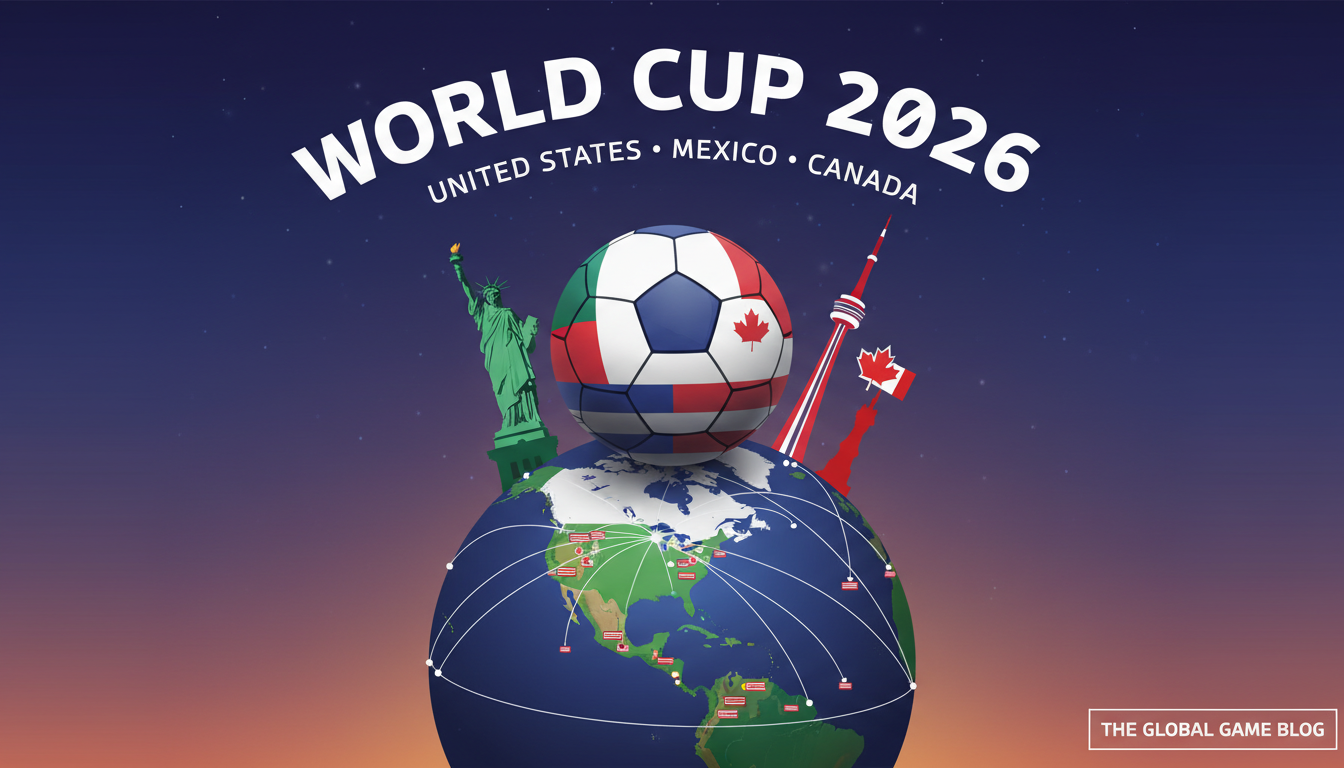
The 2026 FIFA World Cup, which will be co-hosted by the United States, Canada, and Mexico, presents a unique opportunity to showcase American soccer to the world and inspire a new generation of players and fans. Preparing for this event requires significant investments in infrastructure, player development, and marketing, ensuring that the United States is ready to host a world-class tournament.
Further Resources
Conclusion: Unveiling the Realities of Soccer Teams USA
While the sport continues to grow and captivate audiences, a deeper understanding of the challenges and opportunities is essential for its sustainable development. By acknowledging the financial disparities, youth development deficiencies, and governance issues, stakeholders can work together to create a more equitable, accessible, and competitive soccer ecosystem in the United States.
The journey to becoming a true soccer nation is ongoing, requiring dedication, investment, and a shared vision for the future. By embracing innovation, promoting collaboration, and prioritizing the development of homegrown talent, soccer teams USA can overcome these obstacles and achieve long-term success on and off the field.
Get Exclusive Soccer Predictions – Subscribe Now!
Want to stay ahead of the game with expert soccer predictions? Subscribe to our premium service and receive daily insights, analysis, and picks to help you win big! Don’t miss out on the best predictions for the English Premier League and more. Join our community of successful bettors today!