

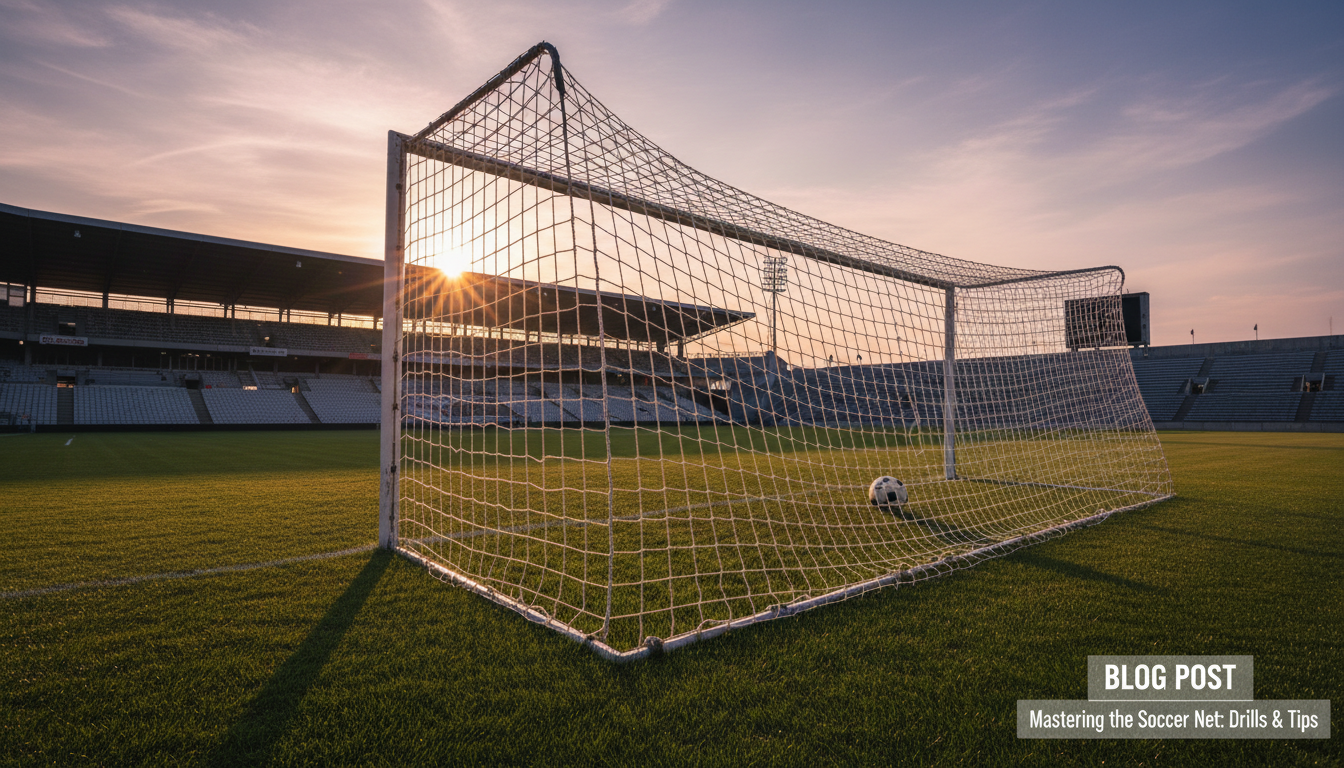
The soccer net is a fundamental piece of equipment in the beautiful game. Whether you’re a seasoned professional, a weekend warrior, or simply enjoying a kickabout in the park, the quality of your net can significantly impact your experience. A damaged, poorly maintained, or inappropriate net can lead to missed goals, frustrating practice sessions, and even potential injuries. This comprehensive guide will delve into everything you need to know about soccer nets, from identifying signs of damage to choosing the right type for your needs and ensuring its longevity.
Why a Good Soccer Net Matters
Beyond simply providing a target, a good soccer net contributes to the overall playing experience in several crucial ways:
- Fair Play: A properly intact net ensures that goals are accurately judged, preventing disputes and maintaining the integrity of the game. Imagine the frustration of a perfectly aimed shot being disallowed because the net had a gaping hole!
- Safety: A secure and well-maintained net minimizes the risk of players tripping or getting entangled, reducing the potential for injuries. A sagging or torn net can be a hazard, especially during intense gameplay.
- Aesthetics: A clean and professional-looking net enhances the overall appearance of the pitch or playing area, creating a more enjoyable and motivating environment. A crisp, white net simply looks better!
- Practice Efficiency: During training, a reliable net allows players to focus on improving their skills without worrying about chasing stray balls or dealing with net malfunctions. Consistent performance from the net leads to consistent performance from the players.
- Longevity and Cost-Effectiveness: Investing in a high-quality net and maintaining it properly will save you money in the long run by reducing the need for frequent replacements. A little maintenance goes a long way.
Consider this analogy: you wouldn’t play tennis with a broken racket, so why would you play soccer with a substandard soccer net?
5 Shocking Signs Your Soccer Net Needs Replacing
Knowing when to replace your soccer net is crucial. Here are five key indicators that it’s time for an upgrade:
1. Visible Tears, Holes, and Rips
This is the most obvious sign. Even small tears can quickly expand, especially under the stress of repeated impacts from the ball. Regularly inspect your net for any signs of damage, paying close attention to the areas around the corners and where the net is attached to the frame. Larger holes not only compromise the accuracy of goal judgments but also pose a safety hazard.
Minor tears can sometimes be repaired with netting twine and a needle, but extensive damage usually warrants a replacement. Think of it like patching a tire – small punctures are fixable, but a large gash requires a new tire.
Consider referring to this guide on net repair techniques for minor issues: WikiHow – How to Repair a Net
2. Fading and Sun Damage
Prolonged exposure to sunlight can weaken the fibers of the net, making it brittle and prone to tearing. Fading is a clear indication that the net has been exposed to UV radiation, which degrades the material over time. While it might not seem like a critical issue, sun-damaged nets are significantly weaker and more likely to fail during gameplay. Think of the sun as a silent enemy slowly weakening your net.
Look for nets made with UV-resistant materials to prolong their lifespan. Proper storage during off-seasons can also help minimize sun damage. Consider a net cover for added protection.
3. Sagging and Loss of Shape
A good soccer net should maintain its shape and tension. Sagging indicates that the netting material has stretched and lost its elasticity. This not only looks unprofessional but also affects the net’s ability to catch the ball effectively. A sagging net can also create uneven tension, making it more susceptible to tearing in certain areas. A stretched net is a weak net.
Check the tension of the net regularly and adjust the attachments as needed. If the sagging persists despite adjustments, it’s a sign that the net is reaching the end of its lifespan. Explore options for tightening the net through different attachment methods.
4. Deterioration of Attachment Points
The points where the net is attached to the frame are crucial for its stability and security. Inspect these areas regularly for signs of wear and tear, such as frayed ropes, broken clips, or corroded metal. Weak or damaged attachment points can cause the net to come loose during play, leading to disruptions and potential safety hazards. The stability of the entire net depends on the strength of these connection points.
Consider using high-quality clips and ropes for attaching the net. Regularly lubricate metal components to prevent corrosion. If the attachment points on the frame are damaged, consider repairing or replacing them as well.
5. General Wear and Tear
Even without specific signs of damage, a soccer net will inevitably show signs of general wear and tear over time. This includes discoloration, stiffness, and a general decline in the net’s overall condition. If the net simply looks old and worn out, it’s likely time for a replacement. A fresh, new net can significantly improve the look and feel of your playing area. Think of it as giving your soccer field a facelift.
Regular cleaning and maintenance can help prolong the life of your net, but eventually, it will need to be replaced. Factor in the cost of replacement nets into your budget for soccer equipment.
Choosing the Right Soccer Net: A Comprehensive Guide
Selecting the right soccer net depends on several factors, including the size of the goal, the type of play (e.g., professional, recreational, training), and the budget. Here’s a breakdown of the key considerations:
1. Size and Dimensions
Regulation Size: For official matches, the goal size is standardized according to age and competition level. Full-size goals are 24 feet wide and 8 feet high. Make sure you know the dimensions of your goals before purchasing a net.
Youth Goals: Smaller goals are used for younger players, with dimensions varying depending on the age group. Common sizes include 6×4 feet and 12×6 feet.
Training Goals: Training goals come in a variety of sizes, often smaller than regulation size, to focus on specific skills or drills. Pop-up goals are popular for portability and ease of setup.
Always measure your goal frame before purchasing a net to ensure a proper fit. A net that is too small or too large will be difficult to install and may not function correctly.
2. Material
The material of the soccer net significantly impacts its durability, weather resistance, and overall performance.
- Nylon: Nylon is a strong and durable material that is commonly used for soccer nets. It is resistant to abrasion and can withstand repeated impacts from the ball.
- Polyester: Polyester is another popular choice, known for its excellent UV resistance and ability to retain its shape. It is also less prone to shrinking or stretching than nylon.
- Polyethylene: Polyethylene is a lightweight and affordable option, often used for recreational or training nets. However, it is not as durable as nylon or polyester and may be more susceptible to damage from sunlight.
- High-Tenacity Polypropylene (HTPP): HTPP is a strong and durable material that offers excellent resistance to abrasion, UV radiation, and moisture. It is a popular choice for high-end soccer nets that are designed to withstand heavy use.
Consider the climate and playing conditions when choosing a net material. If you live in an area with harsh sunlight or frequent rain, opt for a material with good UV resistance and water resistance.
3. Mesh Size and Thickness
The mesh size refers to the size of the openings in the net. Smaller mesh sizes are generally more durable and prevent the ball from passing through, while larger mesh sizes may be more lightweight and allow for better visibility.
The thickness of the netting twine also affects the net’s strength and durability. Thicker twine is generally more resistant to tearing and abrasion. Look for nets with knotted mesh construction, which provides added strength and prevents the mesh from unraveling if a strand breaks. A tightly woven net is a strong net.
4. Net Type
Different types of soccer nets are designed for specific purposes and levels of play.
- Box Style Nets: These nets have a square or rectangular shape and are commonly used for professional and competitive matches. They provide a clean and professional look and are designed to withstand heavy use.
- Pillow Style Nets: Pillow style nets have a rounded or curved shape, providing more space for the ball to settle in the net. They are often used for recreational play and training.
- Flat Nets: Flat nets are simple and lightweight, often used for training or backyard play. They are easy to set up and take down but may not be as durable as other types of nets.
- Knotless Nets: Knotless nets are made with a continuous strand of netting material, eliminating the need for knots. This makes them smoother and more durable than traditional knotted nets. They reduce wear and tear by removing the friction points of knots.
Consider the style of play and the desired aesthetic when choosing a net type. Box style nets are often preferred for professional matches, while pillow style nets may be more suitable for recreational use.
5. Features
Some soccer nets come with additional features that enhance their functionality and durability.
- UV Protection: Nets with UV protection are designed to resist damage from sunlight, prolonging their lifespan.
- Water Resistance: Water-resistant nets are less prone to rot and mildew, making them ideal for outdoor use in wet climates.
- Reinforced Edges: Reinforced edges provide added strength and durability, preventing the net from tearing or fraying.
- Easy Attachment Systems: Nets with easy attachment systems make it quick and simple to install and remove the net from the frame. Look for clips, velcro straps, or rope systems that are user-friendly.
Consider these features when choosing a soccer net, especially if you plan to use it frequently or in harsh weather conditions.
Maintaining Your Soccer Net: Tips and Best Practices
Proper maintenance is essential for prolonging the life of your soccer net and ensuring its optimal performance. Here are some tips and best practices:
1. Regular Inspection
Inspect your soccer net regularly for any signs of damage, such as tears, holes, or frayed ropes. Catching small problems early can prevent them from becoming bigger ones.
2. Cleaning
Clean your net regularly to remove dirt, debris, and mildew. Use a mild detergent and water to gently scrub the net, then rinse thoroughly and allow it to air dry. Avoid using harsh chemicals or bleach, as they can damage the netting material.
3. Storage
When not in use, store your soccer net in a dry and protected location. This will prevent sun damage, moisture damage, and general wear and tear. Consider using a net bag or storage container to keep it clean and organized. Proper storage is key to extending the life of your net.
4. Repairs
Repair any minor tears or holes immediately using netting twine and a needle. Larger tears may require professional repair or replacement of the net. Don’t ignore small problems – they can quickly escalate.
5. Replacement
Replace your soccer net when it shows significant signs of wear and tear, such as extensive damage, sagging, or fading. A worn-out net not only looks unprofessional but also compromises safety and performance. Knowing when to replace is just as important as knowing how to maintain.
Consider consulting with a sporting goods professional for advice on maintaining and repairing your soccer net. They can provide valuable insights and recommendations based on your specific needs and playing conditions.
Here’s a helpful guide on how to properly clean your net: SFGate – How to Clean Sports Netting
The Impact of a Quality Soccer Net on Player Development
Beyond the practical aspects, a high-quality soccer net can also have a positive impact on player development. A reliable and aesthetically pleasing net can enhance motivation, improve focus, and create a more professional training environment.
When players know that the equipment is well-maintained and of good quality, they are more likely to take their training seriously and strive for improvement. A crisp, new soccer net can inspire confidence and encourage players to push their limits. The psychology of quality equipment should not be underestimated.
Conversely, a damaged or poorly maintained net can be a source of frustration and discouragement. Players may become distracted by the need to chase stray balls or worry about the net failing during a critical moment. This can detract from their focus and hinder their progress. Frustration hinders progress.
Investing in a good soccer net is an investment in player development. It sends a message that you value their efforts and are committed to providing them with the best possible training environment. Show your players you care by providing quality equipment.
DIY Soccer Net Projects: Building Your Own
For those who enjoy a hands-on approach, building your own soccer net can be a rewarding and cost-effective project. Here are some basic steps and considerations:
1. Planning and Design
Determine the desired size and shape of your soccer net. Consider the intended use (e.g., training, recreational play) and the available space. Sketch out a detailed plan, including dimensions and materials.
2. Materials
Gather the necessary materials, including netting twine, needles, rope, and a frame (if desired). Choose high-quality materials that are durable and weather-resistant.
3. Netting
Create the netting by weaving the twine together in a mesh pattern. Ensure that the mesh size is appropriate for your needs. Knot the twine securely at each intersection to prevent unraveling.
4. Frame Construction (Optional)
If you are building a framed net, construct the frame using wood or metal. Ensure that the frame is sturdy and stable. Attach the netting to the frame using rope or clips.
5. Finishing Touches
Add any finishing touches, such as reinforcing the edges of the net or adding a protective coating to the frame. Inspect the net carefully to ensure that it is safe and functional.
Building your own soccer net can be a challenging but satisfying project. It allows you to customize the net to your specific needs and preferences. However, it is important to have basic carpentry and netting skills to ensure a successful outcome. If you’re not confident, it’s best to purchase a pre-made net.
Here’s a video tutorial on how to create your own soccer net: YouTube – How to Make A Soccer Goal
Where to Buy Soccer Nets: A Guide to Retailers and Online Stores
Soccer nets are widely available from a variety of retailers, both online and in brick-and-mortar stores. Here are some popular options:
1. Sporting Goods Stores
Sporting goods stores like Dick’s Sporting Goods, Academy Sports + Outdoors, and Decathlon offer a wide selection of soccer nets in various sizes, materials, and prices. These stores typically have knowledgeable staff who can assist you in choosing the right net for your needs.
2. Online Retailers
Online retailers like Amazon, eBay, and Walmart.com offer a vast selection of soccer nets from various brands and manufacturers. Online shopping provides convenience and often lower prices, but it is important to read customer reviews and compare prices before making a purchase.
3. Specialty Soccer Stores
Specialty soccer stores cater specifically to soccer enthusiasts and offer a curated selection of high-quality soccer nets and other soccer equipment. These stores often have knowledgeable staff who can provide expert advice on choosing the right net for your specific needs and playing conditions.
4. Direct from Manufacturers
Some manufacturers sell soccer nets directly to consumers through their websites. This can be a good option if you are looking for a specific brand or model and want to ensure that you are getting a genuine product.
When shopping for a soccer net, consider your budget, the intended use, and the desired features. Read customer reviews and compare prices to find the best value. Choose a reputable retailer or manufacturer to ensure that you are getting a high-quality product. Don’t be afraid to shop around!
The Future of Soccer Net Technology
The world of soccer nets is not static. Innovation continues to drive advancements in materials, design, and functionality. Here are some emerging trends in soccer net technology:
1. Smart Nets
Smart nets are equipped with sensors and technology that can track the speed and accuracy of shots, providing valuable data for training and performance analysis. These nets can also automatically detect goals and record statistics, eliminating the need for manual tracking.
2. Self-Repairing Nets
Self-repairing nets are made with materials that can automatically repair minor tears and holes, extending the net’s lifespan and reducing the need for frequent replacements. Imagine a net that heals itself!
3. Sustainable Materials
As sustainability becomes increasingly important, manufacturers are exploring the use of eco-friendly materials for soccer nets. This includes recycled plastics, biodegradable fibers, and other sustainable alternatives.
4. Improved Durability
Ongoing research and development are focused on improving the durability of soccer nets. This includes developing new materials that are more resistant to abrasion, UV radiation, and water damage.
These technological advancements promise to revolutionize the way soccer nets are used and maintained, making the game safer, more efficient, and more sustainable.
Conclusion
The soccer net is a seemingly simple piece of equipment, but its importance to the game cannot be overstated. From ensuring fair play and safety to enhancing the overall playing experience, a good net is an essential investment for any soccer team or enthusiast. By understanding the signs of damage, choosing the right type of net, and implementing proper maintenance practices, you can ensure that your net provides years of reliable performance and contributes to countless memorable moments on the field. Don’t underestimate the power of a quality soccer net!
Get the Best Soccer Predictions!
Want to elevate your soccer experience? Subscribe to our daily newsletter for expert predictions on the English Premier League! Get the edge you need to win!
Click here to subscribe: Subscribe Now!
















Comments 1