

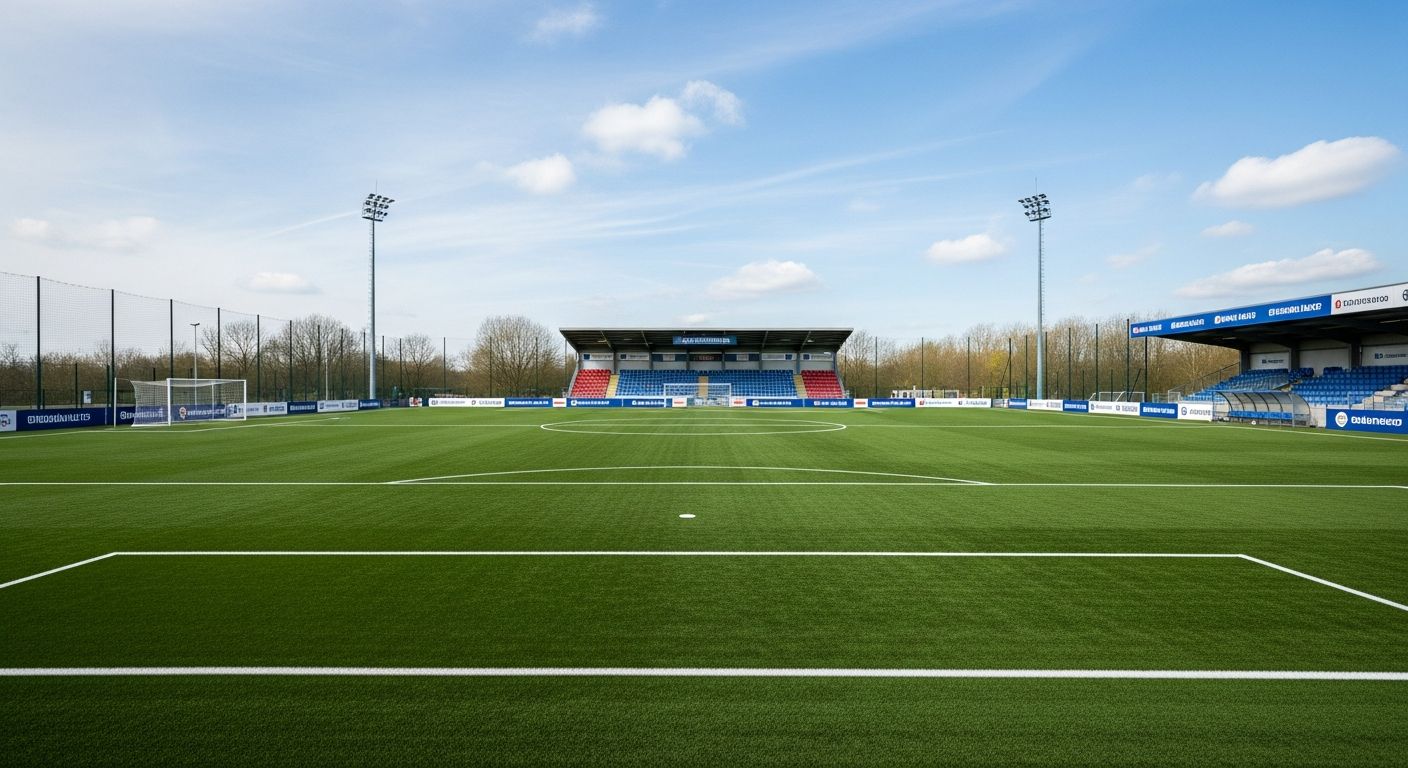
Introduction: The Heart of the Beautiful Game
The soccer field is more than just a patch of grass; it’s the stage where dreams are realized, rivalries ignite, and memories are made. From the echoing cheers of the crowd to the silent determination in a player’s eyes, the soccer field holds a unique power. But maintaining this sacred ground can be a challenging and, at times, costly endeavor. This comprehensive guide explores seven powerful strategies to combat common field issues, ensuring your soccer field remains in top condition for years to come.
Understanding Your Soccer Field
Before diving into solutions, it’s crucial to understand the makeup of your soccer field. Several factors influence its health and playability:
- Soil Composition: The foundation of any healthy field. Is it sandy, clay-based, or a loamy mixture? Each soil type has different drainage, nutrient retention, and compaction characteristics. You can conduct a soil test to determine its exact composition. Learn more about soil testing at Purdue University Extension.
- Grass Type: Different grass species thrive in different climates and under varying levels of use. Common choices include Bermuda grass, Kentucky bluegrass, and perennial ryegrass. Each offers unique advantages and disadvantages.
- Drainage: Proper drainage is essential to prevent waterlogging and ensure a playable surface, even after heavy rain. Poor drainage can lead to disease and root rot.
- Sunlight: Adequate sunlight is vital for photosynthesis and healthy grass growth. Shaded areas may require special attention or alternative grass types.
- Usage: The frequency and intensity of use directly impact the wear and tear on the field. High-traffic areas require more frequent maintenance and potentially more resilient grass varieties.
1. Implement a Robust Aeration Program
Soil compaction is a major enemy of a healthy soccer field. Over time, foot traffic, equipment, and natural settling compress the soil, reducing pore space and hindering air and water movement to the roots. This leads to shallow root growth, weakened grass, and increased susceptibility to disease.
Aeration is the process of creating small holes in the soil to alleviate compaction. There are several aeration methods available:
- Core Aeration: This involves removing small plugs of soil (cores) from the ground. This is the most effective method for relieving compaction and improving drainage. Learn more about core aeration at Turf Magazine.
- Solid Tine Aeration: This uses solid tines to punch holes in the soil without removing any material. It’s a less disruptive option than core aeration but also less effective for severe compaction.
- Slicing Aeration: This involves using blades to slice through the soil, creating narrow channels for air and water penetration.
- Spiking Aeration: This uses spikes to create small holes in the soil. Similar to solid tine aeration, it’s less disruptive but also less effective for significant compaction.
The frequency of aeration depends on the level of use and soil type. High-traffic fields may require aeration multiple times per year, while less frequently used fields may only need it annually. Consider aerating in the spring and fall when the grass is actively growing.
2. Optimize Your Watering Practices
Proper watering is essential for healthy grass growth, but overwatering or underwatering can lead to various problems. Overwatering creates a conducive environment for fungal diseases, while underwatering can stress the grass and make it more susceptible to drought and pests.
Here are some tips for optimizing your watering practices:
- Water deeply and infrequently: Encourage deep root growth by watering less often but for longer periods. This allows the water to penetrate deeper into the soil, reaching the roots and promoting a healthier, more resilient lawn.
- Water early in the morning: This allows the grass blades to dry before nightfall, reducing the risk of fungal diseases.
- Use a soil moisture sensor: This device measures the moisture content of the soil and helps you determine when and how much to water.
- Consider using a sprinkler system: A well-designed sprinkler system can provide even and efficient watering, ensuring that all areas of the soccer field receive adequate moisture.
- Account for rainfall: Don’t water if it has recently rained or if rain is expected.
3. Implement a Comprehensive Fertilization Plan
Proper fertilization is crucial for providing the grass with the nutrients it needs to grow and thrive. A well-fertilized soccer field is more resistant to disease, pests, and wear and tear. However, it’s essential to develop a fertilization plan based on the specific needs of your grass type and soil conditions.
Here are some key considerations for your fertilization plan:
- Soil testing: Conduct a soil test to determine the nutrient levels in your soil. This will help you identify any deficiencies and choose the appropriate fertilizer.
- Fertilizer type: Choose a fertilizer that is specifically formulated for turfgrass. Consider slow-release fertilizers, which provide a steady supply of nutrients over a longer period.
- Application rate: Follow the manufacturer’s instructions for application rates. Over-fertilizing can damage the grass and contribute to nutrient runoff.
- Timing: Fertilize during the active growing season, typically in the spring and fall. Avoid fertilizing during periods of drought or extreme heat.
- Consider organic fertilizers: Organic fertilizers can improve soil health and provide a slow-release source of nutrients.
4. Overseed Regularly to Maintain Density
Overseeding is the process of sowing new grass seed over an existing lawn. This is a crucial practice for maintaining the density and health of a soccer field. Overseeding helps to fill in bare spots, improve turf density, and introduce new grass varieties that are more resistant to disease and wear.
Here are some tips for successful overseeding:
- Choose the right seed: Select a grass seed that is compatible with your existing grass type and climate.
- Prepare the soil: Loosen the soil surface by raking or aerating.
- Sow the seed evenly: Use a seed spreader to ensure even distribution of the seed.
- Water frequently: Keep the soil moist until the new grass seedlings emerge.
- Protect the seedlings: Avoid heavy traffic on the newly seeded areas until the grass is well established.
5. Control Weeds, Pests, and Diseases Proactively
Weeds, pests, and diseases can significantly damage a soccer field, weakening the grass and making it more susceptible to wear and tear. A proactive approach to pest and disease management is essential for maintaining a healthy and playable field.
Here are some strategies for controlling weeds, pests, and diseases:
- Proper mowing: Mowing at the correct height encourages healthy grass growth and can help to suppress weeds.
- Weed control: Use herbicides to control weeds. Choose herbicides that are specifically formulated for turfgrass and follow the manufacturer’s instructions carefully.
- Pest control: Monitor the field for signs of pest infestations. Use insecticides to control pests, but only when necessary and in accordance with label instructions. Consider beneficial nematodes for grub control. Learn more at University of Nebraska-Lincoln Extension.
- Disease control: Identify and treat diseases promptly. Use fungicides to control fungal diseases, but only when necessary and in accordance with label instructions.
- Promote healthy grass: Healthy grass is more resistant to weeds, pests, and diseases. Ensure that the field receives adequate sunlight, water, and nutrients.
6. Implement Proper Mowing Techniques
Mowing is a seemingly simple task, but improper mowing techniques can significantly impact the health and appearance of your soccer field. Proper mowing techniques promote healthy grass growth, improve turf density, and reduce the risk of disease.
Here are some key mowing tips:
- Mow at the correct height: Mow at the recommended height for your grass type. Generally, a mowing height of 2-3 inches is suitable for most soccer field grasses.
- Mow frequently: Mow frequently enough to remove no more than one-third of the grass blade at a time. This prevents scalping and promotes healthy growth.
- Use sharp mower blades: Sharp mower blades make clean cuts, which heal quickly and reduce the risk of disease. Dull blades tear the grass, leaving it vulnerable to infection.
- Vary mowing patterns: Change the direction of mowing each time to prevent soil compaction and create a more uniform surface.
- Leave clippings on the field: Grass clippings provide a natural source of nutrients for the soil. However, if the clippings are too thick, they can smother the grass. In this case, collect the clippings or use a mulching mower.
7. Manage Traffic and Repair Damage Promptly
High traffic and wear and tear are unavoidable on a soccer field. However, managing traffic and repairing damage promptly can minimize the impact on the field’s health and playability.
Here are some strategies for managing traffic and repairing damage:
- Rotate usage: Rotate the areas of the field that are used for practice and games to distribute wear and tear evenly.
- Use designated walkways: Encourage players and spectators to use designated walkways to avoid damaging the grass.
- Repair divots and bare spots: Fill divots and bare spots with soil and seed as soon as possible to prevent weeds from establishing.
- Install wear mats: Use wear mats in high-traffic areas, such as around the goals, to protect the grass.
- Consider synthetic turf: For extremely high-traffic areas or areas where natural grass struggles to grow, consider using synthetic turf.
The Importance of Professional Assessment
While this guide offers valuable insights into maintaining a healthy soccer field, it’s crucial to recognize the benefits of professional assessment. A qualified turfgrass manager can provide a comprehensive evaluation of your field’s condition, identify underlying issues, and develop a tailored maintenance plan. They have the expertise and tools to conduct detailed soil testing, diagnose diseases, and recommend the most effective solutions for your specific needs.
Conclusion: Investing in a Quality Soccer Field
Maintaining a high-quality soccer field requires ongoing effort and investment. By implementing these seven powerful strategies, you can combat common field issues, improve turf health, and create a safe and enjoyable playing surface for athletes of all levels. Remember to adapt these strategies to your specific needs and consult with a turfgrass professional when necessary. A well-maintained soccer field is an investment in the future of the sport and the well-being of the community.
Unlock Winning Predictions: Subscribe Now!
Want to elevate your soccer knowledge and potentially profit from your passion? Subscribe to our exclusive prediction service for the best insights and tips! Get daily English Premier League soccer predictions delivered straight to your inbox. Don’t miss out on the opportunity to gain an edge!
Click here to subscribe: Subscribe Now!

















Comments 1