

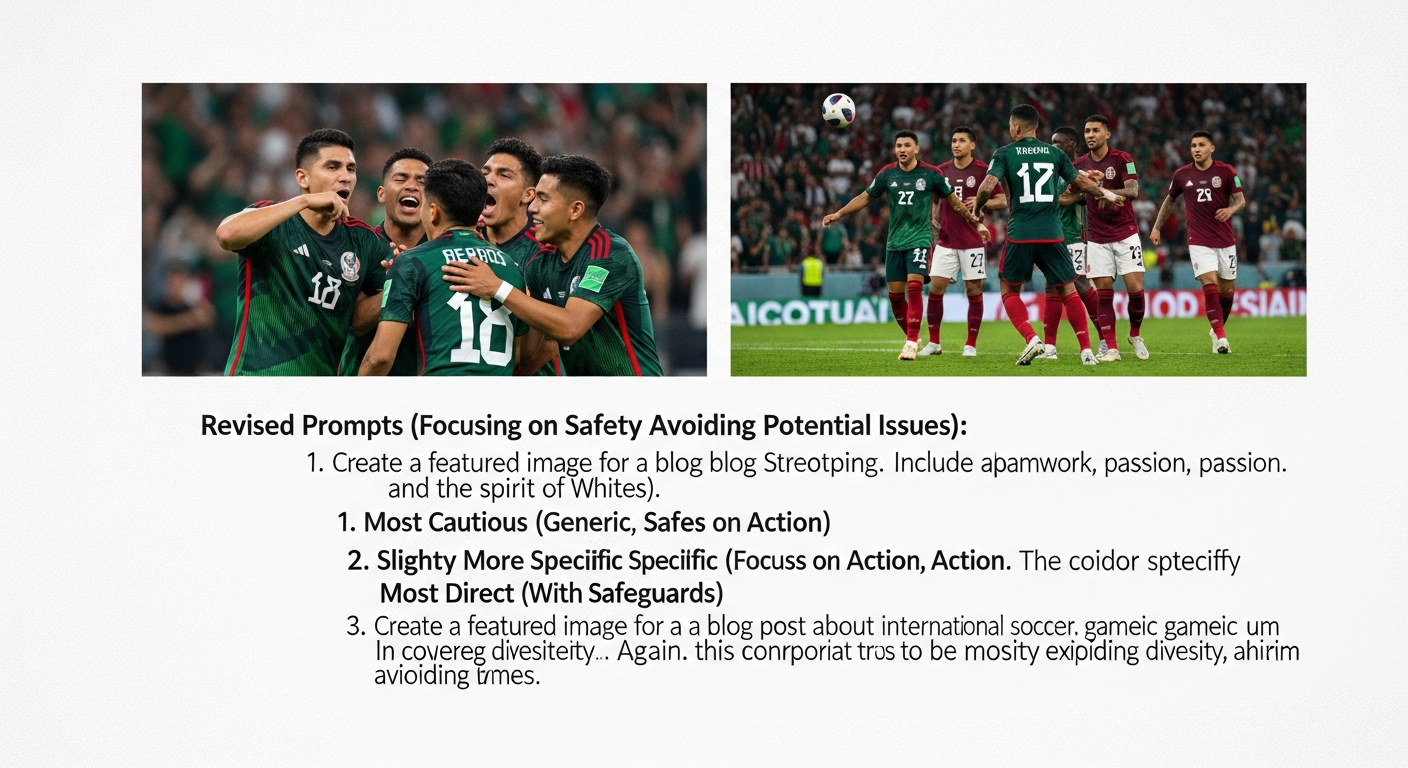
Introduction: The Enduring Legacy of the Mexico National Soccer Team
The mexico national soccer team, affectionately known as El Tri, commands a passionate following across the globe. From the electrifying atmosphere of the Estadio Azteca to the millions who tune in from around the world, the team represents more than just a sport; it embodies national pride and cultural identity. This article delves deep into the history, current state, and future prospects of the mexico national soccer team, offering insights and predictions that may surprise even the most ardent fans.
We will examine key players, analyze tactical approaches, and explore the challenges and opportunities that lie ahead for El Tri. Whether you’re a long-time supporter or a curious observer, this comprehensive guide will provide you with a deeper understanding of the mexico national soccer team and its place in the global soccer landscape.
A Brief History: Triumphs and Tribulations
The mexico national soccer team boasts a rich history, marked by moments of glory and periods of frustration. The team’s official formation dates back to 1923, and their participation in the inaugural FIFA World Cup in 1930 set the stage for a long and storied journey.
- Early Years (1930-1960): Initial World Cup appearances were characterized by struggles against more established European and South American teams.
- The ’60s and ’70s: Gradual improvement and increased competitiveness on the international stage.
- The 1986 World Cup: Hosting the tournament and reaching the quarter-finals remains a highlight in Mexican soccer history.
- Modern Era (1990s-Present): Consistent qualification for the World Cup, but often falling short of expectations in the knockout stages. The CONCACAF Gold Cup has been a more reliable source of success.
Throughout its history, the mexico national soccer team has produced iconic players who have captivated audiences with their skill and passion. Legends like Hugo Sánchez, Cuauhtémoc Blanco, and Rafael Márquez have left an indelible mark on Mexican soccer, inspiring generations of players and fans.
Key Historical Moments
- 1986 World Cup Quarter-Finals: A near-miss against West Germany in front of a roaring home crowd.
- 1999 Confederations Cup Victory: Defeating Brazil in the final at the Estadio Azteca.
- 2012 Olympic Gold Medal: A historic triumph against Brazil in the final, showcasing the talent of a new generation.
Analyzing the Current Squad: Strengths and Weaknesses
The current mexico national soccer team boasts a blend of experienced veterans and promising young talents. The team’s success hinges on its ability to integrate these players effectively and develop a cohesive tactical approach.
Key Players to Watch
- Guillermo Ochoa (Goalkeeper): An experienced shot-stopper known for his World Cup heroics.
- Edson Álvarez (Defensive Midfielder): A versatile player who provides stability and defensive cover.
- Hirving Lozano (Winger): A dynamic attacker with pace and dribbling ability.
- Santiago Giménez (Striker): A young and promising forward with a keen eye for goal.
Tactical Approach
The mexico national soccer team typically employs a possession-based style of play, aiming to control the game and create attacking opportunities through intricate passing movements. However, recent performances have been inconsistent, leading to questions about the team’s tactical flexibility and ability to adapt to different opponents.
One area of concern is the team’s defensive vulnerability. At times, El Tri has struggled to contain quick counter-attacks and maintain defensive discipline, leading to costly goals. Strengthening the defense and improving tactical organization will be crucial for future success. To understand more about tactical formations in soccer, you can visit resources like Football Bible’s Tactics & Formations page.
Identifying Weaknesses
- Defensive Fragility: Susceptible to quick counter-attacks and lapses in concentration.
- Lack of Clinical Finishing: Creating chances but struggling to convert them into goals consistently.
- Tactical Inflexibility: Difficulty adapting to different opponents and game situations.
7 Shocking Predictions for the Mexico National Soccer Team
Now, let’s delve into some bold predictions for the mexico national soccer team. These are based on current form, historical trends, and potential developments within the team.
- Prediction 1: El Tri Will Reach the Quarter-Finals of the Next World Cup. Despite recent struggles, the team possesses the talent and potential to make a deep run in the next World Cup. A favorable draw and improved tactical cohesion will be key factors.
- Prediction 2: A Young Mexican Player Will Become a Global Superstar. The emergence of talents like Santiago Giménez suggests that Mexico is on the verge of producing a world-class player who will captivate audiences worldwide.
- Prediction 3: The Mexico National Soccer Team Will Experiment with a New Formation. To address its defensive vulnerabilities and unlock its attacking potential, El Tri will likely experiment with a new formation, potentially a 3-5-2 or a 4-3-3, to provide more defensive cover and attacking options.
- Prediction 4: A Controversial Coaching Change Will Occur. If the team’s performances continue to be inconsistent, a coaching change is likely, potentially bringing in a foreign manager with a proven track record of success.
- Prediction 5: Mexico Will Win the Next CONCACAF Gold Cup. The Gold Cup remains a realistic target for El Tri, and the team will be determined to reclaim the title and assert its dominance in the region.
- Prediction 6: Liga MX Players Will Play a Bigger Role in the National Team. As Liga MX continues to develop and produce talented players, expect to see more domestic-based players integrated into the national team setup.
- Prediction 7: The United States Will Overtake Mexico as the Dominant Force in CONCACAF. While controversial, the USMNT’s recent successes and investment in youth development suggest that they are poised to overtake Mexico as the dominant force in the region. This rivalry will only intensify in the years to come.
Analyzing the Impact of Liga MX on the National Team
Liga MX, the top professional soccer league in Mexico, plays a crucial role in shaping the mexico national soccer team. The league provides a platform for Mexican players to develop their skills and gain valuable experience.
However, the league’s structure and policies can also have a negative impact on the national team. The prevalence of foreign players in Liga MX can limit opportunities for Mexican players to gain playing time and develop their potential. Additionally, the league’s emphasis on short-term success can sometimes come at the expense of long-term player development.
To improve the relationship between Liga MX and the national team, it is essential to implement policies that promote the development of Mexican players and encourage clubs to prioritize long-term player development over short-term gains.
You can find more details about Liga MX and its impact on Mexican soccer at resources like ESPN’s coverage of Liga MX.
The Role of Youth Development
Investing in youth development is crucial for the long-term success of the mexico national soccer team. By identifying and nurturing young talents, Mexico can ensure a steady stream of skilled players who are capable of competing at the highest level.
However, Mexico’s youth development system faces several challenges, including a lack of funding, inadequate coaching, and limited opportunities for young players to gain exposure to international competition. Addressing these challenges is essential for unlocking the full potential of Mexican youth soccer.
Several initiatives have been launched in recent years to improve youth development in Mexico, including the creation of youth academies and the implementation of standardized coaching programs. These initiatives are a step in the right direction, but more needs to be done to create a truly world-class youth development system.
The Mexico National Soccer Team‘s Fanbase: Passion and Expectations
The mexico national soccer team boasts one of the most passionate and devoted fanbases in the world. Millions of Mexicans around the globe rally behind El Tri, creating an electric atmosphere at games and celebrating the team’s successes with unbridled enthusiasm.
However, this passion also comes with high expectations. Mexican fans demand success, and they are quick to criticize the team when it falls short of their expectations. This pressure can sometimes be a burden for the players, but it also serves as a motivating factor, driving them to perform at their best.
The relationship between the mexico national soccer team and its fans is a complex and dynamic one, characterized by a mix of passion, pride, and unwavering support.
Looking Ahead: Challenges and Opportunities
The mexico national soccer team faces a number of challenges and opportunities in the years ahead. The team must address its defensive vulnerabilities, improve its tactical flexibility, and develop a more clinical edge in front of goal.
However, Mexico also has several advantages, including a talented pool of players, a passionate fanbase, and a strong soccer culture. By leveraging these strengths and addressing its weaknesses, the mexico national soccer team can achieve its full potential and compete for major titles on the world stage.
The future of Mexican soccer is bright, and the mexico national soccer team is poised to play a leading role in shaping that future. With the right leadership, investment, and dedication, El Tri can continue to inspire and captivate audiences around the world.
The Rivalry with the United States: A Battle for Supremacy
The rivalry between the mexico national soccer team and the United States Men’s National Team (USMNT) is one of the most intense and passionate rivalries in international soccer. The two teams have a long and storied history, marked by memorable matches, controversial moments, and fierce competition.
In recent years, the USMNT has emerged as a formidable force, challenging Mexico’s dominance in the CONCACAF region. The USMNT‘s success has been attributed to its investment in youth development, its recruitment of talented players from abroad, and its adoption of a more modern and progressive style of play.
The rivalry between Mexico and the United States is likely to intensify in the years ahead, as both teams strive to assert their dominance in the region. The matches between these two teams are always highly anticipated and fiercely contested, and they represent a clash of cultures, styles, and ideologies.
You can track the latest updates and statistics on this rivalry on websites like the official US Soccer website.
The Importance of Leadership and Coaching
Effective leadership and coaching are essential for the success of any soccer team, and the mexico national soccer team is no exception. A strong coach can instill a sense of discipline, organization, and tactical awareness within the team, while also fostering a positive and supportive team environment.
The coach of the mexico national soccer team must be able to effectively manage the egos and personalities of the players, while also developing a cohesive and effective tactical approach. The coach must also be able to communicate effectively with the players, the media, and the fans.
In recent years, the mexico national soccer team has struggled to find a coach who can consistently deliver results. Frequent coaching changes have led to a lack of stability and continuity within the team, hindering its progress and development.
Finding the right coach is crucial for the long-term success of the mexico national soccer team. The coach must be able to inspire the players, develop a winning culture, and lead the team to victory on the world stage.
The Economic Impact of the Mexico National Soccer Team
The mexico national soccer team has a significant economic impact, both domestically and internationally. The team’s games generate millions of dollars in revenue through ticket sales, merchandise sales, and television broadcasting rights.
The mexico national soccer team also attracts tourists to Mexico, boosting the country’s tourism industry. Many fans travel to Mexico to attend the team’s games, supporting local businesses and contributing to the economy.
The team’s success on the field can also have a positive impact on the Mexican economy. When the team performs well, it generates a sense of national pride and optimism, which can boost consumer confidence and investment.
The mexico national soccer team is more than just a sports team; it is a powerful economic engine that contributes to the prosperity of Mexico.
The Mexico National Soccer Team and Social Issues
The mexico national soccer team often finds itself at the intersection of sports and social issues. The team has been used as a platform to raise awareness about various social issues, such as poverty, inequality, and discrimination.
Mexican players have also spoken out against social injustice and have used their platform to advocate for positive change. The team has also been involved in charitable initiatives, supporting various causes and organizations.
The mexico national soccer team has a responsibility to use its platform to promote positive values and to advocate for a more just and equitable society. The team can inspire millions of people to take action and to make a difference in their communities.
Training and Preparation: The Road to Success
The mexico national soccer team’s success on the field depends heavily on rigorous training and meticulous preparation. Players undergo intense physical conditioning, tactical drills, and strategic planning sessions to ensure they are at their peak performance levels.
Coaches meticulously analyze opponents’ strengths and weaknesses, developing tailored game plans to exploit vulnerabilities and neutralize threats. Nutritionists and sports scientists work closely with the team to optimize their diet and recovery strategies, ensuring they are adequately fueled and prepared for the demands of international competition.
Mental preparation is also a crucial aspect of training. Players work with sports psychologists to develop mental fortitude, resilience, and focus, enabling them to perform under pressure and maintain composure in high-stakes situations.
The Future of CONCACAF and Mexico’s Place Within It
The CONCACAF region is undergoing significant changes, with the rise of new teams and the increasing competitiveness of established ones. The mexico national soccer team must adapt to these changes to maintain its position as one of the top teams in the region.
The expansion of the World Cup to 48 teams will provide more opportunities for CONCACAF teams to qualify for the tournament, which could lead to increased investment in soccer infrastructure and player development in the region.
The emergence of teams like Canada and the United States as genuine contenders has created a more challenging landscape for Mexico, forcing El Tri to constantly evolve and improve to stay ahead of the competition.
Conclusion: The Enduring Allure of El Tri
The mexico national soccer team is more than just a collection of players; it is a symbol of national pride, cultural identity, and unwavering passion. Despite facing numerous challenges and obstacles, El Tri continues to inspire and captivate audiences around the world.
The future of Mexican soccer is bright, and the mexico national soccer team is poised to play a leading role in shaping that future. With the right leadership, investment, and dedication, El Tri can achieve its full potential and compete for major titles on the world stage.
Subscribe for the Best Soccer Predictions!
Want to stay ahead of the game and get the best soccer predictions delivered straight to your inbox? Subscribe to our premium service and gain access to exclusive insights, expert analysis, and winning tips!
















Comments 1