

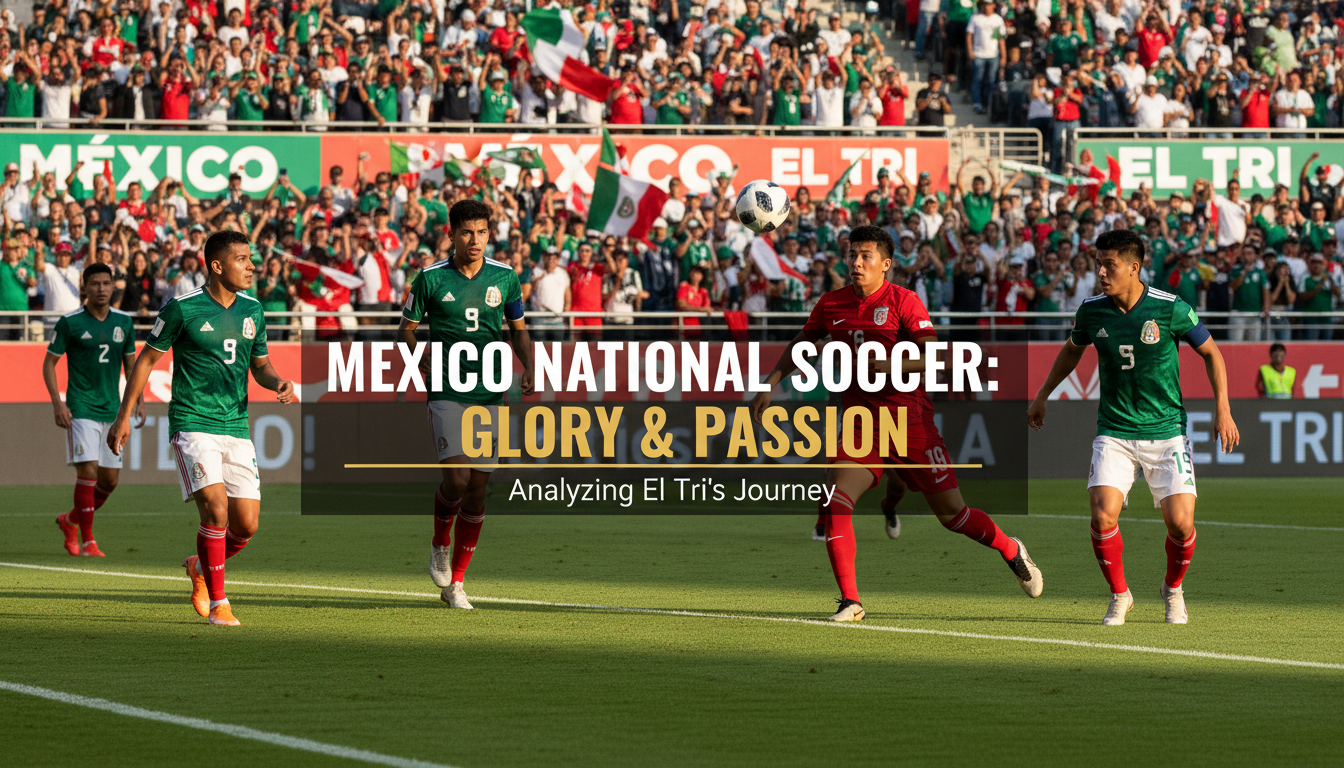
Mexico national soccer, a team steeped in history, passion, and unwavering fan support, holds a unique place in the global football landscape. From its iconic green jerseys to its fervent supporters filling stadiums worldwide, El Tri, as it’s affectionately known, evokes a range of emotions. However, beyond the victories and celebrations lies a complex reality, one marked by both triumphs and persistent challenges.
A Legacy of Passion and Expectations
The history of the Mexico national soccer team is intertwined with the nation’s identity. Participating in numerous World Cups and consistently competing in regional tournaments like the Gold Cup, the team has created a strong legacy. The fervent fan base, known for its unwavering support and vibrant celebrations, adds an electric atmosphere to every match. This passion, however, often translates into immense pressure, both on the players and the coaching staff. Managing these expectations is a constant balancing act.
The early years of Mexican football saw participation in the FIFA World Cup in Uruguay in 1930. While the team did not achieve immediate success, these early appearances laid the groundwork for future generations. Over the decades, the team has experienced peaks and valleys, with memorable moments and disappointing defeats shaping its identity. The 1970 and 1986 World Cups, both hosted in Mexico, remain iconic events, fueling national pride and inspiring countless young players.
The Current State of El Tri
The current state of the Mexico national soccer team is a subject of ongoing discussion and analysis. While the team consistently qualifies for major tournaments and often reaches the knockout stages, breaking through to the highest level remains a challenge. The competitive landscape in CONCACAF, while improving, can still limit the team’s exposure to truly world-class competition. The emergence of other strong national teams in the region necessitates continuous improvement and strategic development.
Recent performances have been mixed, with moments of brilliance overshadowed by inconsistencies. The team’s tactical approach is constantly evolving, as coaches strive to find the right formula for success. The integration of younger players into the squad is a key priority, ensuring a sustainable future for the national team. Identifying and nurturing talent from both domestic and international leagues is essential for maintaining a competitive edge.
7 Shocking Downsides Facing Mexico National Soccer
While the Mexico national soccer team enjoys widespread popularity and support, it also faces several significant downsides that hinder its progress on the international stage. These challenges range from structural issues within the domestic league to external pressures from media and fans.
- Pressure and Expectations: The intense scrutiny from the media and fans creates a constant pressure cooker environment. Every match is seen as a referendum on the team’s performance, and any setback is met with harsh criticism. This can negatively impact player confidence and performance.
- CONCACAF Limitations: While CONCACAF is improving, the level of competition is not consistently high enough to prepare the team for the rigors of the World Cup. The limited exposure to top-tier opponents can create a disadvantage when facing European and South American powerhouses.
- Brain Drain: Talented young Mexican players often move to European leagues at a young age, which, while beneficial for their individual development, can weaken the domestic league and make it harder for the national team coach to build a cohesive squad. This exodus of talent can be difficult to manage.
- Corruption Concerns: Allegations of corruption within Mexican football have plagued the sport for years, impacting the development of young players and the overall integrity of the league. Addressing these issues is crucial for long-term success. News outlets such as ESPN often cover these developments.
- Coaching Instability: Frequent changes in coaching staff can disrupt team chemistry and make it difficult to implement a consistent tactical philosophy. A long-term, stable coaching environment is essential for building a successful national team program.
- Dependence on Individual Brilliance: At times, the team has relied too heavily on individual brilliance rather than a cohesive team strategy. While individual talent is important, a well-organized and tactically sound team is more likely to achieve consistent success.
- Lack of Consistent Goalkeeping: The goalkeeper position has been a source of inconsistency for the Mexico national soccer team in recent years. Finding a reliable and experienced goalkeeper is crucial for any team aspiring to compete at the highest level.
Powerful Strategies for Future Success
Despite the challenges, the Mexico national soccer team has the potential to achieve greater success on the world stage. By implementing strategic changes and addressing the aforementioned downsides, El Tri can elevate its performance and compete with the best teams in the world.
- Investing in Youth Development: A robust youth development program is essential for nurturing future generations of talent. Focusing on grassroots football and providing young players with access to quality coaching and facilities will pay dividends in the long run.
- Strengthening the Domestic League: Improving the quality and competitiveness of the Liga MX will help retain talent and provide a stronger platform for national team players. Attracting foreign players and investing in infrastructure can contribute to this goal.
- Promoting a Consistent Tactical Philosophy: Establishing a clear and consistent tactical philosophy that is implemented across all levels of the national team program will create a cohesive and unified approach. This will allow players to seamlessly transition between different teams and formations.
- Prioritizing Player Welfare: Ensuring the physical and mental well-being of players is crucial for maximizing their performance. Providing access to top-notch medical care, sports psychology support, and adequate rest and recovery will help players perform at their best.
- Addressing Corruption and Promoting Transparency: Implementing strict ethical guidelines and promoting transparency in all aspects of Mexican football will help restore trust and create a level playing field. Independent oversight and accountability mechanisms are essential.
- Seeking More International Friendlies: Scheduling more friendlies against top-ranked teams from Europe and South America will provide valuable experience and help the team prepare for major tournaments. These matches will expose the team to different playing styles and tactical approaches.
- Data-Driven Decision Making: Embracing data analytics and using it to inform coaching decisions, player selection, and tactical strategies will provide a competitive edge. Analyzing player performance data, opponent tendencies, and match statistics can help the team make more informed decisions. Resources like FIFA’s website provide a wealth of information.
The Importance of Strong Leadership
Effective leadership is essential for the success of any football team, and the Mexico national soccer team is no exception. A strong coach who can inspire and motivate players, develop a cohesive team strategy, and effectively manage the pressure and expectations is crucial. A capable and respected leadership team can help navigate the challenges and guide the team towards its goals.
The selection of the national team coach is a critical decision that can have a significant impact on the team’s performance. The coach must have a deep understanding of Mexican football, the ability to identify and develop talent, and the experience to lead a team on the international stage. Clear communication, strong leadership skills, and a commitment to excellence are essential qualities.
The Role of Mexican Fans: A Double-Edged Sword
The passion and unwavering support of Mexican fans are a defining characteristic of the Mexico national soccer team. The vibrant atmosphere at matches, both at home and abroad, is a testament to the deep connection between the team and its supporters. However, this passion can also be a double-edged sword, as the intense pressure and scrutiny can create a challenging environment for players and coaches.
Constructive criticism and positive encouragement are essential for fostering a supportive environment. While fans have the right to express their opinions, it is important to remember that the players are human beings who are doing their best to represent their country. Creating a positive and supportive atmosphere can help the team perform at its best and achieve its goals. Social media platforms like Twitter are often filled with passionate fan reactions.
Mexico’s World Cup Aspirations
The ultimate goal for the Mexico national soccer team is to win the World Cup. While this may seem like a distant dream, it is a goal that inspires every player and coach who wears the green jersey. Achieving this goal will require a long-term commitment to excellence, a strategic approach to development, and the unwavering support of the entire nation.
Qualifying for the World Cup is the first step towards achieving this ultimate goal. The team must consistently perform well in CONCACAF qualifying matches and secure its place in the tournament. Once qualified, the team must prepare rigorously and develop a game plan that will allow them to compete with the best teams in the world. A combination of skill, determination, and a little bit of luck will be essential for success.
Internal Links: Delving Deeper into El Tri
To learn more about specific aspects of the team, consider exploring the following:
- The history of Mexico national soccer coaches and their impact.
- Analysis of the top 10 players who have represented Mexico national soccer.
- A comparison of the Liga MX and other top leagues around the world.
The Future of Mexican Football: A Bright Horizon?
The future of Mexico national soccer is uncertain, but there is reason to be optimistic. With a renewed focus on youth development, a commitment to improving the domestic league, and a strong leadership team, El Tri can overcome the challenges and achieve its full potential. The passion and support of the Mexican fans will continue to be a driving force, inspiring the team to strive for greatness.
The success of the Mexico national soccer team is not just about winning matches; it is about representing the nation with pride, inspiring future generations, and contributing to the positive image of Mexico on the world stage. By embracing the challenges, learning from the past, and working together towards a common goal, El Tri can achieve its dreams and make its fans proud.
The road ahead will not be easy, but with hard work, dedication, and a unwavering belief in its potential, the Mexico national soccer team can achieve its goals and make a lasting impact on the world of football.
Get Exclusive Soccer Predictions and Boost Your Wins!
Want to stay ahead of the game and receive expert insights on soccer matches from around the globe? Subscribe to our premium predictions service and gain access to exclusive analysis, statistical data, and winning tips. Don’t miss out on the opportunity to increase your success rate and maximize your profits.
For the best English Premier League predictions, subscribe here: https://dailysoccerpicks.com/subscribe-daily-english-premier-league-soccer/
Conclusion
The Mexico national soccer team is a source of national pride, facing persistent challenges, and holding immense potential. By addressing the downsides and embracing strategic improvements, El Tri can solidify its position on the world stage. The support of passionate fans, coupled with strong leadership and a commitment to excellence, will pave the way for a brighter future for Mexican football.
This article delves into the complexities of the Mexico national soccer landscape, exploring both the triumphs and tribulations that shape the team’s journey. From the fervent support of its fans to the structural challenges within the domestic league, El Tri faces a unique set of circumstances that require careful navigation. By understanding these dynamics and implementing strategic solutions, the Mexico national soccer team can unlock its full potential and achieve greater success on the world stage.