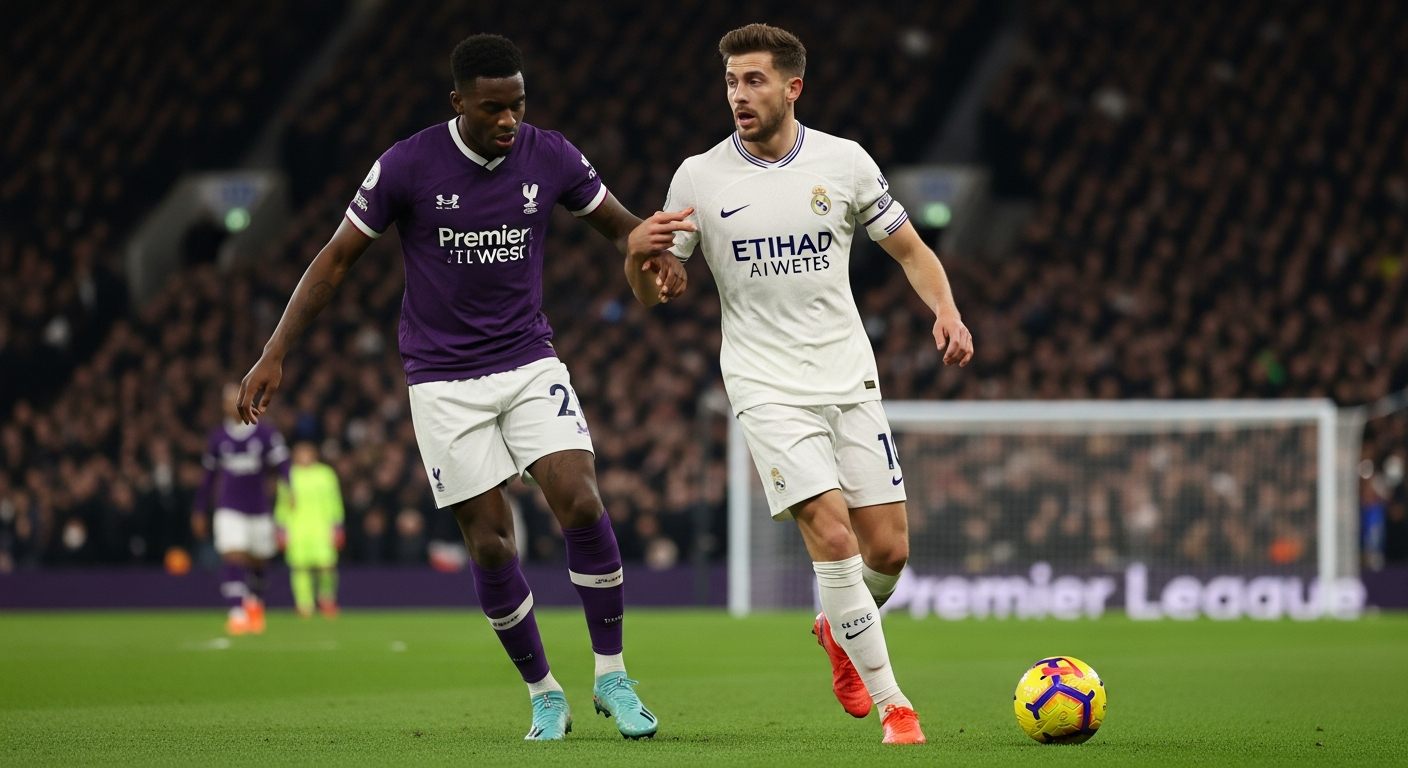


Football teams, or soccer teams as they are known in some parts of the world, represent the beating heart of the most popular sport on the planet. From the hallowed grounds of iconic stadiums to the humble pitches of local parks, these collective units of players, coaches, and passionate fans create a tapestry of sport, culture, and community.
This extensive exploration delves deep into the multifaceted world of football teams, examining their historical evolution, organizational structures, the economics that fuel them, their profound cultural impact, and the sheer thrill they bring to billions worldwide. Whether you’re a lifelong devotee of a specific club or simply curious about the global appeal of this beautiful game, prepare for a comprehensive journey through the essence of football teams.
The Genesis and Evolution of Football Teams
The origins of organised football, and by extension, the formation of football teams, can be traced back to the mid-19th century in England. Prior to this, various forms of ball games were played, often with loose rules and significant regional variations. The establishment of codified rules, most notably by The Football Association in 1863, provided the framework for the modern game. This standardization allowed for the creation of formal clubs and the beginnings of competitive leagues.
Early football teams were often formed from schools, universities, or working-class communities. These nascent clubs were driven by a passion for the sport and a sense of local pride. The FA Cup, first contested in 1871, is the oldest national football competition in the world and played a crucial role in fostering the development and rivalry between these early football teams.
As the sport gained popularity, professionalization became inevitable. The Football League was established in 1888, marking a significant shift from amateurism to professionalism. This allowed players to dedicate themselves to the sport, leading to higher standards of play and the emergence of more sophisticated team tactics. The early 20th century saw the rise of dominant football teams that laid the groundwork for many of the giants we see today.
The interwar period and the post-World War II era witnessed further expansion, with continental European leagues developing and international competitions like the FIFA World Cup capturing global attention. The evolution of football teams is a story of continuous adaptation, from the rudimentary beginnings to the highly structured and globally interconnected entities they are today.
Structure and Organization of Football Teams
A modern professional football team is a complex organization with multiple interconnected parts. At its core are the players, the individuals who execute the strategies on the pitch. These players are typically organized into specialized roles: goalkeepers, defenders, midfielders, and forwards, each with distinct skill sets and responsibilities.
Leading the team on the technical side is the manager or head coach. This individual is responsible for training, tactics, player recruitment, and overall team strategy. They work closely with assistant coaches, fitness trainers, and medical staff to ensure the team is in peak physical and mental condition. The performance analysis team plays an increasingly vital role, dissecting game footage and player statistics to identify areas for improvement and opponent weaknesses.
Beyond the playing and coaching staff, a professional football team has a significant administrative and operational structure. This includes:
- Club Management: Oversees the overall direction and financial health of the club. This can range from a single owner to a board of directors.
- Scouting Department: Responsible for identifying and recruiting promising talent at all age levels.
- Youth Academy: A crucial component for developing future talent from a young age, fostering loyalty and a long-term vision for the club. Many successful football teams have robust youth academies.
- Commercial and Marketing Departments: Focus on generating revenue through sponsorships, merchandise, ticketing, and broadcasting rights.
- Media and Communications: Manages the club’s public image, interacts with the press, and engages with fans through social media and official channels.
- Groundskeeping Staff: Ensures the playing surface is in optimal condition for training and matches.
The structure of a football team reflects the sport’s evolution into a global business. The success of a team is not solely dependent on the talent on the field but also on the efficiency and effectiveness of its entire organizational apparatus. Understanding these different facets provides a deeper appreciation for the workings of these multifaceted entities.
The Role of the Manager/Head Coach
The manager is arguably the most influential figure within a football team, second only to the players themselves. Their responsibilities are broad and demanding:
- Tactical Acumen: Developing game plans, setting formations, and making in-game adjustments.
- Player Development: Improving individual players’ skills, confidence, and understanding of the game.
- Team Chemistry: Fostering a positive and cohesive team environment.
- Recruitment: Identifying and signing new players who fit the team’s style and needs.
- Motivation: Inspiring players to perform at their best, especially during challenging periods.
The tenure of a manager can be fleeting, often dependent on results. However, those who achieve sustained success, like Sir Alex Ferguson at Manchester United, leave an indelible mark on their football teams and the sport itself.
The Economics of Football Teams
The economic landscape surrounding football teams is vast and complex, characterized by massive revenues, significant expenses, and intricate financial structures. For top-tier clubs, revenue streams are diverse and substantial:
- Broadcasting Rights: This is often the largest single source of income, particularly for elite leagues. Leagues negotiate lucrative deals with television broadcasters for the rights to screen matches, which are then distributed among the participating football teams. The Premier League, for instance, generates billions from these deals annually.
- Commercial Income: This encompasses sponsorship deals with global brands for shirt sponsorship, stadium naming rights, training ground partnerships, and various other endorsements. These partnerships are vital for the financial health of most football teams.
- Matchday Revenue: Ticket sales for home games, as well as hospitality packages and concessions, contribute significantly to a club’s income, especially for those with large stadiums.
- Merchandise Sales: Replica kits, training wear, and other branded merchandise are a consistent revenue generator, allowing fans to express their support for their favorite football teams.
- Player Transfers: The buying and selling of players between football teams can generate enormous sums, particularly for clubs that are adept at identifying and developing talent.
However, these substantial revenues are matched by equally significant expenses. The primary cost for most football teams is:
- Player Wages: The astronomical salaries paid to professional footballers represent the largest expenditure for most clubs. The transfer fees paid to acquire players also represent a substantial investment.
- Staff Costs: This includes the salaries of managers, coaches, medical staff, administrative personnel, and a host of other employees.
- Infrastructure and Maintenance: The upkeep of stadiums, training facilities, and other club infrastructure incurs considerable costs.
- Transfer Fees: While a revenue source, they are also a major expense when acquiring new talent.
- Youth Development: Investing in academies and youth programs is essential for long-term success but requires significant financial outlay.
The financial disparities between football teams, particularly between those in major European leagues and those in smaller leagues, are stark. This has led to discussions about financial fair play regulations, aimed at preventing clubs from overspending and creating a more level playing field. External resources like Deloitte’s Football Money League provide invaluable insights into the financial performance of the world’s leading football teams.
Financial Fair Play (FFP)
Financial Fair Play (FFP) regulations, introduced by UEFA, aim to ensure that football teams do not spend more than they earn. The objective is to prevent clubs from accumulating unsustainable debt and to promote long-term financial stability. While FFP has faced criticism and numerous challenges in its implementation, it remains a significant factor influencing the financial strategies of many European football teams.
The Cultural Impact of Football Teams
The influence of football teams extends far beyond the boundaries of the pitch. They are deeply ingrained in the social and cultural fabric of communities, cities, and even nations. For many, supporting a particular football team is more than just a hobby; it’s a matter of identity, heritage, and belonging.
Local Identity and Pride: In many cities, the local football team is a symbol of civic pride. Victories are celebrated collectively, fostering a sense of unity and shared experience. The history of a club is often intertwined with the history of its city, creating a powerful bond between the team and its supporters. For example, the success of clubs like [Insert example of a famous local team and its city’s pride, e.g., Athletic Bilbao and Basque Country identity] demonstrates this deep connection.
Social Cohesion: Football stadiums can be melting pots of diverse individuals united by their shared passion for their football team. In a world often marked by division, the unifying power of sport is immense. The shared rituals, chants, and emotions experienced on match days create a strong sense of community amongst fans.
Globalisation and Nationalism: On a larger scale, football teams can embody national identity. International tournaments like the World Cup see entire nations rally behind their national teams, transcending political and social differences. The success of a national football team can be a source of immense national pride and a unifying force.
Art, Music, and Media: The impact of football teams is evident in various forms of popular culture. Songs are written about legendary players and iconic moments, films and documentaries explore the history and drama of clubs, and art often draws inspiration from the iconography of the sport. The media plays a crucial role in amplifying this cultural impact, with extensive coverage of matches, player transfers, and club news keeping fans engaged.
Role Models and Influence: Professional footballers, as the stars of these football teams, often become influential figures, particularly for younger generations. Their actions on and off the field can inspire millions. This influence also comes with a responsibility, and many players engage in charitable work and use their platforms to promote positive social messages. Examining the work of footballer foundations, such as [Insert example of a footballer’s foundation, e.g., the Lionel Messi Foundation], highlights this aspect.
The cultural significance of football teams is undeniable. They are more than just sporting entities; they are cultural institutions that reflect and shape the societies in which they exist.
Tactical Evolution in Football Teams
The evolution of tactics has been a defining characteristic of modern football teams. From the rudimentary formations of the early days to the sophisticated tactical blueprints of today, the game on the pitch has undergone a dramatic transformation. This evolution is driven by a constant quest for competitive advantage, innovation, and a deeper understanding of the sport’s nuances.
Early Formations: In the early days of football, formations were relatively simple. The ‘Pyramid’ formation (2-3-5) was prevalent, emphasizing attacking prowess. As the game developed, defensive structures became more important, leading to variations like the ‘WM’ formation (3-2-2-3), which provided better defensive stability.
The Influence of Total Football: In the 1970s, the Dutch national team, under the guidance of Rinus Michels and with legendary players like Johan Cruyff, pioneered ‘Total Football’. This revolutionary approach emphasized fluid positional interchange, where any player could technically operate in any position. It demanded exceptional technical skill, tactical intelligence, and physical fitness from all players within the football team.
The Rise of the 4-4-2 and 4-3-3: For many years, the 4-4-2 formation was a cornerstone for numerous football teams. It offered a balanced structure with two banks of four, providing defensive solidity and clear attacking avenues. The 4-3-3, with its emphasis on width and attacking midfielders, also became a popular choice, offering a more dynamic offensive threat. Many modern successful football teams have adapted these foundational systems.
Gegenpressing and High Intensity: In recent decades, tactical trends have shifted towards high-intensity pressing. ‘Gegenpressing’, popularized by managers like Jürgen Klopp, involves aggressively pressing opponents immediately after losing possession, aiming to win the ball back high up the pitch. This requires immense physical conditioning and a coordinated team effort from all players within the football team.
Positional Play (Juego de Posición): Spearheaded by Pep Guardiola, positional play emphasizes maintaining specific formations and structures to create overloads and passing lanes. The focus is on intelligent movement off the ball, creating passing options and controlling possession. This style requires technically gifted players with a high footballing IQ.
The Role of Data Analytics: The modern era has seen an explosion in the use of data analytics. Advanced metrics and statistical analysis now play a crucial role in informing tactical decisions. Coaches use this data to understand player performance, identify opponent weaknesses, and refine their team’s strategy. For example, analyzing opponent passing patterns can help a football team devise effective pressing strategies.
The tactical evolution of football teams is a continuous cycle of innovation and adaptation. Managers are constantly experimenting with new ideas, pushing the boundaries of the game, and seeking that marginal gain that can lead to victory. Understanding these tactical shifts provides a deeper appreciation for the strategic complexity of modern football.
Famous Tactical Innovations
Throughout history, certain tactical innovations have profoundly shaped the way football teams play. The aforementioned ‘Total Football’ is a prime example, fundamentally altering perceptions of player roles. Another significant innovation was the introduction of the ‘sweeper’ or ‘libero’ role in defense, offering an extra layer of protection and allowing for different defensive schemes. More recently, the meticulous application of gegenpressing has revolutionized defensive strategies for many high-achieving football teams.
Famous Football Teams and Their Legacies
The history of football is punctuated by the exploits of legendary football teams that have achieved iconic status through their dominance, distinctive playing styles, and enduring legacies. These clubs are more than just winners; they are cultural touchstones that have inspired generations of fans and influenced the game itself.
- Real Madrid CF: Often referred to as ‘Los Blancos’, Real Madrid is synonymous with European success, particularly in the Champions League, where they hold a record number of titles. Their history is steeped in galáctico signings and a relentless pursuit of silverware. Their legacy is one of unparalleled achievement and a global brand that transcends sport.
- FC Barcelona: Known for their ‘tiki-taka’ style of play, rooted in possession, intricate passing, and attacking flair, Barcelona has enjoyed periods of immense dominance. Their philosophy, heavily influenced by Johan Cruyff, emphasizes technical skill and a commitment to attractive football. Their academy, La Masia, has produced some of the greatest talents in the sport, a testament to their enduring vision for developing football teams.
- Manchester United: One of England’s most successful and globally recognized football teams, Manchester United boasts a rich history of domestic and European success. Under Sir Matt Busby and later Sir Alex Ferguson, the club cultivated a reputation for attacking football, resilience, and youth development. Their dramatic comebacks and iconic players are etched into football folklore.
- FC Bayern Munich: The undisputed powerhouse of German football, Bayern Munich has a history of consistent dominance in the Bundesliga and significant success in European competitions. They are renowned for their professionalism, strong financial management, and a squad built around a core of world-class German talent. They represent a model of sustained excellence for football teams.
- Liverpool FC: With a passionate fanbase and a storied history, Liverpool has enjoyed periods of great success, particularly in domestic and European competitions. Their iconic anthem, “You’ll Never Walk Alone,” encapsulates the deep emotional connection fans have with the club. Recent years have seen a resurgence under Jürgen Klopp, re-establishing them as a dominant force among top football teams.
- AC Milan: A historic Italian giant, AC Milan has a proud tradition of European Cup/Champions League triumphs. Their red and black striped jerseys are instantly recognizable, and they have been home to some of the sport’s most legendary figures.
These are just a few examples, and countless other football teams have left their indelible mark on the sport, from the legendary teams of South America like Boca Juniors and Santos to the historically significant clubs across Europe. Each has its own unique story, its own set of iconic players, and its own cherished memories that contribute to the rich tapestry of football history.
The Unforgettable Eras of Dominance
Certain periods in football history are defined by the extraordinary dominance of specific football teams. The Real Madrid side of the 1950s, with stars like Alfredo Di Stéfano, set an unparalleled standard in the nascent European Cup. Later, the Ajax team of the 1970s, showcasing ‘Total Football’, captivated the world. More recently, the Barcelona team under Pep Guardiola, with Lionel Messi at its helm, is widely considered one of the greatest club sides of all time. These eras showcase the peak of tactical innovation and individual brilliance within football teams.
The Future of Football Teams
The landscape of football teams is in a perpetual state of flux, constantly shaped by technological advancements, evolving fan engagement, and shifting economic paradigms. The future promises further transformation, with several key trends likely to define the trajectory of clubs worldwide.
Technological Integration: Technology will continue to permeate every aspect of football teams. From advanced data analytics for performance optimization and opposition analysis to virtual reality training experiences and enhanced fan engagement through augmented reality, technology will be instrumental. Wearable technology for players, providing real-time biometric data, will become standard. The use of VAR (Video Assistant Referee) is already a significant technological integration, and its evolution will continue to impact match officiating for football teams.
Globalized Fanbases: As the sport becomes increasingly globalized, football teams will continue to cultivate and engage with international fanbases. Digital platforms will be crucial in connecting with fans across continents, offering personalized content, interactive experiences, and seamless access to merchandise and ticketing. The rise of e-sports and virtual football leagues could also offer new avenues for fan engagement and revenue generation for football teams.
Sustainability and Social Responsibility: There will be an increasing emphasis on sustainability and social responsibility. Football teams will be expected to adopt environmentally friendly practices, reduce their carbon footprint, and actively contribute to their communities. Initiatives focused on diversity, inclusion, and tackling social issues will become more prominent, reflecting a growing societal awareness and demand for purpose-driven organizations.
Player Welfare and Mental Health: The physical and mental well-being of players will receive greater attention. As the demands on elite athletes intensify, clubs will invest more in mental health support, sports psychology, and injury prevention strategies. The long-term health of players will be a paramount concern for football teams.
The Evolving Transfer Market: The transfer market will likely continue to be a dynamic and often speculative arena. While the financial power of certain leagues and clubs may persist, there could be a greater focus on smart recruitment, utilizing data to identify undervalued talent, and developing players from within. The influence of agents and the complex web of player representation will also continue to shape the market for football teams.
The Rise of New Footballing Nations: While established footballing nations will likely remain dominant, we could see the emergence of new powerhouses. Investment in infrastructure, grassroots development, and the nurturing of talent in less traditional footballing regions could lead to the rise of new football teams on the global stage.
The future of football teams is bright and dynamic. Innovation, adaptability, and a deep understanding of evolving fan expectations will be key to their continued success and relevance in the years to come. The beautiful game, and the teams that represent it, will undoubtedly continue to captivate and inspire.
Conclusion: The Enduring Appeal of Football Teams
In conclusion, football teams are far more than just collections of athletes competing on a field. They are intricate organizations, cultural phenomena, economic powerhouses, and sources of immense passion and identity for billions. From their humble beginnings to their current globalized status, the evolution of football teams reflects the broader changes in society, technology, and sport itself.
The drama of a last-minute winner, the camaraderie of a stadium filled with chanting supporters, the tactical battles between managers, and the sheer skill displayed by elite players all contribute to the enduring appeal of football teams. They provide escapism, community, and a shared experience that transcends borders and backgrounds. Whether supporting a local club or following an international giant, the connection fans feel to their chosen football team is profound and deeply personal.
As we look to the future, the game will undoubtedly continue to evolve. New technologies, changing fan demographics, and global economic shifts will all play a role in shaping the next chapter of football. However, the core elements that make football teams so beloved – the passion, the competition, the stories, and the shared dreams – are likely to remain constant. The beautiful game, and the teams that embody it, will continue to be a source of joy, excitement, and inspiration for generations to come.
Subscribe for the Best Predictions
Are you passionate about football and looking to enhance your understanding and enjoyment of the game? Do you want to stay ahead of the curve with insightful analysis and predictions for the English Premier League and other major competitions? Look no further!
We offer premium subscription services designed to bring you the most informed and accurate predictions in the world of football. Our team of experts meticulously analyzes team form, player statistics, tactical trends, and historical data to provide you with an edge. Whether you’re a seasoned fan or just starting your journey into the world of football analysis, our predictions can offer valuable insights.
Don’t miss out on the action! Subscribe today for exclusive access to daily English Premier League soccer predictions and elevate your football experience.