
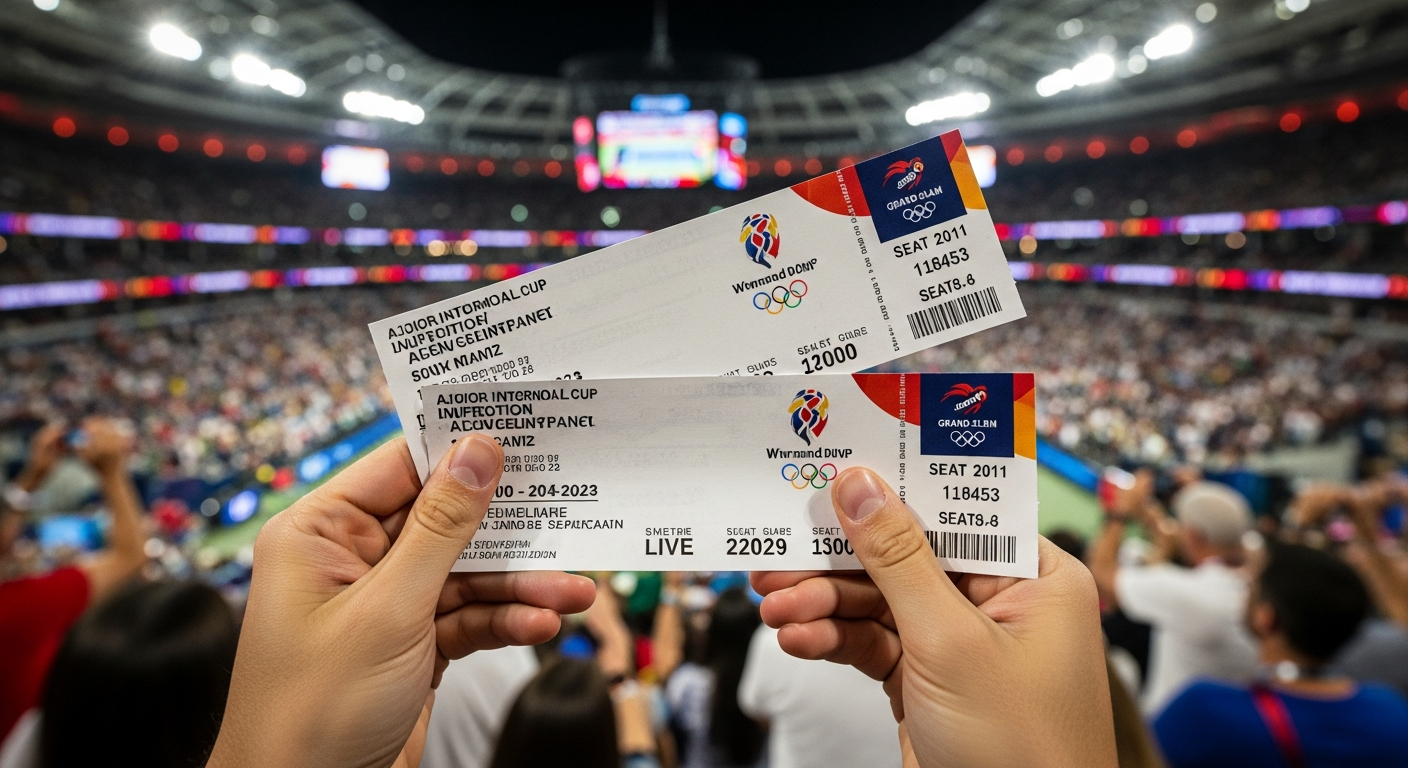
FIFA World Cup tickets are the holy grail for football fans worldwide. The quadrennial tournament brings nations together in a celebration of athleticism, passion, and national pride. With the 2026 edition set to be hosted across North America – in the United States, Canada, and Mexico – anticipation is already reaching fever pitch. This guide provides a comprehensive overview of everything you need to know about securing your spot in the stands, from understanding the ticketing process to maximizing your chances and avoiding scams. Prepare yourself for a challenging but potentially rewarding journey towards witnessing history in the making.
Understanding the FIFA World Cup Ticketing Process
Securing tickets for the FIFA World Cup is notoriously competitive. FIFA, the governing body of football, manages the ticketing process directly, aiming for fairness and transparency. However, the high demand often leads to complicated procedures and intense competition. Understanding the process is the first step to improving your chances.
Registration and Application
The first step is to register an account on the official FIFA ticketing website. This usually opens well in advance of the tournament, sometimes years before the first match. Registering early is crucial, as it ensures you receive updates and notifications about ticket sales phases. During each sales phase, you can apply for specific matches or ticket packages.
The application process typically involves selecting the matches you wish to attend, specifying the number of tickets you need, and choosing your preferred ticket category. Ticket categories usually vary in price and seating location, offering options for different budgets and preferences. It’s important to carefully consider your selections, as you may not be able to modify your application once submitted.
Balloting System
Due to the overwhelming demand, FIFA often employs a ballot system to allocate tickets. This means that submitting an application does not guarantee you’ll receive tickets. Instead, all applications are entered into a lottery, and tickets are randomly assigned to selected applicants. The ballot system aims to ensure fairness, giving everyone an equal chance, regardless of when they applied during the sales phase.
If your application is successful, you’ll receive a notification and be required to pay for your tickets within a specified timeframe. Failure to pay will result in your tickets being forfeited and offered to other applicants.
First-Come, First-Served Sales
In some cases, FIFA may also offer tickets on a first-come, first-served basis. These sales are typically announced in advance and are open to anyone who has registered an account on the ticketing website. However, due to the high demand, these sales often sell out within minutes, requiring speed and persistence to secure tickets.
Resale Platform
FIFA operates an official resale platform where fans can buy and sell tickets from each other at face value. This provides a safe and legitimate way to acquire tickets if you missed out during the initial sales phases or if your plans change. However, tickets on the resale platform are still subject to availability and can be highly competitive.
Always be wary of unofficial sources offering tickets, as these are often scams or involve inflated prices. Stick to the official FIFA channels to avoid disappointment and protect yourself from fraud.
Maximizing Your Chances of Securing FIFA World Cup Tickets
While the FIFA World Cup ticketing process relies heavily on luck, there are strategies you can employ to maximize your chances of securing tickets. By understanding the system and taking proactive steps, you can significantly improve your odds.
Apply for Multiple Matches and Categories
One of the most effective strategies is to apply for multiple matches and ticket categories. This increases your overall chances of being selected in the ballot. Consider applying for less popular matches or matches played in less accessible locations, as these may have lower demand. Similarly, be open to different ticket categories, as the higher-priced categories may have fewer applicants.
Don’t limit yourself to just the final or knockout stage matches. Group stage matches can offer a fantastic atmosphere and the opportunity to see a variety of teams in action. Plus, they are generally easier to secure tickets for.
Be Flexible with Your Travel Plans
Flexibility with your travel plans can also improve your chances. If you’re willing to travel to multiple cities or stay for an extended period, you can increase the number of matches you apply for. This not only increases your chances of getting tickets but also allows you to experience more of the tournament atmosphere.
Consider booking your travel arrangements in advance, but make sure they are flexible and refundable in case you don’t get the tickets you want. Booking accommodation and flights early can often save you money, even if you need to make adjustments later.
Stay Informed and Act Quickly
Staying informed about the ticketing process is crucial. Sign up for email alerts from FIFA and follow their official social media channels to receive updates about sales phases, deadlines, and any changes to the process. When a sales phase opens, be prepared to act quickly and submit your application as soon as possible.
Don’t wait until the last minute to apply. While the ballot system aims to give everyone an equal chance, submitting your application early shows your commitment and ensures you don’t miss any deadlines.
Consider Hospitality Packages
If you’re looking for a guaranteed way to secure tickets, consider purchasing hospitality packages. These packages typically include match tickets, access to exclusive lounges, food and beverages, and other amenities. While hospitality packages are significantly more expensive than regular tickets, they offer a premium experience and guarantee your entry to the match.
Hospitality packages are often sold through official FIFA partners, so make sure to purchase them from legitimate sources. Be wary of unofficial vendors offering hospitality packages, as these may be scams or involve inflated prices.
Participate in Contests and Promotions
Keep an eye out for contests and promotions offering FIFA World Cup tickets. Many sponsors and partners of the tournament run competitions and giveaways, providing an opportunity to win tickets. While the odds of winning may be slim, it’s worth participating, as it’s a free and easy way to increase your chances.
Follow the official social media channels of FIFA and its sponsors to stay informed about any contests or promotions. Be sure to read the terms and conditions carefully before entering any competition.
Avoiding Scams and Unofficial Sources
The high demand for FIFA World Cup tickets attracts scammers and unofficial vendors looking to exploit fans. It’s crucial to be vigilant and avoid purchasing tickets from unauthorized sources to protect yourself from fraud and disappointment.
Stick to Official Channels
The most important rule is to only purchase tickets through official FIFA channels, such as the official ticketing website and the resale platform. Avoid buying tickets from unofficial vendors, online marketplaces, or individuals offering tickets for sale.
Unofficial sources often sell counterfeit tickets or tickets that are not valid for entry. They may also charge inflated prices or disappear with your money without providing any tickets. Sticking to official channels ensures you’re buying legitimate tickets and are protected by FIFA’s consumer protection policies.
Be Wary of Too-Good-To-Be-True Offers
If an offer seems too good to be true, it probably is. Be wary of vendors offering tickets at significantly discounted prices or claiming to have exclusive access to tickets. These are often red flags for scams.
Remember that FIFA sets the official ticket prices, and any vendor offering tickets below these prices is likely to be illegitimate. Always do your research and verify the legitimacy of any vendor before making a purchase.
Check for Authenticity
If you’re buying tickets from the resale platform, carefully check the authenticity of the tickets before completing the transaction. Look for security features, such as watermarks, holograms, and unique serial numbers. Compare the tickets to examples provided on the official FIFA website.
If you have any doubts about the authenticity of a ticket, contact FIFA directly to verify its validity. It’s better to be safe than sorry and avoid purchasing a counterfeit ticket.
Use Secure Payment Methods
When purchasing tickets online, use secure payment methods, such as credit cards or PayPal. These methods offer buyer protection and allow you to dispute fraudulent transactions. Avoid using cash, wire transfers, or other methods that don’t provide buyer protection.
Be sure to check the website’s security certificate before entering your payment information. Look for the padlock icon in the address bar and ensure the website address starts with “https.”
Report Suspicious Activity
If you encounter any suspicious activity related to FIFA World Cup tickets, report it to FIFA immediately. This includes unauthorized vendors, counterfeit tickets, and any other scams or fraudulent schemes.
Reporting suspicious activity helps FIFA protect other fans from falling victim to scams and ensures the integrity of the ticketing process.
The 2026 FIFA World Cup: A Unique Opportunity
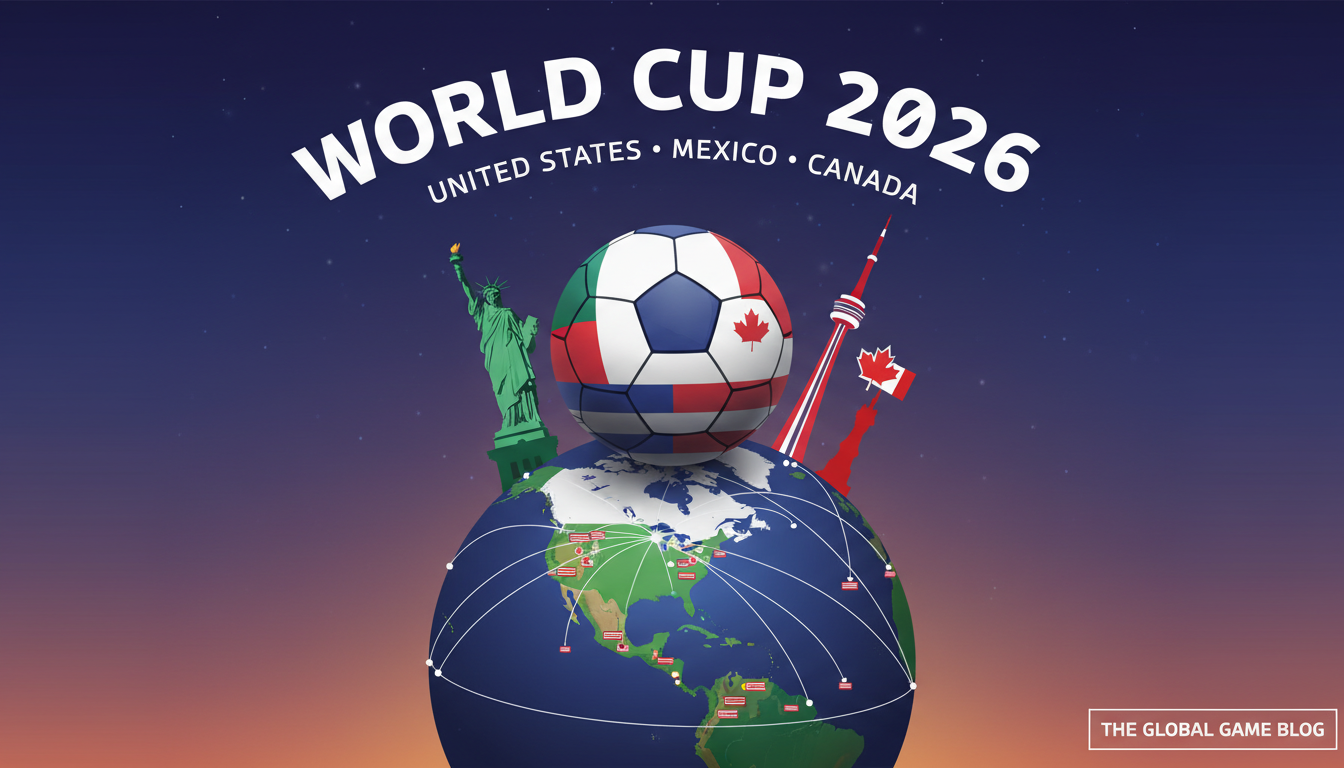
The 2026 FIFA World Cup presents a unique opportunity for football fans in North America and around the world. Hosted across the United States, Canada, and Mexico, this will be the first World Cup to feature 48 teams, promising more matches, more excitement, and more opportunities to witness history.
Expanded Tournament Format
The expansion to 48 teams means more countries will have the chance to compete on the world stage, creating a more diverse and inclusive tournament. It also means more matches for fans to enjoy, with the total number of games increasing from 64 to 104.
The expanded format is expected to generate even more interest in the tournament, making tickets even more competitive. So, it’s essential to start planning your ticketing strategy now.
North American Hosts
Hosting the World Cup across three countries offers a unique cultural experience for fans. Each host nation brings its own distinct atmosphere and traditions, creating a diverse and vibrant tournament environment.
The United States boasts world-class stadiums and infrastructure, while Canada and Mexico offer passionate football cultures and enthusiastic fan bases. Experiencing the World Cup in North America will be a truly unforgettable experience.
Economic Impact
The 2026 FIFA World Cup is expected to generate significant economic benefits for the host nations, creating jobs, boosting tourism, and stimulating local economies. The tournament will also leave a lasting legacy of improved infrastructure and increased interest in football.
The economic impact of the World Cup extends beyond the host cities, benefiting businesses and communities across North America.
Global Celebration
More than just a sporting event, the FIFA World Cup is a global celebration of football, culture, and unity. It brings people together from all corners of the world to share their passion for the beautiful game.
The 2026 World Cup promises to be the biggest and most inclusive tournament in history, offering a unique opportunity to witness the power of football to unite nations and inspire millions.
Exploring the Host Cities
The 2026 FIFA World Cup will be held across 16 host cities in the United States, Canada, and Mexico. Each city offers a unique blend of culture, history, and football passion, providing a diverse and exciting experience for fans.
United States
- Atlanta: A vibrant city with a strong football culture and world-class stadium.
- Boston: A historic city with a passionate sports fanbase and a modern stadium.
- Dallas: A sprawling metropolis with a rich football tradition and a state-of-the-art stadium.
- Houston: A diverse city with a thriving football community and a top-notch stadium.
- Kansas City: A city known for its passionate football fans and a dedicated stadium.
- Los Angeles: A glamorous city with a strong football presence and multiple world-class stadiums.
- Miami: A vibrant city with a diverse culture and a growing football fanbase.
- New York/New Jersey: A bustling metropolis with a global outlook and a state-of-the-art stadium.
- Philadelphia: A historic city with a passionate sports fanbase and a dedicated stadium.
- San Francisco Bay Area: A tech hub with a diverse population and a modern stadium.
- Seattle: A vibrant city with a strong football culture and a dedicated stadium.
Canada
- Toronto: A multicultural city with a growing football fanbase and a modern stadium.
- Vancouver: A scenic city with a passionate football community and a dedicated stadium.
Mexico
- Guadalajara: A historic city with a rich cultural heritage and a passionate football fanbase.
- Mexico City: A sprawling metropolis with a vibrant football culture and the iconic Estadio Azteca.
- Monterrey: A modern city with a strong industrial base and a dedicated football fanbase.
Each host city will offer a unique experience for fans, with a range of cultural attractions, entertainment options, and culinary delights. Exploring the host cities is an integral part of the World Cup experience.
The Impact of the Expanded Format on ‘fifa world cup tickets‘
The expansion of the FIFA World Cup to 48 teams in 2026 has a significant impact on the demand and distribution of fifa world cup tickets. More teams participating means more matches, and more matches translate to more tickets being available. However, it also intensifies the competition for these tickets.
Increased Ticket Availability
With the total number of matches increasing from 64 to 104, there will be a substantial increase in the number of fifa world cup tickets available. This provides more opportunities for fans to attend matches and experience the tournament firsthand.
The increased ticket availability may make it slightly easier to secure tickets, but the overall demand is still expected to be extremely high. It’s essential to employ effective strategies to maximize your chances of success.
Higher Overall Demand
The expanded format will also lead to higher overall demand for fifa world cup tickets. More countries participating means more fans eager to support their teams, both at home and abroad.
The increased demand will likely intensify the competition for tickets, making it even more challenging to secure the matches you want. It’s crucial to be prepared and act quickly when the sales phases open.
Potential for New Markets
The expanded format opens up the potential for new markets to emerge, with fans from countries that have never qualified for the World Cup before now having a greater chance to see their teams compete on the world stage.
This could lead to a shift in the geographical distribution of fifa world cup tickets, with more demand coming from emerging football nations.
Strategic Ticketing
The increased number of matches means fans will need to be more strategic in their ticketing applications. Applying for a wider range of matches, including those featuring less popular teams or played in less accessible locations, can increase your chances of success.
Consider targeting group stage matches or matches played in host cities that are less likely to attract large crowds. This can improve your odds of securing fifa world cup tickets.
Future of FIFA World Cup Ticketing
The FIFA World Cup ticketing process is constantly evolving, with FIFA exploring new technologies and strategies to improve the fan experience and ensure fairness. The future of FIFA World Cup ticketing is likely to be shaped by technological advancements and changing fan expectations.
Digital Ticketing
Digital ticketing is becoming increasingly prevalent in the sports industry, and the FIFA World Cup is likely to adopt digital tickets more widely in the future. Digital tickets offer several advantages, including increased security, reduced fraud, and a more convenient experience for fans.
Digital tickets can be easily transferred to other fans through official channels, eliminating the need for physical tickets and reducing the risk of counterfeiting. They can also be integrated with mobile apps, providing fans with easy access to match information, venue maps, and other relevant details.
Personalized Ticketing
Personalized ticketing involves tailoring the ticketing experience to individual fans based on their preferences, interests, and past behavior. This could involve offering personalized recommendations for matches, providing targeted discounts, and creating exclusive experiences for loyal fans.
Personalized ticketing can enhance the fan experience and increase engagement with the tournament. It can also help FIFA better understand its audience and improve its marketing efforts.
Blockchain Technology
Blockchain technology has the potential to revolutionize the FIFA World Cup ticketing process by providing a secure, transparent, and tamper-proof system for ticket sales and distribution.
Blockchain-based tickets can be easily verified, reducing the risk of counterfeiting and fraud. They can also be transferred securely and transparently, eliminating the need for intermediaries and reducing transaction costs.
Dynamic Pricing
Dynamic pricing involves adjusting ticket prices based on demand, time of purchase, and other factors. This allows FIFA to maximize revenue and ensure that tickets are priced fairly based on market conditions.
Dynamic pricing can be controversial, as it can lead to higher ticket prices for popular matches. However, it can also make tickets more affordable for less popular matches and ensure that all tickets are sold.
Virtual Reality Experiences
Virtual reality (VR) technology has the potential to transform the way fans experience the FIFA World Cup, providing immersive and interactive experiences that go beyond traditional stadium attendance.
VR experiences could allow fans to watch matches from different perspectives, interact with other fans in a virtual environment, and participate in virtual training sessions. This could create new opportunities for engagement and expand the reach of the tournament to a global audience.
Securing Your Spot: A Call to Action
The 2026 FIFA World Cup promises to be an unforgettable event. Don’t miss out on your chance to witness history in the making. Stay ahead of the game and subscribe now for the best soccer predictions! Get expert analysis, insider tips, and the latest news to enhance your enjoyment of the beautiful game. We offer in-depth coverage of the English Premier League and other top leagues, ensuring you’re always in the know.
Subscribe to Daily Soccer Picks Here!
The Long Road: The Qualification Process
Before any team can compete for the coveted trophy, they must navigate the grueling qualification process. This involves national teams from around the globe battling it out in regional confederations to secure their spot in the final tournament. The qualification process is a spectacle in itself, filled with dramatic upsets, thrilling victories, and heartbreaking defeats. Understanding the qualification pathways helps appreciate the journey each team undertakes to reach the World Cup.
Continental Confederations
FIFA’s 211 member associations are divided into six continental confederations: UEFA (Europe), AFC (Asia), CAF (Africa), CONCACAF (North and Central America and the Caribbean), CONMEBOL (South America), and OFC (Oceania). Each confederation has its own qualification format, reflecting the unique characteristics and competitive landscape of its region.
The number of slots allocated to each confederation is determined by FIFA based on various factors, including the relative strength of the confederation’s teams and its historical performance in the World Cup.
Qualification Formats
The qualification formats vary significantly across the confederations. Some confederations use a straightforward group stage format, where teams compete in a round-robin competition, with the top teams qualifying directly for the World Cup. Other confederations use a more complex format involving multiple rounds of playoffs and inter-confederation play-offs.
The specific format for each confederation is typically announced by FIFA well in advance of the start of the qualification process.
Key Qualification Matches
The qualification process is filled with key matches that can have a significant impact on a team’s chances of reaching the World Cup. These matches often involve direct rivals competing for qualification slots, and the stakes are incredibly high.
These matches can be a great opportunity to scout potential World Cup contenders and witness the passion and intensity of international football.
Unexpected Upsets
The qualification process is also known for its unexpected upsets, with underdog teams often defeating higher-ranked opponents. These upsets can shake up the qualification standings and create dramatic storylines.
These upsets demonstrate the unpredictability of football and the importance of never underestimating any team, regardless of its ranking.
The Financial Implications: Cost of Attending
Attending the FIFA World Cup can be an expensive undertaking, requiring careful budgeting and planning. The cost of attending varies depending on factors such as travel, accommodation, tickets, and expenses. Understanding the financial implications can help you make informed decisions and plan your trip accordingly.
Travel Costs
Travel costs are typically the largest expense for fans attending the World Cup. Flights to the host cities can be expensive, especially during peak season. It’s important to book your flights well in advance to secure the best deals.
Consider flying to a nearby city and then taking a train or bus to your final destination. This can often save you money on airfare.
Accommodation Costs
Accommodation costs can also be significant, especially in popular host cities. Hotels and other lodging options tend to be more expensive during the World Cup due to increased demand.
Consider staying in alternative accommodation options, such as Airbnb or hostels. These can often be more affordable than hotels.
Ticket Costs
Ticket costs are a major expense for fans attending the World Cup. As mentioned earlier, fifa world cup tickets can be expensive, especially for popular matches. Be sure to factor ticket costs into your budget.
Consider applying for less popular matches or ticket categories to save money.
Other Expenses
In addition to travel, accommodation, and tickets, there are other expenses to consider, such as food, drinks, transportation, and souvenirs.
Set a daily budget for these expenses and stick to it. This will help you avoid overspending.
The Legacy of the World Cup: Beyond the Game
The FIFA World Cup leaves a lasting legacy that extends far beyond the final whistle. The tournament has a significant impact on host nations, communities, and the sport of football itself. Understanding the legacy of the World Cup helps appreciate its broader significance.
Infrastructure Development
Hosting the World Cup often leads to significant infrastructure development in the host nations. This includes new stadiums, improved transportation networks, and upgraded facilities.
These infrastructure improvements can benefit the host nations for years to come.
Economic Benefits
The World Cup can generate significant economic benefits for the host nations, creating jobs, boosting tourism, and stimulating local economies.
These economic benefits can have a lasting impact on the host nations.
Social Impact
The World Cup can have a positive social impact, promoting unity, cultural exchange, and community development.
The tournament can bring people together from all corners of the world to celebrate the sport of football and promote understanding and respect.
Increased Interest in Football
The World Cup can significantly increase interest in football, both in the host nations and around the world. This can lead to increased participation in the sport at all levels, from youth leagues to professional clubs.
The tournament can inspire a new generation of footballers and fans.
Global Exposure
Hosting the World Cup provides host nations with significant global exposure, showcasing their culture, attractions, and capabilities to a global audience.
This global exposure can boost tourism and attract investment.
Conclusion: Embarking on the World Cup Journey
Securing fifa world cup tickets for the 2026 tournament is a challenging but potentially rewarding endeavor. By understanding the ticketing process, maximizing your chances, avoiding scams, and planning your trip carefully, you can significantly increase your odds of witnessing history in the making. Remember to stay informed, act quickly, and be flexible with your plans. The FIFA World Cup is more than just a sporting event; it’s a global celebration of football, culture, and unity. Embrace the experience, soak in the atmosphere, and create memories that will last a lifetime. Good luck, and may the odds be ever in your favor!