
I. Introduction: The Blue and White Heartbeat
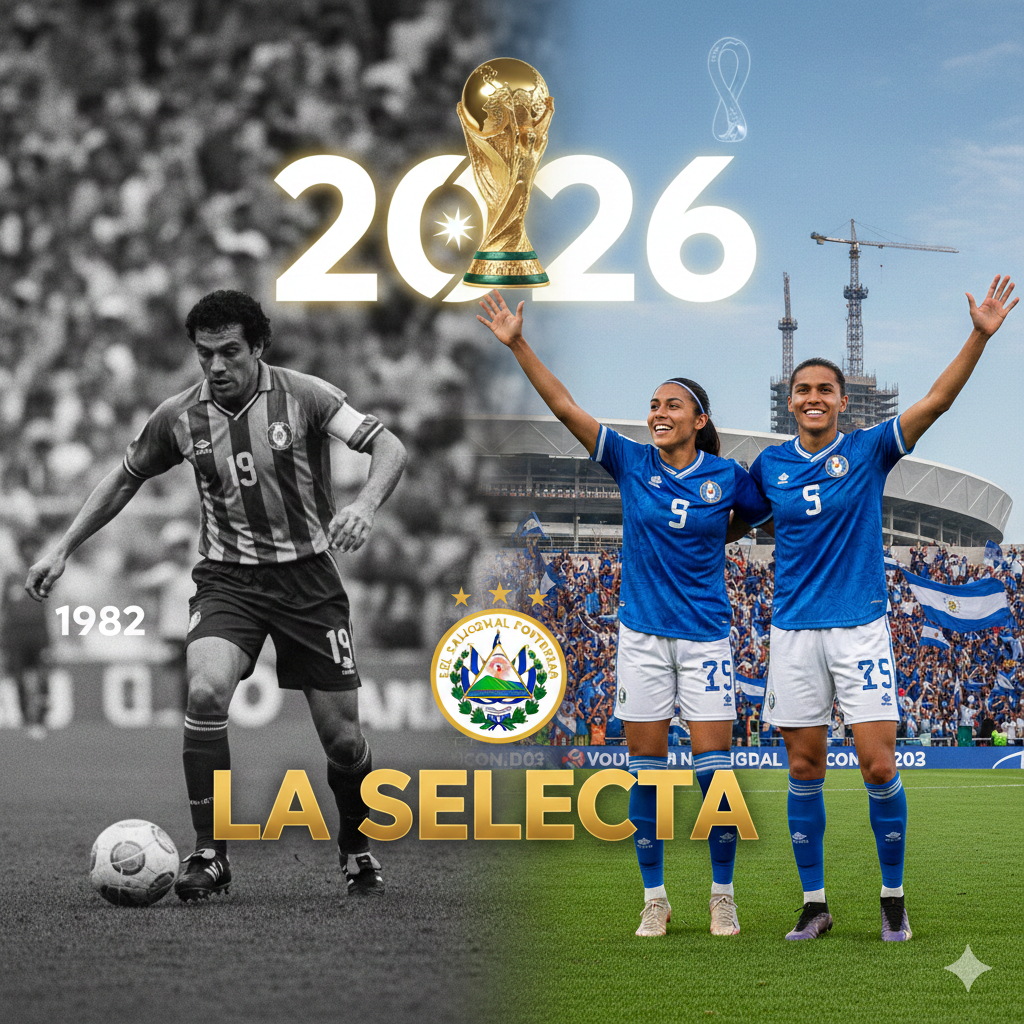
The roar is deafening. It’s a collective surge of emotion, a sound that vibrates through the concrete stands of Estadio Cuscatlán, the venerable “Colossus of Montserrat.” This noise is more than just cheering; it is the sound of a nation united, the pulse of a people poured into the moment. This is the atmosphere generated by the El Salvador National Football Team, affectionately known across the globe as La Selecta (The Select).
For a nation marked by complexity, resilience, and a vibrant cultural heritage, football is never just a game. It is a mirror reflecting the country’s spirit, a powerful source of collective pride that transcends political divides and geographic distance. The el salvador national football team carries an emotional weight few sporting teams experience, representing the dreams of millions at home and the expansive diaspora scattered worldwide.
The story of Salvadoran football is a rich tapestry woven with threads of improbable triumph, heartbreaking challenge, and the unforgettable genius of legends like Mágico González. While the journey has included glorious highs, such as their historic World Cup appearances in 1970 and 1982, it has also navigated difficult decades of drought and systemic rebuilding.
This post will explore that profound narrative. We will chronicle the historic moments that forged the team’s legacy, examine the promising new generation of “rising stars,” and analyze the ambitious road ahead as La Selecta seeks to cement their future glory by conquering the biggest challenge in Salvadoran football: a return to the FIFA World Cup stage in 2026. The enduring passion, the commitment to the blue and white, ensures that the heartbeat of Salvadoran football remains strong.
Table of Contents
II. The Genesis: Establishing Salvadoran Football History
The foundation of the El Salvador National Football Team stretches back over a century, rooted in the nation’s burgeoning interest in modern sports during the early 20th century. The team’s official start coincided with a moment of national pride, playing its first official international match in 1921 during the Independence Centenary Games held in Guatemala. While the early decades were marked by organizational growing pains and intermittent participation, the team, often known then simply as the national eleven, began to establish its regional identity.
The 1940s and 1950s saw La Selecta secure its first tangible successes. These years provided crucial evidence of the team’s potential within Central America and the Caribbean. A notable achievement came in 1943 when El Salvador secured the CCCF Championship (predecessor to the CONCACAF Gold Cup), signaling that Salvadoran footballwas a force to be reckoned with regionally. This period of regional dominance helped galvanize local support and professionalize the structure of the domestic league.
The First World Cup Dream (1970)
The defining moment of early Salvadoran football history arrived with the qualification campaign for the 1970 FIFA World Cup in Mexico. This campaign, however, remains inextricably linked to one of the most tragic and misunderstood chapters in the team’s history: the qualifying matches against neighboring Honduras.
The decisive matches played in 1969 were the catalyst for the brief but devastating conflict known as the “Football War” (La Guerra del Fútbol). While commonly associated with the rivalry between La Selecta and the Honduran team, the conflict’s roots were, in reality, deep-seated political and economic disputes, specifically relating to land reform and migration across the shared border. The intense atmosphere surrounding the World Cup qualifiers merely served as the spark that ignited the already volatile geopolitical situation.
El Salvador ultimately prevailed in a dramatic playoff match held in Mexico City, securing their very first qualification for the World Cup finals. This achievement was a monumental source of national pride, offering a brief, powerful sense of unity during a fraught time. Although the subsequent performance at the 1970 tournament, resulting in three losses and zero goals—was humbling on the global stage, the qualification itself remains a seminal moment. It demonstrated that even amidst national turmoil, the el salvador national football team had the capability to reach football’s biggest stage, setting a precedent for future generations of Salvadoran football stars to aspire to.
III. The Historic Apex: Mágico and the 1982 Campaign
The greatest triumph in the history of Salvadoran football arrived with the 1982 World Cup in Spain. For the second time, and the last time to date, La Selecta had navigated the grueling CONCACAF qualifiers, defeating strong teams to earn a coveted place among the world’s elite. This campaign was less shadowed by political conflict than the 1970 run, but it was illuminated by the presence of a singular, incandescent talent: Jorge “El Mágico” González.
The Legend of Mágico González
To discuss the 1982 squad is to pay tribute to the genius of “Mágico.” Jorge Alberto González Barillas remains, without question, the most iconic and highly skilled footballer ever produced by El Salvador and arguably one of the greatest from the entire CONCACAF region. A slender, highly creative forward, his skill set was defined by his extraordinary ball control, quick feet, and unpredictable dribbling. His style was pure fantasy, a joyous rejection of tactical rigidity.
Mágico’s performances during the 1982 tournament, despite the team’s overall struggles, caught the eye of European scouts. He quickly became a cult hero at Spain’s Cádiz CF, a club he would define for years. His legacy is so profound that contemporaries, including Diego Maradona, were captivated by his ability. Maradona himself called Mágico “one of the ten best players I have ever seen” and admitted that other players tried in vain to imitate his unique tricks and flair.
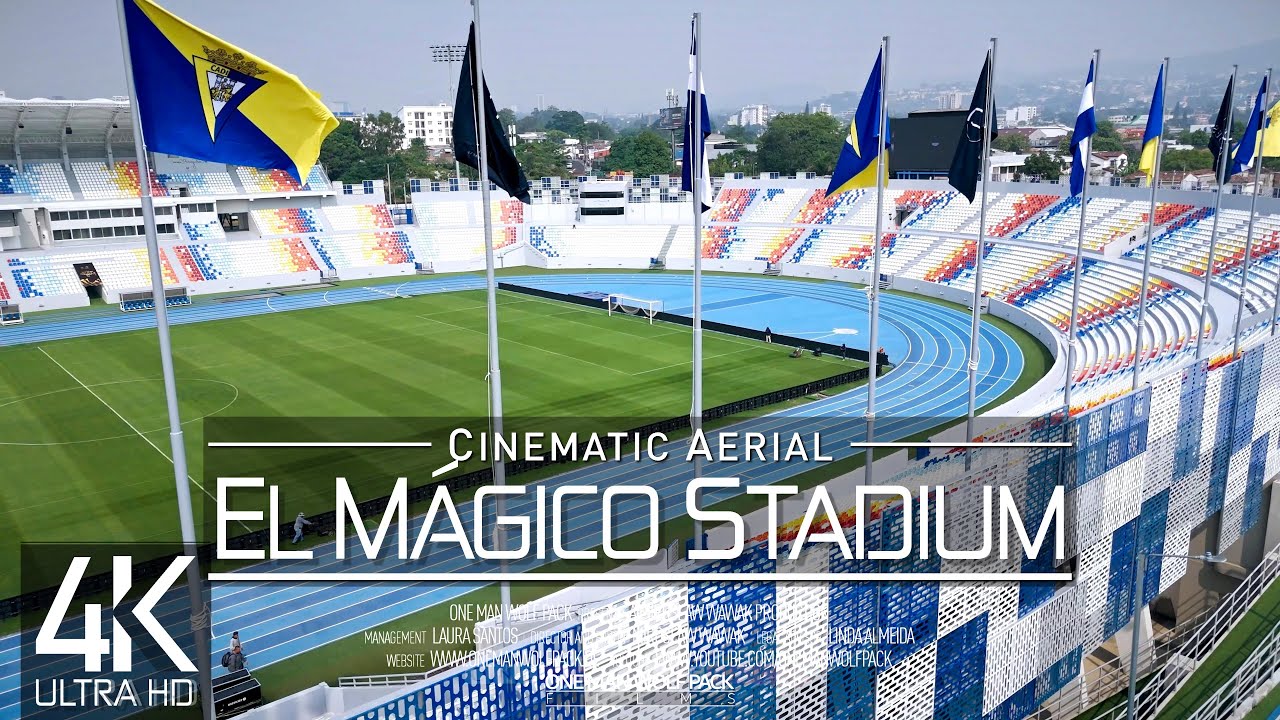
His refusal to conform to the strict discipline of modern professional football, often prioritizing fun over regime, only added to the mystique, cementing his status as the ultimate bohemian football artist. His enduring cultural importance is underscored by the fact that El Salvador’s national stadium, the Flor Blanca, was later renamed the Estadio Nacional Jorge “El Mágico” González in his honor.
The 10-1 Defeat and its Silver Lining
The tournament itself began with the most sobering reality check in the history of the el salvador national football team. Their opening match against Hungary on June 15, 1982, ended in a devastating 10-1 defeat, a scoreline that remains the largest margin of victory in FIFA World Cup history. The loss was a perfect storm of an overly aggressive and “monumentally ill-conceived” tactical plan from Salvadoran coach Mauricio “Pipo” Rodríguez, poor preparation (the team was the last to arrive and traveled with only 20 players due to budget issues and mismanagement), and a clinical Hungarian side.
However, amidst the statistical carnage, a moment of profound national pride emerged. In the 64th minute, forward Luis Ramírez Zapata, nicknamed El Pele, scored La Selecta’s lone goal. At a moment when the score was already 5-0 to Hungary, Ramírez’s strike cut the deficit and sparked a wild, euphoric celebration.
The goal was significant for two reasons:
- It was El Salvador’s first-ever goal in a World Cup final tournament (they had failed to score in 1970).
- It remains the only goal El Salvador has ever scored in its two World Cup appearances.
Though the team went on to lose their remaining group matches 1-0 to Belgium and 2-0 to eventual champions Argentina, their subsequent performances were far more respectable, demonstrating that the quality of Salvadoran football was not truly reflected in the shocking opening scoreline. The goal by Ramírez, and the dazzling, uncontainable skills of Mágico González, are the two lasting images that ensure the 1982 campaign is remembered not just for the defeat, but for the indelible, resilient mark La Selecta left on the global stage.
You can also watch a documentary about the legendary player of the el salvador national football team in this video: J. J. LOU – DOCUMENTARY “MÁGICO GONZÁLEZ: THE SALVADORAN LEGEND”.
【4K】 Estadio Nacional Jorge “El Mágico” Gonzáles from Above EL SALVADOR 2025 Wolf Aerial™ Drone – YouTube
IV. The Long Interregnum: Drought, Corruption, and Resilience
Following the brief but glorious spectacle of the 1982 World Cup, Salvadoran football entered a prolonged and challenging period that continues to define its recent history. The subsequent four decades have been marked by a failure to qualify for any major World Cup, a systemic decline driven by both internal and external factors. This “long interregnum” tested the patience of fans but also highlighted the deep-seated resilience of the nation’s passion for La Selecta.
Systemic Failures and the World Cup Drought
The decline was not simply a lack of talent; it was structural. The country’s internal strife, including the devastating Salvadoran Civil War (1979–1992), severely hampered the development of professional football. Funding was scarce, infrastructure decayed, and consistent coaching was impossible to maintain.
Even after the peace accords, Salvadoran football struggled due to a combination of problems that have yet to be fully resolved:
- Lack of Professionalism: The domestic league (Primera División) often suffered from poor facilities, inconsistent payment for players, and a failure to invest in scientific training, nutrition, and psychology, all essential components for competing globally.
- Administrative Incompetence: The Salvadoran Football Federation (FESFUT) was often criticized for mismanagement and short-sightedness, exemplified even by the pre-1982 scandal where officials allegedly took the place of qualified players on the World Cup trip for personal vacation.
These factors left the el salvador national football team perpetually behind regional rivals like Mexico, the United States, and Costa Rica in terms of preparation and professional standards.
The Darkest Chapter (Match-Fixing)
The lowest point in the modern history of Salvadoran football arrived in the early 2010s with the devastating revelation of widespread match-fixing. Multiple international matches, including friendlies and games played in the CONCACAF Gold Cup, were found to have been manipulated by a network of international fixers.
This scandal was a catastrophic breach of trust, severely damaging the reputation of the team and the morale of the country. In 2013, the federation took drastic, necessary action, handing down lifetime bans to 14 international players, including some of the country’s best-known and most experienced athletes. The lifetime suspensions against players like Alfredo Pacheco, Osael Romero, and Dennis Alas were a painful, cleansing moment.
While devastating, the incident forced a deep reckoning within Salvadoran football. The resulting exodus of senior talent required the national team to completely rebuild its roster with young, unproven players. Though initially painful in terms of results, this forced transition cleared the air and laid the foundation for the new, determined generation that would emerge in the decade to follow.
The Gold Cup as a Benchmark
Despite the drought, the el salvador national football team never disappeared from the regional scene. Their consistent participation in the CONCACAF Gold Cup and the CONCACAF Nations League has provided the essential, high-level testing ground that keeps the team competitive. Though they often fall in the quarter-final stages, these tournaments underscore a fundamental resilience, proving that the passion and the core of talent in Salvadoran football endures, always ready to compete fiercely with regional powerhouses.
V. The Diaspora and the New Guard: Rising Stars
The current era of Salvadoran football is defined by a strategic and necessary pivot: harnessing the talent of the global diaspora. Recognizing that millions of Salvadorans and their descendants reside outside the country, the national team administration, led by recent technical staff, actively began recruiting dual-national players. This shift has not only boosted the team’s depth and technical skill but has also created a powerful new cultural link, uniting the fan bases at home and abroad under the banner of the el salvador national football team.
The Strategic Shift and Diaspora Power
The recruitment of diaspora talent, primarily from the United States and Canada, where many promising young players are developing in the MLS, USL, and collegiate systems, has instantly injected a level of professionalism and international exposure that was often lacking in the local league. These players arrive with experience playing in highly competitive, well-funded environments, which raises the overall standard of the entire squad.
The impact of this strategy is evident in the inclusion of several key players:
- Alex Roldan: A prominent example, Roldan plays as a defender/midfielder for the MLS’s Seattle Sounders. His consistent, top-level play provides leadership and defensive discipline crucial for a team competing in the tough CONCACAF region. His dual-national status allowed him to commit to the el salvador national football team, becoming an immediate standout.
- Tomás Romero: A young goalkeeper who developed in the U.S. system, Romero represents the infusion of modern goalkeeping techniques and confidence needed for international success.
- Enrico Dueñas Hernández: An attacking midfielder who has gained experience playing in Europe (e.g., the Netherlands), Dueñas brings tactical intelligence and creativity to the final third, offering a different dimension to Salvadoran football’s attacking phase.
Key Rising Stars Driving the Future
Beyond the established diaspora players, several genuine rising stars are now setting the tone for the next decade of Salvadoran football:
- Brayan Gil: A young center-forward who has been playing abroad in European leagues, Gil is a crucial piece of the attack. His age and experience in diverse leagues make him one of the most promising goal-scoring threats.
- Jairo Henríquez: An established midfielder who provides key goals and assists, Henríquez has been identified as a reliable threat in the attacking midfield role, creating chances for his teammates.
- Harold Osorio: A highly-touted young central midfielder, Osorio is a product of the youth system, now playing in MLS Next Pro, representing the successful pipeline that is now feeding the senior squad. His commitment underscores the combined effort of local development and international experience.
- Nathan Ordaz: Another young forward, Ordaz, is emerging from the MLS talent pool as a potential star. Players like him, along with others like Jeremy Garay (midfielder) and Tomás Romero (goalkeeper), are actively competing for starting spots, forcing the entire squad to perform at a higher level.
A New Culture of Development
Crucially, the focus on youth is extending beyond simply recruiting diaspora players. The Salvadoran Football Federation (FESFUT) is also implementing structural changes at home. A historic achievement underscored this commitment: the El Salvador U-17 team successfully qualified for the FIFA U-17 World Cup for the first time in the nation’s history.
This landmark youth qualification is not accidental; it is the result of dedicated investment in infrastructure, including the FIFA-supported Villa Selecta training complex, and the implementation of better coaching and sports science at the youth levels. These “bottom-up” changes ensure that the talent brought in by the diaspora is complemented by a stronger domestic foundation. This blended talent pool, where the rising stars from the local leagues push the rising stars from the diaspora, creates a new, competitive culture that is essential for the long-term success of the el salvador national football team. The current trajectory of Salvadoran football is heavily reliant on this blend of local and international talent, transforming the team into a dynamic, modern entity.
VI. The Road to 2026: Ambition and Reality
The current chapter of Salvadoran football is defined by one single, all-consuming objective: breaking the 44-year World Cup qualification drought by reaching the 2026 FIFA World Cup, hosted by the CONCACAF neighbors Canada, Mexico, and the United States. This ambition is fueled by a sense of historical imperative and is underpinned by tangible administrative and structural developments.
The 48-Team Opportunity
The expansion of the World Cup to 48 teams, and the automatic qualification of the three North American hosts, has drastically altered the competitive landscape of the CONCACAF region. This change has created several new qualification slots, offering the el salvador national football team their most realistic chance in decades to return to the global tournament. For a country that has been perpetually knocking at the door during qualifiers, the expanded format is a window of opportunity they cannot afford to miss. The entire current strategy of Salvadoran football is geared toward capitalizing on this opportunity.
Coaching, Strategy, and the New Stadium
To navigate the complex qualifying rounds, the federation has often turned to experienced leadership. The appointment of coaches like Hernán Darío Gómez (“El Bolillo”), a veteran manager who has successfully guided three different national teams (Colombia, Ecuador, and Panama) to World Cups, reflects a serious intent to instill a winning mentality and tactical discipline. The strategy often focuses on defensive organization, transitioning quickly with the pace of their new diaspora players, and relying on the intense home-field advantage.
This advantage will be amplified by major infrastructure investments:
- Villa Selecta: The inauguration of this new, modern national team residency and training center, funded partially by the FIFA Forward Programme, provides La Selecta with professional, dedicated facilities for year-round training, a crucial step toward modernizing Salvadoran football.
- New National Stadium: A massive, modern 50,000-seat national stadium, funded by China, is currently under construction. Set to open around 2027, this arena will replace the historic Estadio Cuscatlán as the permanent, state-of-the-art home of the el salvador national football team, symbolizing the nation’s commitment to future football glory.
The Reality Check
Despite the optimism, the path remains fraught with difficulty. Recent results in the CONCACAF World Cup qualifiers have shown that Salvadoran football still faces challenges maintaining consistency against rising regional rivals like Panama, Suriname, and Curacao, who are also benefiting from the expanded format. The road to 2026 will require not just talent, but unwavering consistency, tactical flexibility, and the full utilization of their talented, globalized roster. The dream of reaching the World Cup rests heavily on the new generation’s ability to turn potential into consistent results in the remaining qualifying windows.
VII. Conclusion: A Nation United by the Game
The story of the El Salvador National Football Team is a powerful testament to endurance, passion, and the unifying force of sport. We have charted a historical course filled with legendary figures like “Mágico” González, whose magical feet brought global recognition to Salvadoran football in the 1982 World Cup, and moments of profound, albeit politically charged, national significance like the 1970 qualification run. We have also examined the challenging decades that followed, marked by necessary institutional cleansing after the match-fixing scandals.
Today, La Selecta stands at a pivotal crossroad. The new era is defined by the infusion of highly skilled diaspora talent, the rising stars from the US and Europe, blending seamlessly with committed players from the reformed domestic league. This strategic shift, backed by new infrastructure like the Villa Selecta training center, gives the el salvador national football team a renewed technical edge and a powerful sense of national cohesion.
The ambition for the 2026 World Cup is more than a sporting goal; it is a collective prayer and a rallying cry for the entire Salvadoran community, both at home and among the diaspora who often drive hundreds of miles to create an electric atmosphere at away games. The fervent, unmatched passion with which Salvadorans sing their national anthem before a match is not just a song; it is a declaration of identity and hope.
The future of the el salvador national football team is now being written by this determined new generation. Their capacity to turn potential into consistent results in the upcoming CONCACAF competitions will define whether this period is remembered simply as one of ambition, or as the long-awaited return to World Cup glory. Regardless of the outcome, the enduring spirit and unwavering support for the el salvador national football team will continue to serve as the nation’s true blue and white heartbeat.
Subscribe for the Best Predictions
Do you want to stay ahead of the game on the El Salvador National Football Team‘s journey to 2026?
The path to World Cup glory requires meticulous analysis, expert insight, and the ability to predict how La Selecta‘s rising stars will perform on the biggest stages. Don’t miss out on the strategic breakdowns of upcoming CONCACAF Nations League and Gold Cup matches, or the crucial insights into player form and squad selection.
We analyze the tactics, the opponent, and the key players to give you informed forecasts you won’t find anywhere else.
Join the Inner Circle of La Selecta Fans!
Enter your email below to receive our exclusive newsletter, which includes:
- In-Depth Previews: Detailed analysis of every match the el salvador national football team plays.
- Predictive Models: Our expert projections for the outcome of crucial World Cup qualifiers.
- Star Watch: Exclusive focus on the performance and potential of La Selecta‘s diaspora stars.
- Transfer Rumors: Updates on where the key players in Salvadoran football are heading next.
Don’t just watch the game—predict it!