

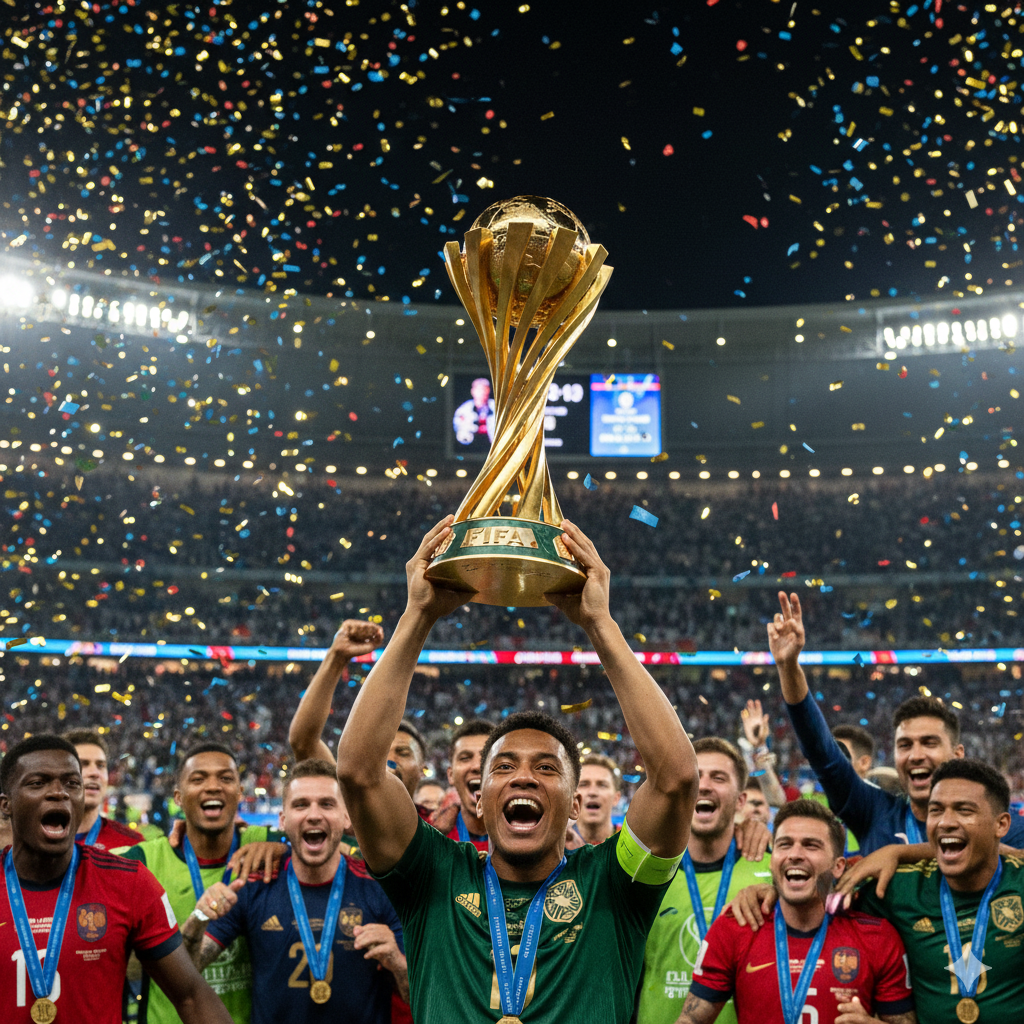
The FIFA Club World Cup, a tournament that brings together the champions of each continental confederation, consistently delivers drama, passion, and unforgettable football. While it might not always grab the headlines like some other major competitions, it has a rich history of showcasing incredible talent and creating iconic moments that have captivated fans across the globe since its modern inception in 2000.
From dominant European giants to surprise packages from other continents, the Club World Cup is a true melting pot of global football. Let’s take a comprehensive stroll down memory lane and relive some of the most captivating stories and thrilling encounters that have graced this unique tournament over the past quarter-century.
Table of Contents
The Origins and Evolution of the Tournament
The FIFA Club World Cup emerged from the legacy of the Intercontinental Cup, which traditionally pitted the champions of Europe against South America from 1960 to 2004. However, football administrators recognized the need for a truly global championship that would include representatives from all continents. The inaugural FIFA Club World Championship took place in Brazil in 2000, marking a watershed moment for club football.
The tournament has undergone several format changes throughout its history, evolving from an eight-team competition in 2000 to a seven-team format that remained standard until 2025. Each edition has featured the reigning champions from UEFA (Europe), CONMEBOL (South America), CONCACAF (North and Central America), CAF (Africa), AFC (Asia), and OFC (Oceania), along with the host nation’s league champion. This structure created fascinating matchups between clubs that would otherwise never meet, offering a genuine test of which continental style of play reigns supreme.
The Rise of the Underdogs
One of the most appealing aspects of the Club World Cup is the opportunity for teams outside of Europe and South America to test themselves against the world’s best and occasionally pull off remarkable upsets that capture the imagination of football fans worldwide.
TP Mazembe: Africa’s Trailblazers
The 2010 edition delivered one of the tournament’s most memorable underdog stories when TP Mazembe of the Democratic Republic of Congo became the first African team to reach the FIFA Club World Cup final. Their journey to Abu Dhabi was already the stuff of legend, having won the CAF Champions League, but what they accomplished at the Club World Cup exceeded all expectations.
In the quarter-finals, TP Mazembe defeated Mexican side Pachuca 1-0, with striker Bedi Mbenza scoring the decisive goal in the 21st minute. But it was their semi-final performance that truly shocked the football world. Facing Brazilian powerhouse Internacional, the reigning Copa Libertadores champions, Mazembe pulled off a stunning 2-0 victory, becoming the first team from outside Europe or South America to reach the tournament’s showcase final.
What made Mazembe’s run even more memorable was goalkeeper Robert Kidiaba’s unique celebration—gleefully scooting around the penalty area on his backside after crucial saves and victories. His antics became a viral sensation and perfectly captured the joy and pride that the Congolese club brought to the competition. Though they ultimately fell 3-0 to Inter Milan in the final, with goals from Goran Pandev, Samuel Eto’o, and Jonathan Biabiany, their achievement opened doors and inspired countless teams across Africa and beyond. It marked the first time that a club from outside Europe or South America contested the Club World Cup final.
Kashima Antlers: Asia’s Finest Hour
The 2016 edition delivered another remarkable underdog story when Kashima Antlers became the first Asian club to reach the FIFA Club World Cup final. The Japanese champions shocked the football world with their spirited performance against mighty Real Madrid in Yokohama, playing in front of a passionate home crowd that created an electric atmosphere.
Midfielder Gaku Shibasaki scored twice to put Kashima ahead 2-1 in the second half, sending the stadium into absolute delirium and giving hope that an unprecedented upset was within reach. For nearly 30 minutes, Kashima led the Spanish giants, defending heroically and threatening on the counter-attack. Although Cristiano Ronaldo eventually completed a hat-trick in extra time to secure a 4-2 victory for Real Madrid, Kashima’s performance proved that Asian clubs could compete at the highest level and deserve respect on the global stage.
The match also made history for another reason: it marked the first time that the video assistant referee (VAR) system was used to award a penalty in football, a technological innovation that would soon become standard in top-level competitions worldwide. This final showcased both a thrilling underdog story and the future of football officiating.
Raja Casablanca: Morocco’s Heroic Campaign
In 2013, Moroccan club Raja Casablanca embarked on one of the most inspiring runs in Club World Cup history. As the host nation’s representative, they entered the tournament with home advantage and a passionate fan base behind them, but few expected them to navigate the challenging path to the final.
Raja Casablanca defeated Auckland City 2-1 in the play-off round, Mexican club Monterrey 2-1 after extra time in the quarter-finals, and Brazilian club Atletico Mineiro 3-1 in the semi-finals to become the first Moroccan club to reach the FIFA Club World Cup final. Their upset of Atletico Mineiro, featuring the legendary Ronaldinho, was particularly impressive and demonstrated that with tactical discipline and passionate support, anything is possible in football.
The final against Bayern Munich proved a step too far for the Moroccan champions. Bayern defender Dante opened the scoring in the seventh minute after Jérôme Boateng headed Xherdan Shaqiri’s corner into his path, and Thiago added a second in the 22nd minute with a precise right-footed shot from the edge of the penalty area. Despite the 2-0 defeat, Raja Casablanca had achieved something historic—they became only the second African finalist after TP Mazembe and proved that African clubs could compete with the elite from other continents.
European Dominance and Tactical Mastery
While upsets are a thrilling part of the tournament, the Club World Cup has often been a stage for European powerhouses to assert their dominance and showcase the organizational and tactical superiority that has made UEFA the strongest confederation in club football.
Real Madrid’s Unprecedented Dynasty
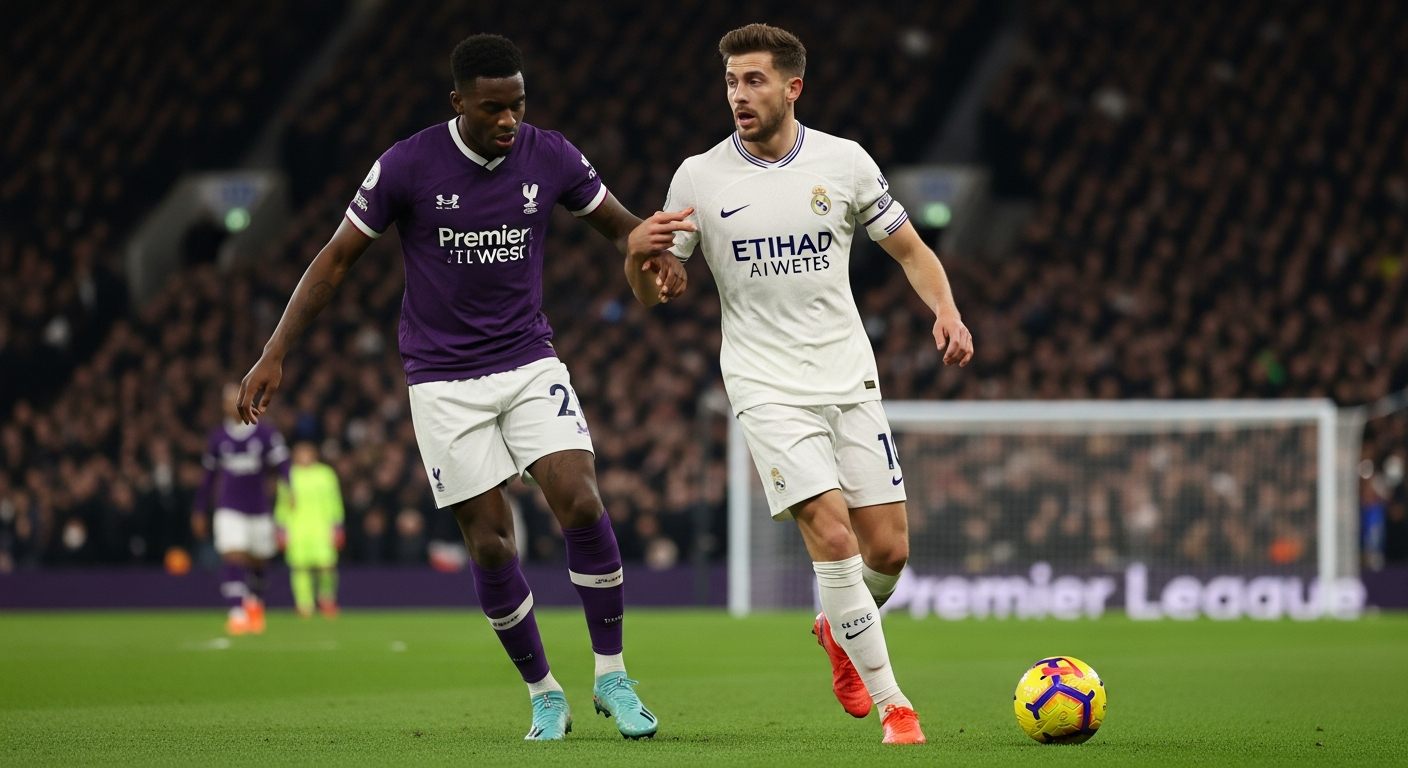
No club has dominated the Club World Cup quite like Real Madrid. Real Madrid have won the FIFA Club World Cup a record five times and also have the most wins (16) and most total goals scored in the competition (51). Their success in this tournament is unparalleled and reflects their sustained excellence at the highest level of European football.
Real Madrid won four Club World Cup titles during a five-year spell between 2014 and 2018, establishing themselves as the undisputed kings of the competition during one of the most dominant periods in their illustrious history. This remarkable run coincided with their historic three consecutive UEFA Champions League titles from 2016 to 2018, cementing their status as one of the greatest club sides in football history.
In 2017, Real Madrid became the first team in Club World Cup history to successfully defend their title, demonstrating their ability to maintain excellence across multiple campaigns and handle the unique pressures of competing while also managing domestic and European obligations. The Spanish giants treated the Club World Cup with the respect it deserved, fielding their strongest available lineups and approaching each match with professional intensity.
Their most recent triumph came in 2022, when they faced Saudi Arabian champions Al-Hilal in the highest-scoring final in the tournament’s history, winning 5-3 in a thrilling encounter that showcased their attacking firepower and resilience even when put under pressure.
Barcelona’s Historic Sextuple
Barcelona’s involvement in the Club World Cup has produced some of the tournament’s most memorable moments and significant milestones. In 2009, under the inspired guidance of Pep Guardiola and featuring Lionel Messi at the beginning of his prime, Barcelona aimed to become the first club in history to lift six trophies in the same calendar year when they faced Argentine side Estudiantes in the final in Abu Dhabi.
The match proved more difficult than expected. After Estudiantes took the lead in the first half, the match remained 1-0 until a dramatic 89th-minute equalizer from Pedro forced extra time, where Lionel Messi scored the winner in the 110th minute. The dramatic comeback completed Barcelona’s unprecedented sextuple—La Liga, Copa del Rey, UEFA Champions League, UEFA Super Cup, Spanish Super Cup, and the Club World Cup—a feat that seemed almost impossible to replicate.
However, football has a way of producing miracles. This incredible achievement was eventually matched by Bayern Munich, who completed the six-trophy clean sweep by winning the Club World Cup in 2020, following their own treble-winning campaign under Hansi Flick. Both clubs’ achievements highlighted not just their quality but also their ability to maintain focus and motivation across multiple competitions simultaneously.
Bayern Munich’s Clinical Excellence
Bayern Munich’s 2013 triumph in Morocco represented the culmination of one of the most dominant years in club football history. Having won the Bundesliga, DFB-Pokal, and UEFA Champions League under Jupp Heynckes, the Bavarian giants approached the Club World Cup under new manager Pep Guardiola with their characteristic efficiency and professionalism.
In the semi-final, Bayern defeated Asian Champions League winners Guangzhou Evergrande 3-0, with a double strike from Franck Ribéry and Mario Mandžukić putting them on course for the final shortly before half-time, before Mario Götze ensured the win immediately after the restart. The German champions demonstrated their squad depth and tactical sophistication even while missing key players like Arjen Robben and Bastian Schweinsteiger.
The final against Raja Casablanca unfolded much as expected, with Bayern’s superior technique and organization proving too much for the Moroccan underdogs despite the passionate home support. The 2-0 victory completed Bayern’s remarkable five-trophy haul in 2013 and established them as one of the most complete teams in football history.
South American Passion and Technical Brilliance
Brazilian clubs are probably more passionate about the Club World Cup than their counterparts from any other nation, treating it with a reverence that reflects the competition’s roots in the old Intercontinental Cup, which held immense prestige in South American football culture. Their record in the competition reflects this commitment and the technical brilliance that has long characterized Brazilian football.
Corinthians: The First Champions and Later Glory
The tournament began with an all-Brazilian final in 2000 when Corinthians defeated Vasco da Gama 4-3 on penalties after a 0-0 draw, becoming the first-ever FIFA Club World Cup champions. This achievement held special significance in Brazilian football, establishing Corinthians as pioneers in the competition’s history.
Twelve years later, Corinthians returned to the final with a point to prove. In the 2012 edition held in Japan, they faced European champions Chelsea in what many expected would be a straightforward victory for the English side. However, football rarely follows the script.
Corinthians defeated Chelsea 1–0 after a header from Paolo Guerrero, which meant Corinthians won their second FIFA Club World Cup twelve years after winning their first in 2000. The Peruvian striker’s goal in the 69th minute proved sufficient as Corinthians’ defense, marshaled brilliantly by goalkeeper Cássio, held firm against Chelsea’s increasingly desperate attacks. Chelsea’s Gary Cahill received a red card late in the match, and despite late pressure which included Juan Mata connecting with a post, the Blues were unable to find an equalizer.
This victory marked a significant moment in Club World Cup history. Since 2012, the Club World Cup has not been won by clubs from Brazil or any non-European nation, making Corinthians the last South American and non-European team to lift the trophy in the pre-expansion format. Their triumph demonstrated that with organization, determination, and a touch of brilliance, South American teams could still compete with Europe’s finest.
São Paulo and Internacional: Brazilian Pride
Other Brazilian clubs have also left their mark on the tournament. São Paulo’s 2005 triumph was particularly memorable, as they pulled off a stunning upset to defeat reigning UEFA Champions League winners Liverpool with a single goal, denying the English side the chance to add another trophy to their historic Champions League-winning season.
Internacional’s 2006 victory showcased the depth of Brazilian football talent beyond the traditional powerhouses. Their journey to the title demonstrated tactical intelligence and individual brilliance, proving that success in this competition required more than just reputation.
Shocking Upsets That Shook the Football World
Beyond the underdog runs to finals, the Club World Cup has delivered numerous shocking results in earlier rounds that have left fans stunned and reminded everyone that on any given day, anything can happen in football.
Manchester United’s Embarrassing Exit
In the inaugural 2000 edition, Champions League holders Manchester United were eliminated at the group stage following a shock 3-1 defeat at the hands of Vasco da Gama. The Brazilian side went all the way to the final, though they ultimately lost to Corinthians on penalties. Manchester United’s participation in that tournament remains controversial in English football history, as their absence from the FA Cup to compete in Brazil caused significant debate about priorities and respect for domestic competitions.
The defeat exposed Manchester United’s vulnerability when taken out of their familiar European environment and forced to compete in different conditions against unfamiliar opposition. It served as an early warning that the Club World Cup would not simply be a formality for European champions.
The African Quest Continues
The Club World Cup has been won by clubs from Brazil, Italy, England, Spain and Germany, but the trophy is yet to be lifted by a club representing the continent of Africa. African teams have come tantalizingly close on multiple occasions, with each near-miss fueling the dream that one day, an African club will finally break through.
Al-Ahly: Egypt’s Persistent Challengers
Egyptian giants Al-Ahly have been perhaps the most consistent African representatives at the Club World Cup. Al-Ahly played the largest number of matches in the Club World Cup tournament historically, with 22 matches, achieving victory in 9 matches while suffering 13 defeats. Their experience in the competition is unmatched among African clubs.
In 2006, Al-Ahly achieved the bronze medal for the first time in African history by defeating Club América 2–1 in Yokohama, establishing a precedent for African clubs reaching the podium. The club has participated in nine FIFA Club World Cups with their best performance being third place at the 2006, 2020, 2021, and 2023 editions, demonstrating remarkable consistency even if the ultimate prize has remained elusive.
One of their most memorable performances came in 2020 when Al-Ahly qualified for the 2020 FIFA Club World Cup and defeated hosts Al-Duhail in the first match of the tournament, sending Al-Ahly to its first official match with the European champions Bayern Munich in the semi-finals. Though they lost that match, the experience of competing against the best provided valuable lessons for African football.
The wait continues for an African champion, but with the tournament’s expansion and the continued growth and investment in African football, that breakthrough moment may be approaching. Each time an African team steps onto the pitch at the Club World Cup, they carry the hopes and dreams of an entire continent.
Individual Brilliance and Record-Breakers
The Club World Cup has been a showcase for some of football’s greatest talents, providing a stage where the world’s best players can demonstrate their skills against diverse opposition from across the globe.
Cristiano Ronaldo: Mr. Club World Cup
Cristiano Ronaldo is the overall top scorer in FIFA Club World Cup history, with seven goals, a record that reflects both his longevity at the elite level and his ability to perform on the biggest stages. His performances in the competition have often been decisive, none more so than his 2016 final heroics against Kashima Antlers.
Facing a determined Japanese side that had taken the lead, Ronaldo demonstrated why he is considered one of the greatest players in football history. His hat-trick, scored while coming from behind, epitomized his ability to deliver when his team needed him most. The Portuguese legend’s consistency in the competition has made him synonymous with Club World Cup success, and his record may stand for many years to come.
Toni Kroos: The Ultimate Winner
While Ronaldo leads in goals, Toni Kroos has won the tournament six times, the most titles for any player. The German midfielder’s remarkable collection of Club World Cup medals reflects his time at Bayern Munich and Real Madrid during their periods of continental dominance. His technical excellence, tactical intelligence, and ability to control the tempo of matches made him invaluable in these high-pressure encounters against unfamiliar opposition.
Kroos’s six titles demonstrate not just individual quality but also the ability to adapt and succeed in different team systems and under different managers. His legacy in the competition is secure as one of its most decorated participants.
Memorable Matches Beyond the Finals
While finals naturally receive the most attention, the Club World Cup has produced numerous memorable semi-finals and earlier rounds that deserve recognition for their drama, quality, and significance.
The 2016 Semi-Finals: Contrasting Styles
The 2016 semi-finals perfectly illustrated the diverse footballing cultures represented at the Club World Cup. On one side, Real Madrid faced Japan’s Club América in a match that showcased European tactical sophistication against Central American determination. On the other, Kashima Antlers’ upset victory in their semi-final set up their memorable final appearance.
These matches demonstrated that the tournament’s value extends beyond the final, providing opportunities for clubs to test themselves and learn from different playing styles and approaches to the game.
The Tournament’s Global Impact
The Club World Cup’s significance extends beyond the matches themselves. It provides a unique opportunity for players from smaller football nations to compete against the world’s best, gaining invaluable experience and exposure. For many players from Oceania, Asia, and Africa, these matches represent the pinnacle of their club careers and opportunities to showcase their talents to scouts and administrators from bigger leagues.
The tournament has also driven tactical innovation as coaches must prepare for unfamiliar opponents with limited scouting information. This challenge has led to fascinating strategic battles and forced teams to demonstrate adaptability and problem-solving skills under pressure.
For host nations, the Club World Cup provides an opportunity to demonstrate their organizational capabilities and passion for football. Japan, the UAE, Morocco, and other hosts have created memorable atmospheres and showcased their countries’ love for the beautiful game.
The New Era: 2025 and Beyond
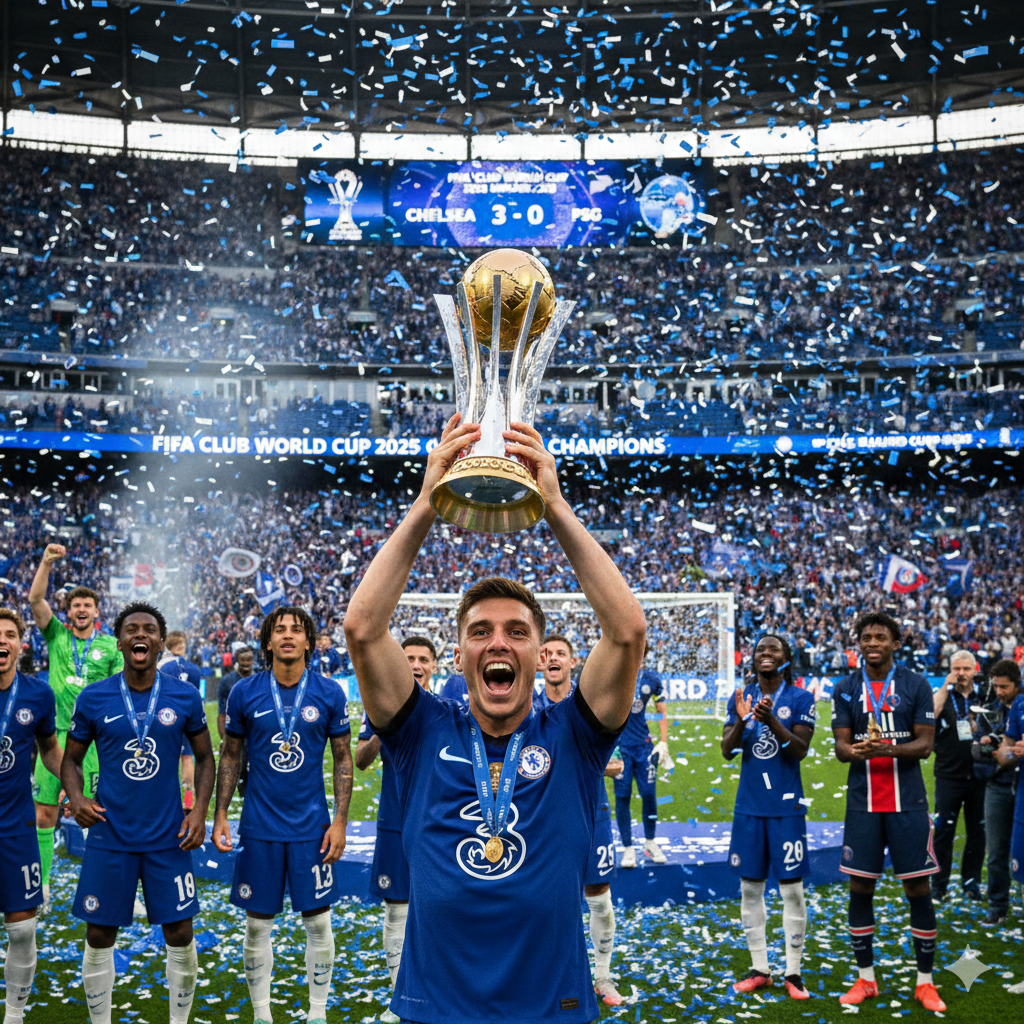
The FIFA Club World Cup underwent a massive transformation in 2025, expanding from seven teams to 32 clubs competing in a month-long tournament across the United States. This dramatic expansion promises to elevate the competition’s prestige significantly and provide even more opportunities for unforgettable moments.
The new format will feature a group stage followed by knockout rounds, similar to the FIFA World Cup. This structure will create more matches, allowing teams to build momentum and develop chemistry while giving fans more opportunities to see their clubs compete on the global stage.
With more teams participating, the tournament will feature representatives from a broader range of countries and leagues. This diversity will create fascinating matchups and potentially more upsets as teams from different continents clash in the group stages. The month-long format will also allow the tournament to capture global attention in a way the previous week-long format struggled to achieve.
Looking Back, Looking Forward
As we reflect on over two decades of Club World Cup history, certain themes emerge. The dominance of European clubs is undeniable, reflecting the financial and organizational advantages enjoyed by UEFA teams. However, the competition has also provided platforms for underdog stories that have captured hearts worldwide—from Robert Kidiaba’s celebratory slides to Kashima Antlers’ brave challenge to Real Madrid’s supremacy.
The tournament has evolved significantly from its humble beginnings in 2000. What started as an experiment to determine a true world champion has grown into an established part of the football calendar, eagerly anticipated by clubs and fans from all continents. Each edition has added new chapters to the competition’s rich history, whether through tactical innovations, individual brilliance, or collective achievements that transcended expectations.
Brazilian clubs’ passionate engagement with the tournament contrasts with some European clubs’ occasional ambivalence, creating interesting dynamics around prestige and priorities. This cultural difference highlights how football’s global nature creates varied perspectives on what matters most—a reminder that the sport belongs to everyone, not just the traditional powerhouses.
The near-misses by African and Asian clubs serve as both frustration and inspiration. Each time TP Mazembe, Raja Casablanca, Kashima Antlers, or Al-Ahly pushed Europe’s elite, they demonstrated that the gap is closing and that with the right combination of preparation, tactics, and fortune, an upset is always possible.
The Tournament’s Lasting Legacy
The Club World Cup has created moments that transcend the trophy itself. It has provided stages for players like Ronaldo to cement their legacies, given underdogs chances to shock the world, and offered fans from every continent opportunities to see their champions compete against the best.
From TP Mazembe’s joyous celebrations to Cristiano Ronaldo’s match-winning heroics, from Barcelona’s historic sextuple to Corinthians’ defiant victory over Chelsea, from Raja Casablanca’s inspired home run to Kashima Antlers’ brave challenge—these moments collectively tell a story of football’s universal appeal and competitive spirit.
The Club World Cup has proven that while European clubs may dominate, football’s beauty lies in its unpredictability and its ability to unite people from vastly different backgrounds in shared passion for the game. Every edition brings new hope that this might be the year an African or Asian club finally breaks through, or that a South American team reclaims its place atop the world game.
As the tournament enters its expanded era, the foundation laid by over two decades of memorable moments provides reason for optimism. The stage is set for the next generation of unforgettable moments, dramatic upsets, individual brilliance, and collective achievements. With 32 teams competing and global attention focused on the competition, the Club World Cup’s greatest hits may still be ahead of us.
Whether it’s the sight of an underdog shocking a European giant in the new group stages, a continental champion asserting dominance through tactical mastery, or an individual producing a moment of brilliance that will be replayed for generations, the Club World Cup continues to write new chapters in football’s rich history.
For now, we can look back on the tournament’s journey from experimental concept to established competition with appreciation for the memories created and anticipation for what comes next. The Club World Cup has earned its place in football’s landscape, providing a unique answer to the age-old question: who is truly the best club in the world?
For more information about the tournament’s history, upcoming editions, and detailed statistics, visit FIFA’s official Club World Cup page and explore the comprehensive archives of past tournaments.
Don’t Miss the Next Chapter!
Which Club World Cup moment stands out most to you? Share your favorite memories and predictions for the upcoming tournament in the comments below!
Want to keep up with the latest football news and analysis?
➡️ Subscribe to our newsletter today!












Comments 1