


The roar of the crowd, the vivid colors, the pulsating rhythm of the drums, these are the sights and sounds that define the African Cup of Nations (AFCON). More than just a football tournament, AFCON 2025 is a cultural phenomenon, a month-long celebration that halts the continent and captures the imagination of the global sports community. It is a unifying force, a stage where legends are born, and national pride swells to unprecedented levels. Every two years, this event acts as a critical barometer for the state of African football, from the grassroots talent to the organizational capabilities of the host nation.
Yet, as one tournament concludes, the collective gaze of the football world invariably shifts to the future. That future is already taking shape, and it is intrinsically linked to the preparation and execution of the next installment. The anticipation building around AFCON 2025 is perhaps greater than ever, not merely for the spectacle on the pitch, but for the profound, lasting legacy it promises to leave on the host country and the broader trajectory of the sport across the continent. This tournament is set to be a watershed moment, demanding significant investment in infrastructure, a rigorous focus on security and logistics, and a commitment to showcasing Africa’s rising status on the global stage.
Table of Contents
Beyond the Scoreboard: AFCON 2025 as an Economic Engine
To fully appreciate the significance of a competition of this magnitude, we must look beyond the immediate results of the final match. Hosting AFCON 2025 is a gargantuan undertaking, and the benefits, and risks, ripple through the national economy, impacting sectors far removed from the green turf. Economists and urban planners often view the tournament less as a sporting event and more as a catalyst for accelerated national development. The mere announcement of a host country triggers an immediate and substantial flow of capital towards necessary upgrades.
Official Video for AFCON 2025- Naija 4 the win
NFF CHANNEL · 2.1K views

Infrastructure: The Tournament’s Most Enduring Gift
The most tangible and lasting legacy of any major sporting event is the physical infrastructure it compels the host nation to build or refurbish. For AFCON 2025, this is a central challenge and a monumental opportunity. International standards set by the Confederation of African Football (CAF) require world-class stadia, cutting-edge training facilities, and reliable logistical support. This means renovating existing national arenas, ensuring spectator safety and comfort, and often building entirely new venues from the ground up.
However, the infrastructural investment doesn’t stop at football pitches. It extends critically to the transport and hospitality sectors. To manage the influx of hundreds of thousands of fans, media personnel, and official delegations, the host nation must rapidly enhance its airports, road networks, and public transportation systems. This accelerated development is a critical boon for the local populace long after the final whistle blows. For example, improved inner-city transit routes, initially planned for fan movement, become permanent enhancements to daily commuter life.
The surge in hotel construction and refurbishment not only caters to the tournament but also leaves a lasting, positive impact on the country’s tourism potential for years to come. For a deeper dive into the specific stadium and facility requirements set by CAF, you can review this analysis of recent host nation preparations.If you’re interested in looking back at how past tournaments have shaped the modern game, check out our retrospective on the history and growth of afcon 2025’s predecessors.
The Evolving Tactical Landscape of African Football
If infrastructure is the tangible legacy of the African Cup of Nations, then the evolution of play on the pitch represents its intellectual and tactical inheritance. For decades, African football was often characterized globally by a heavy reliance on raw athleticism, pace, and individual flair. While these qualities remain essential and thrilling components of the African game, the modern era, culminating in tournaments like AFCON 2025, demands, and now routinely showcases, a profound shift towards sophisticated tactical structures, strategic flexibility, and advanced sports science.
The Death of the Rigid 4-4-2
The era of rigid, one-dimensional formations like the classic 4-4-2 is rapidly fading across the continent. Instead, modern African teams have embraced the fluidity and tactical diversity common in top European leagues, adapting systems such as the high-pressing 4-3-3, the adaptable 4-2-3-1, and the defensively robust 3-4-3.
This transformation is driven by several key factors:
- The Diaspora Effect: A significant percentage of players representing African nations were either born or professionally developed within elite European academies. These players bring a tactical education, an innate understanding of positional play, pressing triggers, and transitional phases, that they integrate seamlessly into their national teams. This infusion of global football intelligence has rapidly elevated the collective tactical IQ of many squads.
- The Coaching Revolution: The narrative that African teams must be led by European coaches to achieve success is being actively challenged. Recent tournaments have highlighted the rising influence of sophisticated, often locally-trained, African coaches. These managers, who possess an intimate cultural knowledge of their players combined with modern coaching qualifications, are proving that tactical innovation is homegrown. They are implementing strategies focused on high-pressing, structured build-up play from the back, and the use of inverted wingers to exploit wide areas. This trend is crucial for the long-term sustainability and identity of African football.
- Data and Technology: Modern national teams are no longer relying solely on a coach’s eye. The integration of advanced data analysis and sports science is now commonplace. GPS tracking, video analysis of opponents, and performance data are informing in-game decisions and half-time adjustments. The ability of a coach to use data to adapt their formation or pressing scheme mid-match is now a crucial determinant of success in a high-stakes competition like the Africa Cup of Nations.

AFCON 2025 is set to be a crucible for this tactical evolution. The teams that demonstrate the greatest adaptability, the ability to switch from a controlling possession-based game to a rapid, counter-attacking approach, will be the ones that succeed in the intense knockout rounds.Contrast this new style with the spectacular, less-structured attacking flair celebrated in our archive of afcon 2025‘s greatest moments from the 1990s.
Key Tactical Trends to Watch
The tactical battles at the upcoming tournament will likely revolve around the following concepts:
| Tactical Concept | Description | Impact on AFCON Teams |
| High Pressing | Attempting to win the ball back high up the pitch, often using a man-to-man marking scheme in the attacking third to disrupt the opponent’s build-up. | Teams like Senegal and Morocco have used this to great effect, forcing turnovers in dangerous areas and showcasing a European level of defensive organization and fitness. |
| Inverted Wingers | Using a player on the opposite flank of their strong foot (e.g., a right-footer on the left wing) to allow them to cut inside onto their preferred foot to shoot or create chances. | This maximizes goal-scoring opportunities and allows full-backs to overlap, creating overloads in the attack. It blends traditional flair with modern geometry. |
| Three-at-the-Back Systems | Utilizing a 3-4-3 or 3-5-2 structure to achieve defensive solidity while allowing the wing-backs to push forward and provide attacking width. | Offers flexibility, particularly in a tournament setting where teams must adapt to different opponents. It prioritizes ball progression through central midfielders. |
The blending of these contemporary methods with the characteristic African attributes, unrivaled pace, physical power, and breathtaking individual skill, is what creates the unique, must-watch brand of football the world has come to expect. It is a calculated, structured chaos that makes every match unpredictable. For an academic perspective on the growing influence of European tactical thought on African national teams, read this detailed sports science analysis.
The Global Draw: AFCON’s Influence on European Leagues and Scouting
The relationship between the Africa Cup of Nations and the powerful European leagues has always been one of complex tension, often characterized by the conflicting demands of club ambition versus national pride. While European clubs rely heavily on the talent pipeline flowing from Africa, the mid-season timing of the tournament, as confirmed for AFCON 2025, creates significant friction. This dynamic, however, has transformed AFCON 2025 into one of the most important and high-stakes scouting grounds in world football.
The Mid-Season Mayhem: A Club Challenge
For top clubs in the English Premier League, La Liga, Serie A, and the Bundesliga, the start of AFCON 2025 is often synonymous with a deep sigh of managerial frustration. The tournament takes place during the busiest, most decisive period of the European season: the depth of winter fixture lists, cup competitions, and the critical post-Christmas run-in. Losing key players, from superstar goal-scorers like Mohamed Salah to midfield engines like Frank Anguissa, for up to six weeks can, and often does, derail title challenges and European qualification hopes.
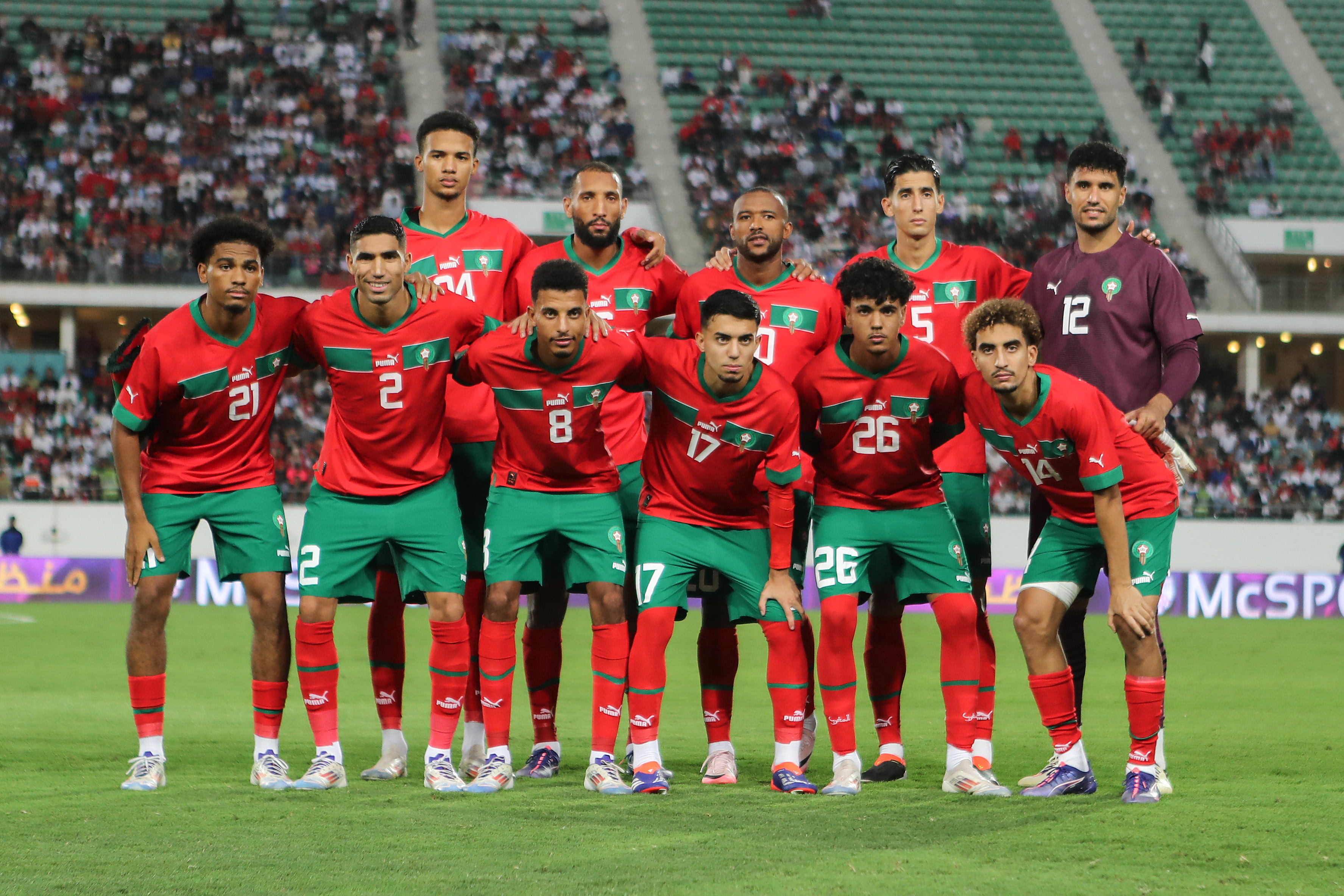
This tension is formalized by the FIFA release rules. For the current edition, FIFA reduced the mandatory release period, allowing clubs to keep their African stars until mid-December, just a few days before the tournament’s opening match. While this provides a small concession to the clubs, it severely compromises the preparation time for national team coaches, who often have only a handful of training sessions with their full squads before their opening fixtures.
The argument that AFCON 2025 is “not a major tournament,” a view sometimes aired by European pundits, not only disrespects the competition’s history but entirely ignores its immense global viewership (CAF reported 1.4 billion global TV viewers for the 2023 edition) and the tangible financial value of the players involved. The market value of the absent players for top leagues often collectively exceeds half a billion Euros.
The Ultimate Scouting Showcase
Despite the scheduling headache, AFCON offers an unparalleled opportunity for recruitment. It is a live, high-pressure audition where players, particularly those from smaller European leagues or domestic African competitions, can dramatically increase their market value overnight. This is where AFCON 2025 shifts from being a disruptive force to an economic powerhouse for talent acquisition.
The Transfer Market Multiplier
The tournament acts as a valuation accelerator. A player who performs consistently in a high-stakes continental championship, standing out against other top-level professionals, becomes a much more attractive proposition in the subsequent transfer windows.
- Emerging Stars: Scouts descend upon the host nation to identify breakout talents. A strong showing here can secure a move from a domestic African league or a lesser-known European club directly into a major league, bypassing the traditional lower-league development path. This dramatically increases the transfer fee for the selling club and provides life-changing opportunities for the player.
- Example: Players like Lamine Camara (Senegal/AS Monaco) or Eliesse Ben Seghir (Morocco/Bayer Leverkusen), who are already highly-rated, can solidify their status as global stars with a single, successful tournament, prompting future transfer bidding wars.
- Risk Mitigation: European clubs see how a player handles the physical demands, the psychological pressure, and the tactical rigidity required at an international level. This is far more informative than scouting in a domestic league environment and helps mitigate the risk associated with multi-million Euro transfers. For a look at the massive fees that have resulted from past showcases, explore our analysis of afcon 2025‘s all-time most expensive player transfers.
The Changing Global Perception
The continuous excellence displayed at AFCON 2025 is slowly but surely shifting the global perception of African football. No longer is the continent viewed merely as a feeder system for European leagues. It is increasingly seen as a co-equal, a source of tactical innovation and high-calibre, highly-valued professionals.
The commercial success of the Confederation of African Football (CAF), which reported significant net profits and increased sponsorship revenue in the lead-up to this tournament, underscores this rise. This financial stability, driven by the commercial viability and global viewership of AFCON 2025, provides the foundation for African football bodies to argue for greater respect and more favorable scheduling in the future. AFCON 2025 is not just about the trophy; it is about asserting this newfound economic and sporting leverage on the world stage. A detailed look into the commercial turnaround and financial growth of African football shows the economic power behind AFCON 2025.
Political and Social Dimensions: Unity, Diplomacy, and Soft Power
The African Cup of Nations is rarely just about football; it is intrinsically woven into the fabric of the continent’s social and political life. The tournament transcends mere sporting competition, acting as a powerful vehicle for national unity, regional diplomacy, and the projection of “soft power” onto the global stage. This political dimension adds a layer of complexity and significance to the hosting and participation in AFCON 2025.
The Unifying Force: Transcending Ethnic Divides
In many African nations, which are home to dozens or even hundreds of distinct ethnic and linguistic groups, the national football team provides one of the few platforms where the entire population can rally behind a single banner. Research has consistently shown that victories in major continental tournaments, such as the Africa Cup of Nations, can temporarily reduce ethnic identification, improve inter-ethnic trust, and significantly lower the probability of inter-ethnic conflict.
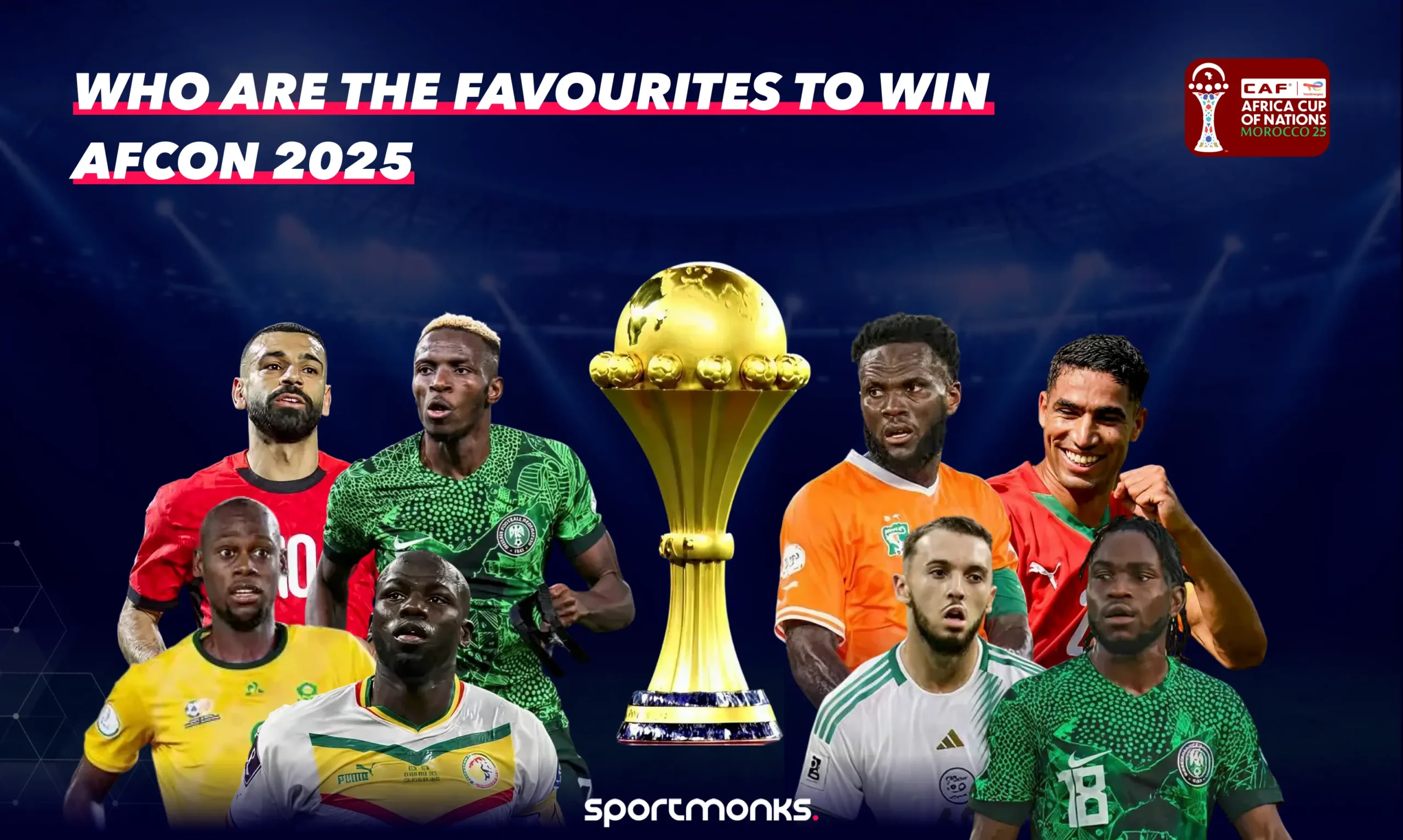
- A Shared Identity: For the duration of the tournament, the flag and the national team’s colors eclipse local and tribal loyalties. The success of the “Indomitable Lions,” the “Super Eagles,” or the “Black Stars” becomes a source of collective, non-partisan pride. This sense of togetherness is an invaluable, if fleeting, social dividend for nations grappling with internal political or regional tensions.
- The Power of Players: The players themselves often become inadvertent diplomats and symbols of peace. The Ivorian national team’s efforts during their country’s civil war, particularly Didier Drogba’s famous plea for peace after their 2006 World Cup qualification, remain a powerful testament to the game’s capacity to heal and unify. AFCON 2025 offers the host nation a similar chance to showcase national cohesion and stability to the world.
Soft Power: The Global Showcase
For the host nation, staging the tournament is an exercise in soft power, the ability to influence others through attraction and co-option rather than coercion. The millions of dollars invested in infrastructure, logistics, and organizing a safe, spectacular event are ultimately designed to shape the global narrative about the country.
- Attracting Investment: A successfully hosted AFCON 2025 signals competence, stability, and an ability to manage large-scale international projects. This positive image is a crucial component in attracting foreign direct investment (FDI) and increasing tourism. It projects an image of a modern, capable state ready to engage with the world.
- Diplomatic Bridge-Building: The tournament brings together heads of state, sports ministers, and diplomatic envoys from across the continent. This concentration of political power provides a neutral, informal platform for high-level dialogue on issues ranging beyond football, promoting regional collaboration, trade agreements, and even peace initiatives. The joint hosting of future tournaments by multiple nations further cements this trend of sports diplomacy. For a rigorous breakdown of how African states utilize football for diplomatic ends, read this analysis of sports and African soft power.
The Shadow of “Sportswashing”
However, the political use of AFCON 2025 is not without its critics. The massive cost of hosting, often exceeding $500 million to $1 billion, raises uncomfortable questions, particularly in nations facing high levels of poverty or pressing social needs. Critics often apply the term “sportswashing,” suggesting that controversial leaders or regimes use the euphoria and national distraction of the tournament to gloss over governance issues, human rights concerns, or questionable political maneuvers.
The massive, publicly funded infrastructure projects necessary for AFCON 2025, while beneficial in the long term, can become tools for political gain, with stadiums or roads often named after political figures. While the tournament undeniably delivers pride and infrastructure, the challenge for host nations is to ensure the investment serves the populace long-term, becoming assets rather than so-called “white elephants”, large, unused stadiums that drain public funds. Transparency in spending and a genuine commitment to the long-term utility of the facilities are essential to maximize the social returns of the event. Explore the debate on the long-term utility and financial viability of large-scale projects in our detailed look at afcon 2025 host city economic impacts.
Challenges Ahead: Security, Logistics, and Sustainability
The grandeur and excitement surrounding AFCON 2025 cannot entirely mask the significant and perennial challenges that accompany hosting a major continental event. Success is not merely defined by the champion crowned on the final day, but by the host nation’s ability to navigate the complex hurdles of security, logistics, and, most critically, ensuring the tournament leaves a sustainable, long-term legacy.
The Triple Threat: Security and Crowd Management
Security at a 24-team tournament, spanning multiple cities, is paramount. The host nation must guarantee the safety of millions of traveling fans, media, officials, and, of course, the participating teams. Recent continental tournaments have underscored the severity of security and crowd control lapses, which can result in massive fines and even stadium capacity reductions by the Confederation of African Football (CAF). Issues include:
- Crowd Overload: Preventing ticketless spectators from breaching security perimeters and ensuring that stands do not exceed regulated capacity. The high emotion and national fervor surrounding matches can turn crowd excitement into chaos if not managed with military precision.
- Logistical Failures: Providing adequate and safe transport routes to and from stadiums. For the host nation, with its multiple high-speed rail and airport expansions underway, the challenge is activating these systems under extreme pressure. Poor signage, inadequate transport coordination, or a lack of clarity in ticketing and accreditation can quickly turn a traveler’s experience into a nightmare.
- Risk Mitigation: Deploying specialized security personnel to handle potential incidents, from low-level disturbances to higher-risk situations. The tournament requires comprehensive risk assessments and meticulous planning to avoid the tragic security failures seen in past sporting events across the globe.
Logistics: The Operational Backbone of AFCON 2025
Beyond physical security, the operational complexity of hosting AFCON 2025 is immense. Moving 24 top-tier teams, their equipment, and thousands of support staff between host cities, often with only a few days between matches, requires a flawless logistical chain.
The search results reveal that the host nation has committed substantial investment, including a massive $2.8 billion to nearly double national airport capacity and aggressive development of high-speed rail links (like the Al Boraq line) to connect the major hubs of Rabat, Casablanca, and Tangier. These projects are strategically intertwined, aiming to serve both this tournament and the future co-hosting of the 2030 FIFA World Cup.
- Host City Coordination: Successfully managing the flow of spectators across six major host cities requires real-time coordination between government agencies, local organizing committees, and CAF officials. Failures in one city, whether it involves poor-quality food supplies or accommodation mix-ups, can quickly tarnish the reputation of the entire event. For a comprehensive overview of the billions of dollars in transport and urban infrastructure investment driving the logistics for AFCON 2025 and beyond, review this official report.
The Sustainability Mandate: Avoiding “White Elephants”
Perhaps the most critical long-term challenge is sustainability. The history of mega-events is littered with costly “white elephant” stadiums, magnificent venues built for a few weeks of use, only to become a perennial drain on public finances afterward. The host must demonstrate that the huge capital outlay is designed to integrate into the long-term needs of the country.
- Environmental Responsibility: Modern sports events are expected to adhere to high environmental standards. This includes the use of sustainable materials, optimizing energy efficiency in new and renovated stadiums (e.g., using natural ventilation), and implementing effective water and waste management solutions. The certification of major venues to standards like HQE (High Environmental Quality) signals a commitment beyond the tournament dates.
- Multifunctional Legacy: The host’s strategy aims to prevent white elephants by ensuring new facilities serve as multifunctional venues capable of hosting cultural events, concerts, and long-term sports development programs. The investments are being explicitly linked to broader tourism roadmaps and city development, ensuring stadiums become assets for local communities long after the final ball of AFCON 2025 is kicked.
The Enduring Echo of AFCON 2025
The Africa Cup of Nations is far more than a simple football tournament. It is a powerful nexus where sport, economics, politics, and national identity intersect. As we look ahead to the spectacle of AFCON 2025, the stakes have never been higher, nor the opportunities more profound.
The competition represents the apex of African football’s tactical maturation, showcasing players who blend innate physical brilliance with the sophistication learned in the world’s elite leagues. It serves as a vital economic engine, driving accelerated infrastructure development that benefits millions of citizens beyond the match-day crowds. On the social and political front, it stands as a temporary but powerful source of unity, allowing nations to project competence and soft power onto a curious and watching world.
From the meticulous security planning required to manage the flow of fans across a high-speed rail network, to the deep tactical battles waged between continent-leading coaches, every element of this tournament is a test. The true measure of success for the host nation will not be in the final result of the competition, but in the lasting, sustainable legacy it leaves behind, a legacy of world-class infrastructure, enhanced national cohesion, and a definitive statement about the rising influence of African football on the global stage.
The sound of the final whistle will mark the end of a glorious sporting spectacle, but the positive afcon 2025 echoes in economic development and enhanced global standing will resonate for a generation.
🚀 Don’t Just Watch the Game, Predict It: Get the Best AFCON 2025 Analysis
You’ve just absorbed a 3000-word breakdown of everything that will define AFCON 2025, from tactical evolution to billion-dollar infrastructure. You understand the political stakes, the rising star power, and the historical precedents.
Now, take the final step to move from informed observer to expert predictor.
The tournament features 52 high-stakes games, and predicting which nations will emerge from the Group of Death or who will win the final golden boot requires deeper, daily insight.
Our exclusive newsletter and premium prediction service provides:
- Data-Driven Forecasts: Match predictions leveraging advanced statistical models and current team form, going beyond simple odds.
- Exclusive Team Reports: Deep dives into squad rotations, injury updates, and tactical setups immediately following the group stage draw.
- Betting Value Alerts: Identifying which games offer the highest potential returns based on our expert analysis of afcon 2025 matchups.
Don’t rely on guesswork. Arm yourself with the analysis and insights that separate the fans from the forecasters.
🔥 Secure Your Predictive Edge
GET INSTANT ACCESS TO OUR AFCON 2025 PREDICTION HUB
➡️ SUBSCRIBE NOW FOR FREE PREDICTIONS
(Limited-time access for the tournament’s opening week)














Comments 3