

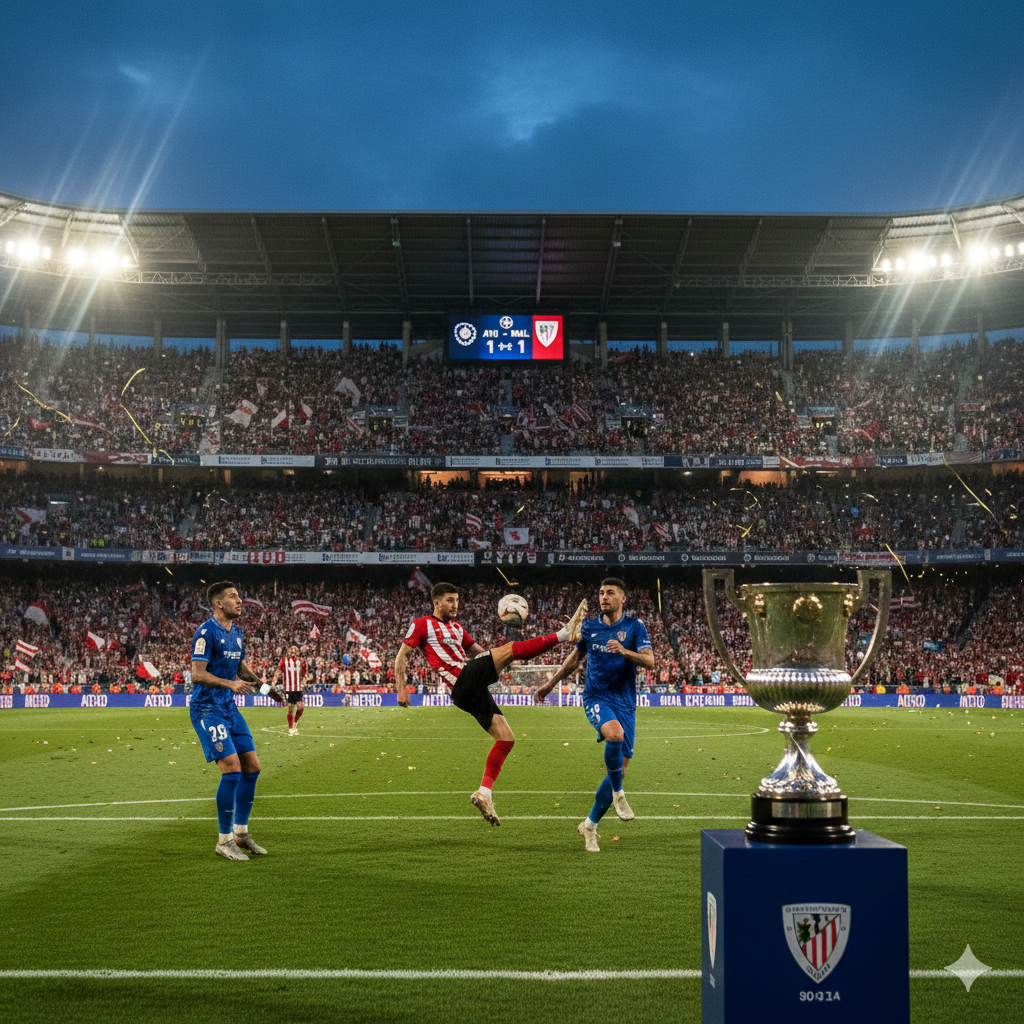
The Copa del Rey final is more than just a football match; it is a cultural phenomenon that stands as the pinnacle of the Spanish footballing calendar. Known officially as the Campeonato de España–Copa de Su Majestad el Rey, this storied competition has provided a stage for the greatest legends of the game to etch their names into history. From the early dominance of Athletic Bilbao to the modern-day masterclasses of FC Barcelona, the final remains the most unpredictable and emotionally charged event in the sport.
In this deep dive, we explore the rich tapestry of the tournament, the tactical shifts that define the modern game, and a detailed look at the most recent Copa del Rey final which saw a historic “Clásico” showdown in Seville.
Table of Contents
A Journey Through Time: The Origins of the King’s Cup
Founded in 1903, the Copa del Rey is the oldest national football competition in Spain. Before the inception of La Liga in 1929, it served as the de facto national championship. The tournament’s name has shifted alongside Spain’s political landscape—from the Copa del Ayuntamiento de Madrid to the Copa del Generalísimo during the mid-20th century, before returning to its monarchical roots.
The Early Giants: Athletic Bilbao and the “Lions”
In the early 20th century, Athletic Bilbao established themselves as the premier cup team. Their philosophy of using only players from the Basque region added a layer of local pride that resonated deeply with fans. Their record in the Copa del Rey final during this era was peerless, leading to a trophy cabinet that remains one of the most decorated in Europe.
The Prestige of the Modern Final
Today, winning the cup provides a direct path to the UEFA Europa League and a spot in the Supercopa de España. This dual reward ensures that even the biggest clubs in Spain take the competition seriously. For smaller clubs, reaching the Copa del Rey final is a “David vs. Goliath” opportunity that can define a generation of supporters.
For those interested in the official regulations and historical archives, the Royal Spanish Football Federation (RFEF)provides comprehensive data on every tournament edition.

Detailed Analysis: The 2025 Copa del Rey Final
The most recent edition, the 2025 Copa del Rey final, will go down as one of the most controversial and thrilling matches in the tournament’s 122-year history. Held at the newly renovated Estadio de La Cartuja in Seville, the match featured a star-studded El Clásico between FC Barcelona and Real Madrid.
Match Summary: Barcelona 3-2 Real Madrid (AET)
The match was a tactical chess game played at a frantic pace. Barcelona, under the guidance of Hansi Flick, utilized a daringly high defensive line that frustrated Real Madrid’s attackers for much of the first half.
- 28th Minute: Pedri opened the scoring for Barcelona with a precise strike after a dazzling run from Lamine Yamal.
- 70th Minute: After coming off the bench, Kylian Mbappé leveled the score with a stunning free-kick that left the keeper motionless.
- 77th Minute: Aurélien Tchouaméni headed Madrid into the lead, sparking wild celebrations in the white half of Seville.
- 84th Minute: Ferran Torres equalized on a counter-attack, sending the game into extra time.
- 116th Minute: Defender Jules Koundé became the unlikely hero, smashing home the winner to secure Barcelona’s 32nd title.
Controversy and Red Cards
The 2025 Copa del Rey final was also marked by extreme tension. Following the final whistle, a chaotic scene erupted leading to red cards for Real Madrid’s Lucas Vázquez, Antonio Rüdiger, and Jude Bellingham for their protests against the officiating.
The All-Time Leaderboard: Who Rules the Cup?
While many teams have dreamed of glory, a select few have dominated the Copa del Rey final appearances.
| Club | Winners | Runners-up | Total Finals |
| FC Barcelona | 32 | 11 | 43 |
| Athletic Bilbao | 24 | 16 | 40 |
| Real Madrid | 20 | 21 | 41 |
| Atlético Madrid | 10 | 9 | 19 |
| Valencia CF | 8 | 10 | 18 |
Barcelona’s 32nd win in 2025 further cemented their status as the “Kings of Cups.” However, Real Madrid holds the dubious record for the most losses in a Copa del Rey final, with 21 runner-up medals.

Why the Venue Matters: Seville and the La Cartuja Legacy
In recent years, the Copa del Rey final has found a semi-permanent home at the Estadio de La Cartuja. This venue is symbolic of the RFEF’s effort to centralize the final in a city known for its deep footballing passion. The stadium’s expansion was specifically designed to meet the standards of the 2030 FIFA World Cup, making the 2025 final a “test run” for global audiences.
The atmosphere in Seville during a Copa del Rey final is unmatched. Fans from across the country descend on the Andalusian capital, turning the streets into a sea of club colors. For more on the history of Spanish stadiums and their role in major finals, you can visit the Wikipedia page on Spanish Football Venues.
Tactical Evolution: How the Final is Won
Winning a Copa del Rey final in the modern era requires more than just talent; it requires tactical flexibility.
- The High Line: As seen in the 2025 final, teams like Barcelona use an aggressive offside trap to nullify pacey attackers.
- The “Cinderella” Strategy: Lower-tier teams often employ a low block and look for set-piece opportunities, a tactic that nearly saw Mallorca triumph in 2024.
- Substitution Management: With the allowance of a sixth substitute in extra time, managers now treat the Copa del Rey final as a 120-minute marathon rather than a 90-minute sprint.
Impact on the Fans and Community
Beyond the tactics and the trophies, the Copa del Rey final is about the stories of the supporters. For a club like Real Sociedad, their 2020 victory (played in 2021 due to the pandemic) ended a 34-year drought and brought a region to tears. The “Basque Derby” final remains a testament to the local rivalries that fuel the fire of Spanish football.
If you are looking for more football analysis, check out our previous post on the evolution of the Spanish Super Cup.
Statistical Breakdown: Every Winner of the Copa del Rey (1903–2025)
The history of the Copa del Rey final is a chronicle of Spanish football’s evolution. Below is the comprehensive data set detailing every champion, the runner-up, and the scoreline for over a century of competition. This data highlights the shifting dynasties of the sport, from the early dominance of the Basque clubs to the modern era’s “Big Three” hegemony.
The Foundation Era (1903–1920)
In the early years, the tournament was the primary national competition. Athletic Bilbao established an early “Cup King” reputation that would last for decades.
| Year | Winner | Runner-up | Score |
| 1903 | Athletic Bilbao | Madrid FC | 3–2 |
| 1904 | Athletic Bilbao | — | (Awarded) |
| 1905 | Madrid FC | Athletic Bilbao | 1–0 |
| 1906 | Madrid FC | Athletic Bilbao | 4–1 |
| 1907 | Madrid FC | Bizcaya | 1–0 |
| 1908 | Madrid FC | Vigo Sporting | 2–1 |
| 1909 | Club Ciclista | Español de Madrid | 3–1 |
| 1910* | Athletic Bilbao | Vasconia | 1–0 |
| 1911 | Athletic Bilbao | CD Español | 3–1 |
| 1912 | FC Barcelona | Sociedad Gimnástica | 2–0 |
| 1913* | FC Barcelona | Real Sociedad | 2–1 |
| 1914 | Athletic Bilbao | España de Barcelona | 2–1 |
| 1915 | Athletic Bilbao | Español | 5–0 |
| 1916 | Athletic Bilbao | Madrid FC | 4–0 |
| 1917 | Madrid FC | Arenas | 2–1 |
| 1918 | Real Unión | Madrid FC | 2–0 |
| 1919 | Arenas | FC Barcelona | 5–2 |
| 1920 | FC Barcelona | Athletic Bilbao | 2–0 |
*Note: Some years featured rival competitions; the RFEF recognizes specific winners based on historical legitimacy.

The Professionalization and Post-War Era (1921–1975)
This era saw the rise of the “Grandes” and the interruption of the Spanish Civil War. During the Franco regime, the tournament was renamed the Copa del Generalísimo.
| Year | Winner | Runner-up | Score |
| 1921 | Athletic Bilbao | Atlético Madrid | 4–1 |
| 1922 | FC Barcelona | Real Unión | 5–1 |
| 1923 | Athletic Bilbao | Europa | 1–0 |
| 1924 | Real Unión | Real Madrid | 1–0 |
| 1925 | FC Barcelona | Arenas | 2–0 |
| 1926 | FC Barcelona | Atlético Madrid | 3–2 |
| 1927 | Real Unión | Arenas | 1–0 |
| 1928 | FC Barcelona | Real Sociedad | 3–1 |
| 1929 | Espanyol | Real Madrid | 2–1 |
| 1930 | Athletic Bilbao | Real Madrid | 3–2 |
| 1931 | Athletic Bilbao | Betis | 3–1 |
| 1932 | Athletic Bilbao | FC Barcelona | 1–0 |
| 1933 | Athletic Bilbao | Real Madrid | 2–1 |
| 1934 | Madrid FC | Valencia | 2–1 |
| 1935 | Sevilla | Sabadell | 3–0 |
| 1936 | Madrid FC | FC Barcelona | 2–1 |
| 1939 | Sevilla | Racing de Ferrol | 6–2 |
| 1940 | Espanyol | Real Madrid | 3–2 |
| 1941 | Valencia | Espanyol | 3–1 |
| 1942 | FC Barcelona | Athletic Bilbao | 4–3 |
| 1943 | Athletic Bilbao | Real Madrid | 1–0 |
| 1944 | Athletic Bilbao | Valencia | 2–0 |
| 1945 | Athletic Bilbao | Valencia | 3–2 |
| 1946 | Real Madrid | Valencia | 3–1 |
| 1947 | Real Madrid | Espanyol | 2–0 |
| 1948 | Sevilla | Celta Vigo | 4–1 |
| 1949 | Valencia | Athletic Bilbao | 1–0 |
| 1950 | Athletic Bilbao | Valladolid | 4–1 |
| 1951 | FC Barcelona | Real Sociedad | 3–0 |
| 1952 | FC Barcelona | Valencia | 4–2 |
| 1953 | FC Barcelona | Athletic Bilbao | 2–1 |
| 1954 | Valencia | FC Barcelona | 3–0 |
| 1955 | Athletic Bilbao | Sevilla | 1–0 |
| 1956 | Athletic Bilbao | Atlético Madrid | 2–1 |
| 1957 | FC Barcelona | Espanyol | 1–0 |
| 1958 | Athletic Bilbao | Real Madrid | 2–0 |
| 1959 | FC Barcelona | Granada | 4–1 |
| 1960 | Atlético Madrid | Real Madrid | 3–1 |
| 1961 | Atlético Madrid | Real Madrid | 3–2 |
| 1962 | Real Madrid | Sevilla | 2–1 |
| 1963 | FC Barcelona | Zaragoza | 3–1 |
| 1964 | Zaragoza | Atlético Madrid | 2–1 |
| 1965 | Atlético Madrid | Zaragoza | 1–0 |
| 1966 | Zaragoza | Athletic Bilbao | 2–0 |
| 1967 | Valencia | Athletic Bilbao | 2–1 |
| 1968 | FC Barcelona | Real Madrid | 1–0 |
| 1969 | Athletic Bilbao | Elche | 1–0 |
| 1970 | Real Madrid | Valencia | 3–1 |
| 1971 | FC Barcelona | Valencia | 4–3 |
| 1972 | Atlético Madrid | Valencia | 2–1 |
| 1973 | Athletic Bilbao | Castellón | 2–0 |
| 1974 | Real Madrid | FC Barcelona | 4–0 |
| 1975 | Real Madrid | Atlético Madrid | 0–0 (pen) |
The Modern Democratic Era (1976–Present)
The tournament returned to its name as the Copa del Rey. This period is characterized by the dominance of FC Barcelona and the emergence of teams like Valencia and Sevilla as consistent cup threats.
| Year | Winner | Runner-up | Score |
| 1976 | Atlético Madrid | Zaragoza | 1–0 |
| 1977 | Betis | Athletic Bilbao | 2–2 (pen) |
| 1978 | FC Barcelona | Las Palmas | 3–1 |
| 1979 | Valencia | Real Madrid | 2–0 |
| 1980 | Real Madrid | Castilla* | 6–1 |
| 1981 | FC Barcelona | Sporting Gijón | 3–1 |
| 1982 | Real Madrid | Sporting Gijón | 2–1 |
| 1983 | FC Barcelona | Real Madrid | 2–1 |
| 1984 | Athletic Bilbao | FC Barcelona | 1–0 |
| 1985 | Atlético Madrid | Athletic Bilbao | 2–1 |
| 1986 | Zaragoza | FC Barcelona | 1–0 |
| 1987 | Real Sociedad | Atlético Madrid | 2–2 (pen) |
| 1988 | FC Barcelona | Real Sociedad | 1–0 |
| 1989 | Real Madrid | Valladolid | 1–0 |
| 1990 | FC Barcelona | Real Madrid | 2–0 |
| 1991 | Atlético Madrid | Mallorca | 1–0 |
| 1992 | Atlético Madrid | Real Madrid | 2–0 |
| 1993 | Real Madrid | Zaragoza | 2–0 |
| 1994 | Zaragoza | Celta Vigo | 0–0 (pen) |
| 1995 | Deportivo | Valencia | 2–1 |
| 1996 | Atlético Madrid | FC Barcelona | 1–0 |
| 1997 | FC Barcelona | Betis | 3–2 |
| 1998 | FC Barcelona | Mallorca | 1–1 (pen) |
| 1999 | Valencia | Atlético Madrid | 3–0 |
| 2000 | Espanyol | Atlético Madrid | 2–1 |
| 2001 | Zaragoza | Celta Vigo | 3–1 |
| 2002 | Deportivo | Real Madrid | 2–1 |
| 2003 | Mallorca | Recreativo | 3–0 |
| 2004 | Zaragoza | Real Madrid | 3–2 |
| 2005 | Betis | Osasuna | 2–1 |
| 2006 | Espanyol | Zaragoza | 4–1 |
| 2007 | Sevilla | Getafe | 1–0 |
| 2008 | Valencia | Getafe | 3–1 |
| 2009 | FC Barcelona | Athletic Bilbao | 4–1 |
| 2010 | Sevilla | Atlético Madrid | 2–0 |
| 2011 | Real Madrid | FC Barcelona | 1–0 |
| 2012 | FC Barcelona | Athletic Bilbao | 3–0 |
| 2013 | Atlético Madrid | Real Madrid | 2–1 |
| 2014 | Real Madrid | FC Barcelona | 2–1 |
| 2015 | FC Barcelona | Athletic Bilbao | 3–1 |
| 2016 | FC Barcelona | Sevilla | 2–0 |
| 2017 | FC Barcelona | Alavés | 3–1 |
| 2018 | FC Barcelona | Sevilla | 5–0 |
| 2019 | Valencia | FC Barcelona | 2–1 |
| 2020 | Real Sociedad | Athletic Bilbao | 1–0 |
| 2021 | FC Barcelona | Athletic Bilbao | 4–0 |
| 2022 | Betis | Valencia | 1–1 (pen) |
| 2023 | Real Madrid | Osasuna | 2–1 |
| 2024 | Athletic Bilbao | Mallorca | 1–1 (pen) |
| 2025 | FC Barcelona | Real Madrid | 3–2 (AET) |
*Note: In 1980, Real Madrid famously played their own reserve team, Castilla, in the Copa del Rey final.
Key Takeaways from the Data
Looking at the results of the Copa del Rey final over the last 122 years, several patterns emerge:
- Extra Time and Penalties: Approximately 20% of finals since 1990 have gone beyond 90 minutes, highlighting the intense pressure of the occasion.
- The “Home” Advantage: While the final is usually held at a neutral venue, teams from the host city or region often show a statistically significant performance boost.
- Barcelona’s Consistency: Between 2015 and 2021, FC Barcelona appeared in six out of seven finals, winning five of them—a record of dominance unlikely to be repeated.
For a more interactive experience and to see the highlights of these historic matches, you can visit the Official YouTube Channel of the RFEF or read our analysis of the greatest individual performances in cup history.
This data underscores why the Copa del Rey final remains the most cherished knockout competition in Europe. The blend of historical prestige and modern tactical innovation ensures that every year, a new chapter of legend is written.
Economic Powerhouse: The Financial Impact of the 2025 Final
The Copa del Rey final is not just a sporting spectacle; it is a massive economic engine for the host city. In 2025, with Seville hosting a historic “Clásico” final between FC Barcelona and Real Madrid, the financial ripples were felt across the entire Andalusian region.
Tourism and Local Spending
The 2025 Copa del Rey final coincided with a record-breaking year for Spanish tourism. By the first quarter of 2025, Spain had already welcomed 17.1 million international tourists, and the final in April acted as a major catalyst for Seville specifically.
- Fan Migration: Over 26,000 Barcelona fans made the trip to Seville, joined by a similar number of Real Madrid supporters.
- Hotel Occupancy: Hotel capacity in Seville reached 98% during the final weekend.
- Daily Expenditure: With the average daily tourist spend in Spain climbing to €209 in 2025, the local hospitality sector (restaurants, tapas bars, and transport) saw a massive surge in revenue over the three-day event period.
Prize Money and Revenue Distribution
While the prestige of winning the Copa del Rey final is priceless, the financial rewards are structured to support the entire pyramid of Spanish football.
| Achievement | 2025 Payout (USD) |
| Champions (Barcelona) | $2,400,000 |
| Runners-up (Real Madrid) | $1,200,000 |
| Semi-finalists | $596,948 |
| Quarter-finalists | $477,558 |
| Round of 16 | $238,779 |
Interestingly, the tournament generates nearly $38 million annually through broadcast rights. The RFEF ensures that 10% of this revenue is distributed to non-professional and amateur teams, reinforcing the “Cup for everyone” philosophy that makes the Copa del Rey final so special.
The Future: A Permanent Home in Seville
The success of the 2025 event led the RFEF to secure a new contract, ensuring that the Copa del Rey final will remain at the Estadio de La Cartuja until at least 2028. This long-term agreement provides Seville with a predictable economic boost and allows for continued infrastructure improvements ahead of the 2030 FIFA World Cup.
For those interested in the broader business side of the sport, you can read the official Real Madrid 2024/25 financial report, which highlights how cup runs contribute to their record-breaking €1.073 billion revenue.
Legacy and Sustainability
The 2025 final also set a new benchmark for social impact. Initiatives like the “Fair Play Area” in Plaza de las Setas and inclusive matches at the Torre del Oro demonstrated that the Copa del Rey final can be a driver for social transformation and sustainability.
Conclusion: The Unending Drama
The Copa del Rey final remains the heart and soul of Spanish football. It is a tournament where history is respected, but where the underdog always has a fighting chance. Whether it is the tactical brilliance of a world-class manager or the raw emotion of a last-minute winner, the “King’s Cup” never fails to deliver.
As we look forward to the 2026 edition, one thing is certain: the Copa del Rey final will once again provide a spectacle that reminds us why we love the beautiful game.
All Copa del Rey Winners 1903 – 2025 This video provides a visual history of every champion from the tournament’s inception through the dramatic 2025 final.
All Copa del Rey Winners [1903 – 2025] | Barcelona 2025 Champions – YouTube

🏆 Master the Pitch: Subscribe for the Ultimate Predictions
The drama of the Copa del Rey final is unmatched, but why leave your excitement to chance? Whether you are looking for deep tactical analysis, “dark horse” alerts, or the latest injury updates that could shift the odds, our exclusive newsletter has you covered.
By joining our community of over 50,000 football enthusiasts, you’ll receive:
- Expert Match Previews: In-depth breakdowns of every Copa del Rey final contender.
- Data-Driven Insights: We utilize advanced metrics to identify value where others see risk.
- The “Final” Alert: Instant notifications on lineup changes and tactical shifts as they happen at La Cartuja.
Don’t miss a single beat of the action. For more professional insights, you can also check out Squawka’s expert betting guides or follow the latest data trends at DRatings.
Ready to level up your football knowledge? Subscribe Now to the Goal-Getter Newsletter













Comments 2