


The efl championship is often described by fans and pundits alike as the most unpredictable, grueling, and physically demanding football division on the planet. While the Premier League captures the global headlines with its billionaire owners and superstar rosters, the efl championship offers a raw, high-stakes drama that is arguably more compelling. It is a league where historical giants rub shoulders with ambitious upstarts, all chasing the “Golden Ticket” to the top flight, a prize worth an estimated £170 million to £200 million in future revenue.
As we progress through the 2025/26 season, the narrative of the efl championship continues to evolve, shaped by new broadcasting deals, the controversial “parachute payment” system, and a level of tactical sophistication that has skyrocketed in recent years. In this comprehensive guide, we explore the history, the mechanics, the financial landscape, and the sheer chaos that defines the efl championship.
Table of Contents
The Evolution of the Second Tier
The league we now know as the efl championship was not always the glitzy, televised product it is today. Its roots trace back to the English Football League founded in 1888. For over a century, it existed as the “Second Division.” Following the formation of the Premier League in 1992, it was rebranded as the First Division. However, the most significant shift occurred in 2004 when it was officially christened the “Championship.”
This rebranding wasn’t just aesthetic; it marked the league’s emergence as a standalone commercial entity. Today, the efl championship consistently ranks among the top ten most-watched leagues in Europe, often outperforming the primary divisions of countries like the Netherlands or Portugal in terms of attendance and global reach.
46 Games of Pure Attrition
To understand the efl championship, one must understand its schedule. While most top-tier European leagues consist of 18 or 20 teams playing 34 to 38 matches, the Championship features 24 clubs. This results in a marathon 46-game regular season.
When you factor in domestic cup competitions like the Carabao Cup, a successful Championship side can easily play over 50 matches in a single campaign. This schedule leaves little room for recovery, making squad depth and “sports science” just as vital as tactical genius.
The points system is straightforward:
- Win: 3 points
- Draw: 1 point
- Loss: 0 points
If teams finish level on points, the tie-breakers are Goal Difference, followed by Goals Scored, and then Head-to-Head records.

The Promotion Jackpot: Automatic vs. Play-offs
The ultimate goal in the efl championship is promotion to the Premier League. The stakes are so high that the Play-off Final at Wembley Stadium is frequently cited as the “richest game in football.”
1. The Automatic Route
The teams finishing 1st and 2nd at the end of the 46-game season earn automatic promotion. Winning the efl championship title is a mark of supreme consistency, as seen in the 2025/26 season where Coventry City has set a blistering pace at the top of the table.
2. The Play-off Lottery
The teams finishing 3rd through 6th enter a high-tension knockout tournament.
- Semi-finals: 3rd plays 6th, and 4th plays 5th in two-legged (home and away) matches.
- The Final: The winners meet at Wembley in a winner-takes-all showdown.
The drama of the play-offs is what makes the efl championship so iconic. A team can struggle for 40 weeks, find form in April, and end up in the promised land of the Premier League by May.
Relegation: The Fight for Survival
While the top of the table looks toward the riches of the Premier League, the bottom of the efl championship table is a battle for survival. The bottom three teams are relegated to EFL League One. Relegation can be financially devastating, leading to “fire sales” of star players and significant cuts in stadium staff and infrastructure.
The 2025/26 season has seen a desperate struggle for clubs like Sheffield Wednesday and Norwich City, proving that no club no matter how historic is safe from the “drop.”
The Financial Landscape: Parachute Payments and Sustainability
Money is the most polarizing topic in the efl championship. The financial gap between the Premier League and the Championship is a chasm, leading to the implementation of “Parachute Payments.”
What are Parachute Payments?
When a club is relegated from the Premier League, they receive a portion of the top flight’s television revenue for up to three seasons. In year one, they might receive roughly £48 million, tapering down in subsequent years.
The Pros:
- Prevents immediate financial collapse for clubs with Premier League-sized wage bills.
- Allows clubs to maintain their academies and infrastructure.
The Cons:
- Creates a “two-tier” Championship where relegated clubs have a massive spending advantage.
- Contributes to the “Yo-Yo club” phenomenon, where the same few teams rotate between the two divisions.
According to recent financial reports, clubs receiving parachute payments are statistically much more likely to secure promotion, which critics argue stifles the competitive balance of the efl championship.

The New Era of Broadcasting
The 2025/26 season marks a turning point in how fans consume the efl championship. A record-breaking domestic rights deal with Sky Sports worth £935 million has significantly increased the number of televised matches.
The introduction of “Sky Sports+” means that over 1,000 EFL matches are now broadcast live each season. This increased exposure provides more commercial revenue for clubs but has also led to complaints from fans regarding “fixture congestion” and the frequent moving of match times to suit TV schedules.
Why the Championship is “Better” Than the Premier League
Many purists argue that the efl championship is a better product than the Premier League for several reasons:
- Unpredictability: In the Premier League, the “Big Six” usually dominate. In the efl championship, the team in 24th place can and often does beat the team in 1st.
- The “Homegrown” Feel: While the league is global, it retains a strong core of British talent and traditional “English style” football, physical, fast-paced, and relentless.
- Fan Culture: Championship fanbases are famously loyal. Whether it’s 30,000 fans at Sunderland’s Stadium of Light or the raucous atmosphere at Millwall’s The Den, the passion is palpable.
2025/26 Season: A Current Snapshot
As we look at the current standings, the efl championship remains as chaotic as ever.
- The Leaders: Coventry City and Middlesbrough are currently leading the charge for automatic promotion.
- The Surprise Packages: Wrexham, recently promoted from League One, have defied expectations by sitting comfortably in the mid-table, proving the momentum of back-to-back promotions is a real force.
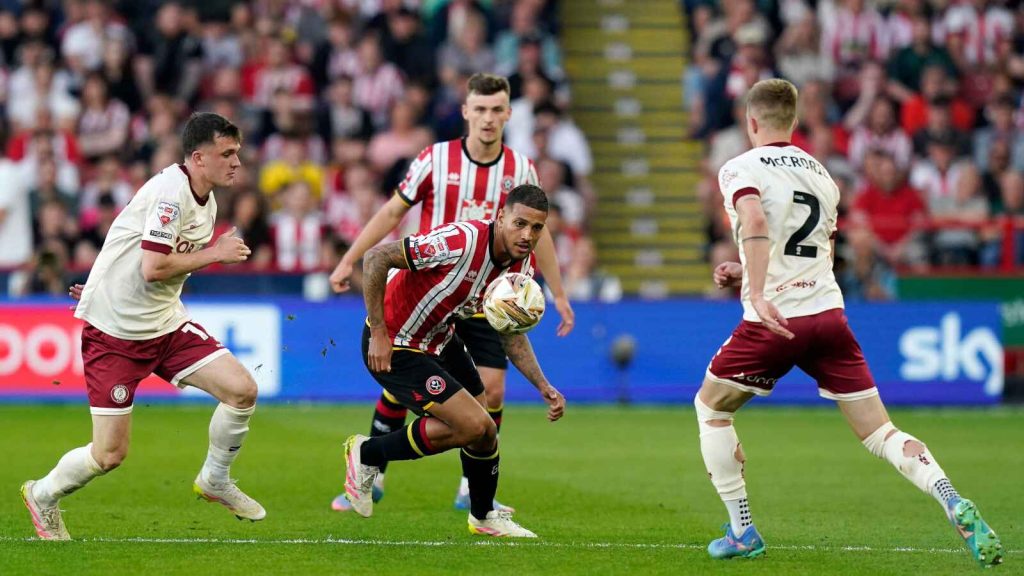
- The Struggle: Traditional powerhouses like Sheffield United have found the transition back to the second tier difficult, highlighting the “relegation hangover” that often plagues clubs.
Tactical Trends in the Championship
The days of “Route One” football in the efl championship are largely over. The league has become a breeding ground for elite coaching talent. Managers like Kieran McKenna and Frank Lampard have introduced sophisticated tactical systems involving “inverted full-backs,” “high-pressing triggers,” and complex “build-up play” from the back.
The physicality remains, but it is now paired with a level of technical proficiency that makes the efl championship one of the most high-quality “second divisions” in the world.
As we approach the end of December 2025, the efl championship promotion race has shifted from a chaotic scramble into a high-stakes tactical chess match.
Based on the current standings and performance data, let’s analyze the promotion chances for the league’s most dominant force this season: Coventry City.
Club Analysis: Coventry City
Current Position: 1st
Points: 51 (after 23 games)
Form Trend: Slightly “idling” but still dominant.
1. The “Lampard Effect” and Tactical Dominance
Under the management of Frank Lampard, the Sky Blues have transformed into a relentless offensive machine. They are currently the league’s top scorers with 54 goals, an incredible average of over 2.3 goals per game. Their tactical setup focuses on high possession and a high volume of shots (averaging 11.7 per match), making them the most feared attacking unit in the efl championship.
2. Statistical Probability of Promotion
Historically, teams that cross the 50-point mark by Christmas have an over 90% success rate for automatic promotion. With 51 points from 23 matches, Coventry is currently on pace for a 100-point season. This puts them in the same elite bracket as recent dominant champions like Leicester City and Burnley.
3. The “Brandon Thomas-Asante” Factor
While the outlook is overwhelmingly positive, there is a minor red flag. The recent hamstring injury to top scorer Brandon Thomas-Asante has coincided with a slight dip in form (only one win in their last four December fixtures).
- The Risk: If they don’t find a reliable secondary scoring threat during the January transfer window, their 8-point cushion over Middlesbrough could evaporate quickly in the grueling Tuesday-Saturday-Tuesday schedule of the New Year.
- The Opportunity: Coventry’s home record at the Coventry Building Society Arena remains unbeaten (9-2-0), providing a massive “fortress” advantage for the second half of the season.
Current Promotion Probability Tier List
| Club | Status | Analysis |
| Coventry City | Heavy Favorites | 1/8 odds; historically safe if they avoid a total January collapse. |
| Middlesbrough | Strong Contenders | Only 8 points behind; under Kim Hellberg, they lead the league in passing accuracy. |
| Ipswich Town | Play-off Locks | Squeezing into the top three; they have the squad depth to outlast others in March/April. |
| Hull City | Wildcards | High-scoring but defensively leaky; likely destined for the Play-off lottery. |
The Verdict
Coventry City has a 92% chance of automatic promotion based on current points-per-game metrics. Their primary challenge isn’t the opposition, it’s managing their own squad depth and injury list through the winter months. If they exit January with a 5-point lead, they are essentially locks for a return to the Premier League for the first time since 2001.
In the high-stakes environment of the efl championship, a “dark horse” isn’t just a team that overperforms; it’s a team that disrupts the financial hierarchy of the league.
As of late December 2025, two clubs fit this description perfectly, though for very different reasons. Let’s look at the promotion chances for the “Hollywood Story” of Wrexham and the “Tactical Disruptors” at Hull City.
1. The Statistical Dark Horse: Hull City
Current Position: 4th
Promotion Probability: 35% (via Play-offs)
Hull City is the definition of a “high-variance” team. Under manager Sergej Jakirović, they have abandoned the conservative approach of previous seasons for a high-risk, high-reward “Direct Transition” style.
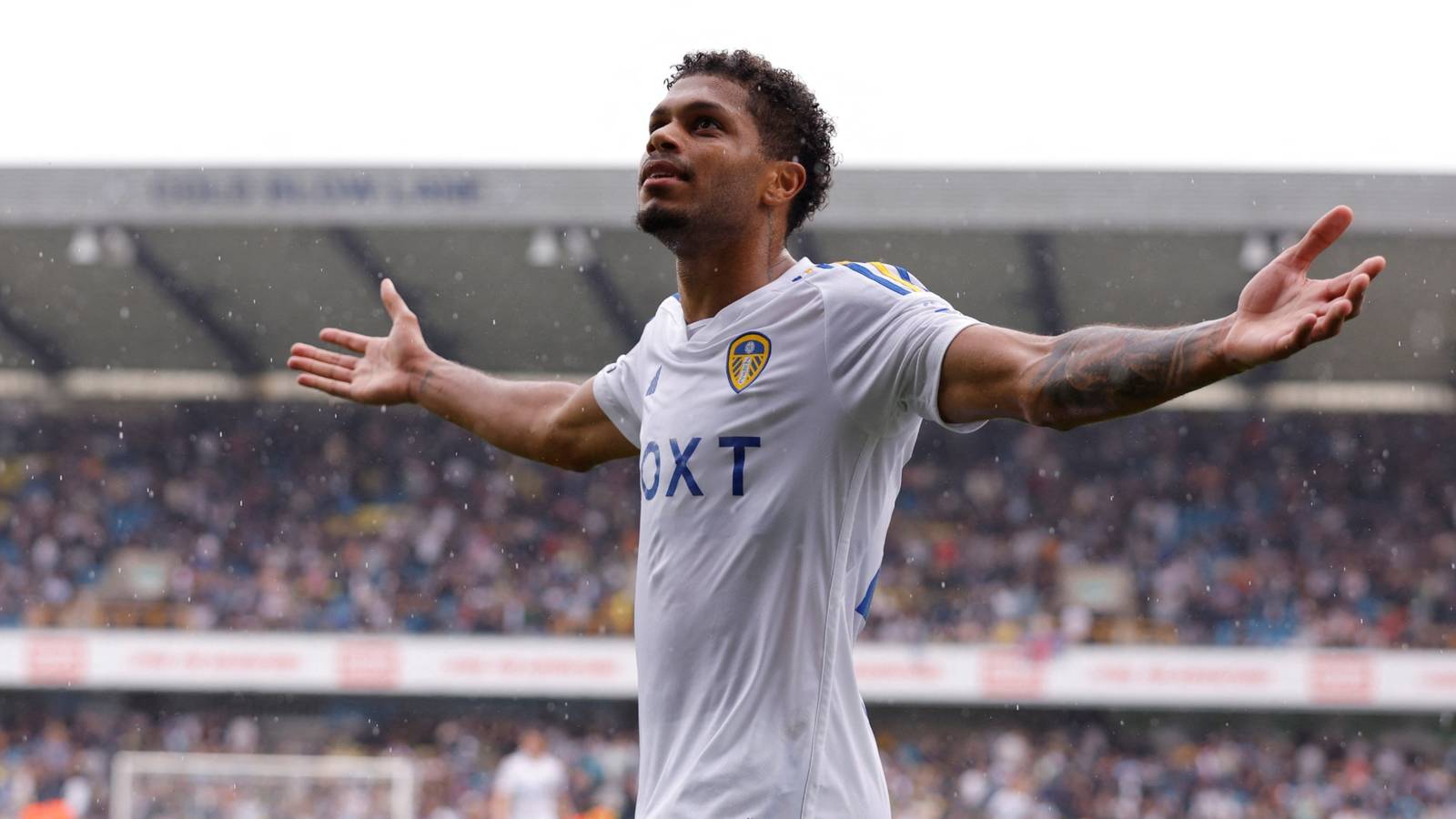
- The Firepower: In Joe Gelhardt, Hull possesses one of the most clinical finishers in the efl championship. His 10 goals before the New Year have kept Hull within touching distance of the automatic spots.
- The Creative Engine: Left-back Ryan Giles is currently statistically the most creative defender in the league, recording 8 assists. His ability to bypass midfields with long, accurate diagonals is a nightmare for teams that play a high defensive line.
- The “Glass Ceiling”: Their defensive record (37 goals conceded) is the worst in the top six. To secure promotion, Jakirović must fix the “step up” issues in his backline, which was highlighted in their recent chaotic 2-2 draw with Sheffield Wednesday.
2. The Narrative Dark Horse: Wrexham AFC
Current Position: 13th
Promotion Probability: 12% (Play-off Outsiders)
Wrexham’s first season back in the efl championship since 1982 has been a roller coaster. While mid-table might seem “safe,” their trajectory suggests they could pull off a late-season surge.
- Resilience over Riches: After a shaky start that saw them near the relegation zone in September, Phil Parkinsonhas stabilized the squad. Their recent 5-3 thriller against Sheffield United proved they can go toe-to-toe with the league’s heavyweights.
- The January “Wildcard”: With the financial backing of Ryan Reynolds and Rob McElhenney, Wrexham is expected to be the most active club in the January transfer window. If they land a top-tier defensive midfielder to shield their back four, they could bridge the 7-point gap to the Play-off spots.
- The Target: Realistically, Wrexham is a “dark horse” for the Play-offs rather than automatic promotion. However, as we know, once a team with Wrexham’s momentum reaches Wembley, the “Hollywood ending” becomes almost inevitable.

Comparative Outlook: Hull vs. Wrexham
| Metric | Hull City | Wrexham |
| Primary Strength | Elite Transition Play | Home Ground Intimidation |
| Primary Weakness | Defensive Organization | Tactical Adaptability |
| Key Player | Joe Gelhardt | Kieffer Moore |
| Likely Finish | 3rd – 6th (Play-offs) | 8th – 12th (Mid-table) |
Final Thoughts
While Hull City has the tactical blueprint to challenge Middlesbrough for the second automatic spot, Wrexhamremains the team no one wants to face in the run-in. If Wrexham can turn their 10 draws into wins, they will be the ultimate dark horse of the 2025/26 efl championship season.
While the top of the efl championship table captures the glory, the bottom of the division is currently a site of immense struggle for some of English football’s most storied institutions.
As of late December 2025, the “dogfight” to avoid League One has split into two distinct narratives: those fighting the math of a points deduction and those fighting a collapse in form.
The “Miracle” Needed: Sheffield Wednesday
Position: 24th (Last)
Points: -8 (after 22 games)
Status: Near Certainties for Relegation
Sheffield Wednesday’s season was derailed before it began due to a combined 18-point deduction for administration and financial breaches.
- The Reality: While the Owls have managed to pick up points on the pitch, including a gritty 2-2 draw with Hull City on Boxing Day, the mathematical mountain is simply too high.
- The Silver Lining: Manager Henrik Pedersen has used the season to integrate youth talent like Bailey-Tye Cadamarteri. For Wednesday, the rest of the 2025/26 efl championship campaign is about building a culture that can dominate League One next year.
The Falling Giant: Norwich City
Position: 23rd
Points: 21
Status: In Crisis
Perhaps the biggest shock of the 2025/26 season is the collapse of Norwich City. Usually a “yo-yo” club fighting for the Premier League, the Canaries are currently in the bottom three.
- The Problem: A “soft centre” and a league-high number of goals conceded from set-pieces. Despite firing their previous manager and bringing in Philippe Clement, the results haven’t followed.
- The Hope: They secured a vital 1-0 win over Charlton on December 26th, ending a 6-game losing streak. They are only 1 point behind safe-haven Oxford United, meaning their survival is still very much in their own hands.
The Survival Scramble: Oxford United & Portsmouth
Positions: 21st & 22nd
Points: 22 each
Both Oxford and Portsmouth were tipped as relegation candidates in pre-season predictions, and those forecasts are proving accurate.
- Oxford United: Currently without a permanent manager, they are “walking on thin ice.” They lack a clinical goalscorer, with no player reaching more than 5 goals so far this season.
- Portsmouth: Pompey’s season has been defined by draws. While they are hard to beat at Fratton Park, their inability to turn 1 point into 3 has kept them mired in the bottom three.

Relegation Probability (As of Dec 29, 2025)
| Club | Relegation Risk | Key Reason |
| Sheffield Wednesday | >99% | Points deduction is insurmountable. |
| Norwich City | 45% | Squad is too talented to stay down, but morale is broken. |
| Oxford United | 60% | Managerless and lacking goal threat. |
| Portsmouth | 55% | Too many draws; lack of “killer instinct.” |
| Swansea City | 20% | Hovering just above the zone; inconsistent but likely safe. |
The January Pivot
For clubs like Norwich and Porsmouth, the January Transfer Window is their last lifeline. History in the efl championship shows that one “survival signing” usually a veteran striker or a commanding center-back—can be the difference between staying in the second tier and the financial disaster of League One.
Conclusion: The Relentless Pursuit
The efl championship is more than just a gateway to the Premier League. It is a 46-round test of character, fitness, and tactical flexibility. Whether you are a fan of a club fighting for the play-offs or a neutral observer looking for the purest form of competitive football, the Championship never fails to deliver.
The 2025/26 season is far from over, and if history is any indication, the final day in May will bring tears of joy for three clubs and heartbreak for many others. That is the beauty and the cruelty of the efl championship.
Never Miss a Winner: Subscribe for Elite Championship Predictions
The efl championship is the most unpredictable league in the world, but you don’t have to navigate the chaos alone. Whether you are tracking Coventry’s march to the title or Norwich’s fight for survival, our expert analysts use a blend of advanced xG metrics, tactical scouting, and financial oversight to bring you the sharpest insights in the game.
Join over 15,000 Sky Blue and EFL fanatics who stay one step ahead of the curve.
By joining our “Championship Insider” community, you’ll unlock:
- The Weekly Predictor: A deep dive into every fixture, identifying “edge” opportunities before the bookmakers react.
- Tactical Breakdowns: Why teams like Hull City are surging and how managers like Frank Lampard are changing the game.
- PSR Watch: Real-time updates on which clubs are at risk of points deductions and transfer embargoes.
- Early Access: Get our promotion and relegation “Probability Tiers” delivered to your inbox 24 hours before they go live on the site.
Sign Up for Free Predictions > No spam. Just pure, unadulterated EFL drama. Cancel anytime.













Comments 1