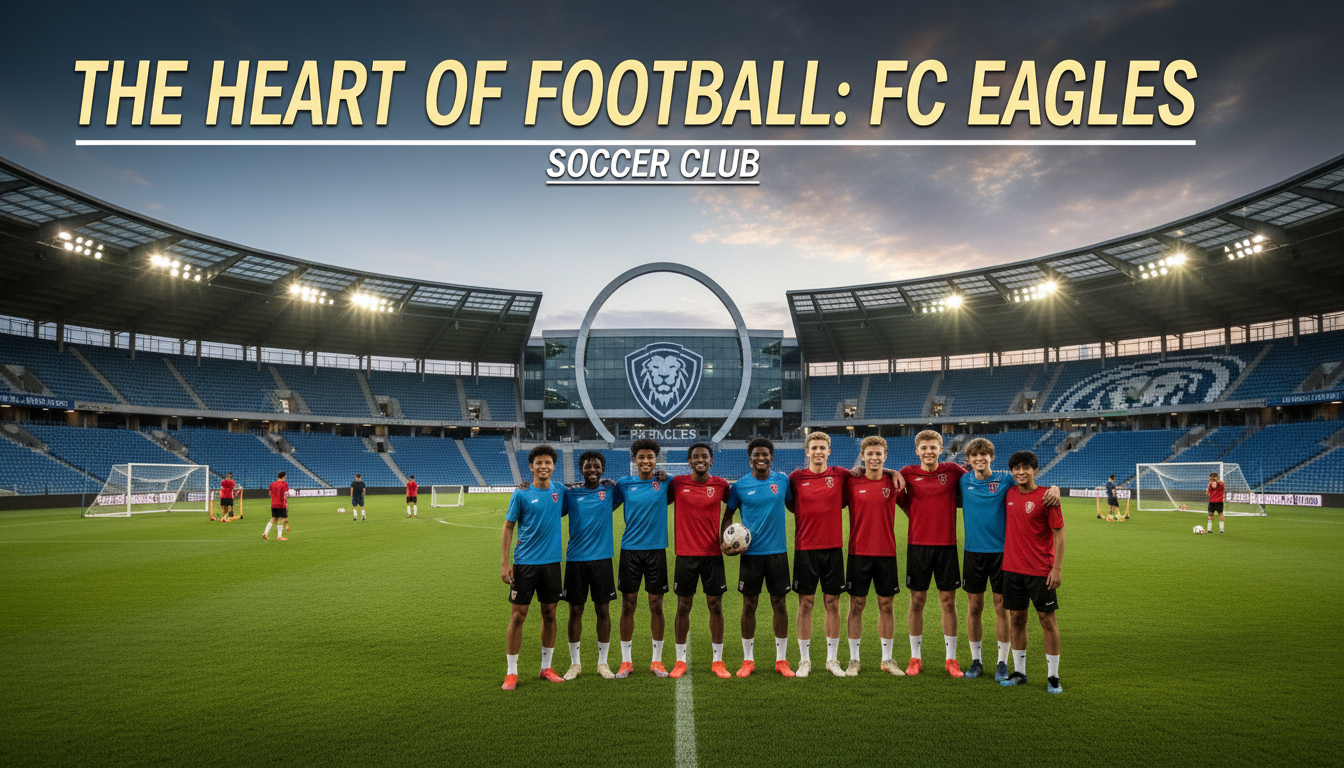


MLS teams are no longer a nascent force in the global soccer landscape; they have evolved into vibrant, competitive entities that captivate millions. The Major League Soccer (MLS) has witnessed a meteoric rise in popularity and quality, transforming from a league with modest ambitions to a powerhouse showcasing world-class talent and passionate fan bases. This blog post will delve deep into the fascinating world of MLS teams, exploring their history, their current standing, the unique characteristics that make each one special, and the burgeoning future of American soccer.
The Evolution of MLS Teams: From Humble Beginnings to Global Recognition
The journey of MLS teams is a testament to strategic planning, significant investment, and an unwavering belief in the potential of soccer in North America. Established in 1996, MLS was born out of the successful hosting of the 1994 FIFA World Cup, a landmark event that ignited a passion for the sport across the United States. The initial years were challenging, marked by lower attendance figures, limited media coverage, and a perception of being a retirement league for aging stars. However, a concerted effort to build sustainable franchises, invest in youth development, and attract a new generation of talent has led to the league’s remarkable transformation.
The introduction of the Designated Player Rule in 2007 proved to be a game-changer. This rule allowed teams to sign a select number of players outside their salary cap, attracting global superstars like David Beckham, Thierry Henry, and Zlatan Ibrahimović. Their presence not only elevated the on-field product but also significantly boosted the league’s profile and commercial appeal. This influx of talent paved the way for more talented players, both domestic and international, to consider MLS as a viable and exciting career destination. The league has consistently strived to improve its infrastructure, stadium experience, and fan engagement, creating a compelling product that resonates with a growing audience.
The Current Landscape of MLS Teams: A Diverse and Competitive League
Today, the MLS features a diverse array of MLS teams, each with its own unique identity, history, and fan culture. From the established powerhouses with long-standing rivalries to the newer expansion teams making their mark, the league offers a rich tapestry of competition. The geographic spread of the teams is also remarkable, encompassing major metropolitan areas across the United States and Canada, fostering regional pride and intense local derbies. This diversity is a key strength of the league, allowing for a wide range of fan experiences and playing styles.
The Eastern and Western Conferences are fiercely contested, with teams battling for supremacy throughout the regular season and in the high-stakes Audi MLS Cup Playoffs. The parity within the league is also noteworthy; while some teams consistently perform well, the MLS Cup has seen a variety of champions crowned, demonstrating that on any given day, any team can emerge victorious. This unpredictability adds an extra layer of excitement for fans and bettors alike. The league’s commitment to fair play and competitive balance is a cornerstone of its success, ensuring that the championship race remains open and engaging.
Eastern Conference Powerhouses and Rising Stars
The Eastern Conference boasts several historically significant MLS teams with passionate fan bases. The New England Revolution, one of the original expansion teams, has a rich history of competitive play, though a championship title has eluded them. Their consistent presence in the playoffs signifies their enduring strength. Further south, D.C. United, a club with multiple MLS Cups to its name, remains a formidable opponent, drawing on a legacy of success. The Philadelphia Union has emerged as a consistent contender in recent years, known for its strong academy system and gritty playing style. Their passionate supporters create an electric atmosphere at Subaru Park.
Newer additions to the Eastern Conference have quickly established themselves as significant forces. Atlanta United FC, since their inception in 2017, has achieved remarkable success, including an MLS Cup victory and record-breaking attendance figures. Their electrifying performances and vibrant fan base have redefined the fan experience in MLS. Nashville SC, another recent expansion team, has rapidly built a dedicated following and a reputation for being a difficult team to play against, particularly at their state-of-the-art Geodis Park. The growth of these newer franchises underscores the league’s expansion and its ability to integrate new teams effectively into the competitive landscape.
Western Conference Contenders and Historic Franchises
The Western Conference is equally competitive, featuring a mix of historic franchises and ambitious newcomers. The LA Galaxy, the most decorated club in MLS history, has a storied past, boasting numerous MLS Cups and iconic players. Their legacy continues to inspire, and they remain a major draw in the league. Seattle Sounders FC, another perennial contender, has also achieved significant success, including multiple MLS Cups, and is renowned for its vocal and dedicated supporter group, the Emerald City Supporters, who create an unparalleled atmosphere at Lumen Field. Their consistent performance is a testament to their strong management and talented roster.
The Portland Timbers, known for their passionate fan base and unique “Timber Army” at Providence Park, have also carved out a significant niche in the league, claiming an MLS Cup title. Their rivalry with the Seattle Sounders is one of the most intense in MLS. Further west, Real Salt Lake, a club that has experienced periods of great success, continues to be a competitive force. The Vancouver Whitecaps FC, representing Canada in the Western Conference, have steadily grown their presence and are known for their commitment to developing young talent. The emergence of teams like Austin FC, with their passionate fanbase and modern stadium, further enriches the competitive fabric of the Western Conference. The ongoing development of these MLS teams ensures a dynamic and exciting league season.
The Global Appeal of MLS Teams: Attracting International Talent and Fans
The growth of MLS teams has not been confined to North America; their global appeal has surged. The league is now a desirable destination for talented players from around the world, seeking competitive challenges, a high quality of life, and a chance to play in a rapidly developing soccer market. This influx of international talent has significantly raised the technical and tactical level of the league, making it more attractive to viewers worldwide. The Designated Player Rule, while sometimes controversial, has undeniably played a crucial role in bringing renowned players to MLS.
Beyond the players, MLS is attracting a diverse global fan base. As more people recognize the quality of play and the passionate atmosphere surrounding MLS teams, the league’s viewership continues to expand internationally. Social media platforms and streaming services have made it easier than ever for fans across the globe to follow their favorite teams and players. This global reach is vital for the continued growth and commercial success of Major League Soccer. The league’s efforts to engage with international audiences, through initiatives like international matches and partnerships, further solidify its global standing. The official MLS website provides a wealth of information on all the teams and their schedules.
The Future of MLS Teams: Expansion, Innovation, and Continued Growth
The future of MLS teams appears exceptionally bright, with ambitious plans for expansion and continuous innovation. The league has a clear strategy for adding new franchises, with several cities vying for the opportunity to host an MLS club. This expansion is not just about increasing the number of teams; it’s about bringing professional soccer to new markets, fostering deeper connections with communities, and further solidifying soccer’s place as a major sport in North America. The recent addition of teams like St. Louis City SC and Charlotte FC demonstrates this ongoing commitment to growth.
Innovation is another key driver of MLS’s future. The league is constantly exploring new technologies to enhance the fan experience, both in stadiums and through broadcast media. From advanced analytics and player tracking to immersive viewing experiences, MLS is committed to staying at the forefront of sports technology. Furthermore, the league’s dedication to youth development through its academies is crucial for nurturing the next generation of American and Canadian soccer talent, reducing the reliance on international signings and building a more sustainable domestic talent pool. The strategic partnerships with international leagues, such as the recent collaboration with the English Premier League, signal a commitment to global integration and knowledge sharing.
Youth Development: The Bedrock of MLS Teams’ Success
The emphasis on youth development within MLS teams is a critical factor in the league’s long-term sustainability and competitive edge. Most MLS clubs now boast robust academy systems that scout, train, and develop young players from an early age. These academies are designed to mirror professional training environments, providing aspiring footballers with elite coaching, educational support, and a clear pathway to the first team. This investment in homegrown talent not only reduces the cost of acquiring players but also fosters a deeper connection between the players and their local fan bases.
Players who emerge from these academies are often deeply ingrained in the club’s culture and playing philosophy, leading to more cohesive and motivated teams. The success of these homegrown players in MLS and even in top European leagues is a testament to the quality of the development programs. For instance, the academies of clubs like the Philadelphia Union and FC Dallas have consistently produced talented players who have gone on to represent their national teams and play at the highest levels. This focus on nurturing local talent is a hallmark of a maturing soccer league and a key indicator of the continued strength of MLS teams. Examining the statistics and performance of these youth players can provide valuable insights for those interested in the future of American soccer.
Tactical Advancements and Playing Styles
As MLS teams continue to evolve, so do their tactical approaches and playing styles. The league is no longer a homogenous entity; it showcases a diverse range of tactical philosophies. You’ll find teams that prioritize possession-based football, meticulously building attacks from the back, while others adopt a more direct, counter-attacking style, relying on speed and athleticism. Some teams are known for their high-pressing tactics, aiming to win the ball back in advanced areas, whereas others prefer a more organized defensive shape, looking to frustrate their opponents and exploit set-piece opportunities. This tactical diversity makes the league incredibly interesting to watch and analyze.
The influence of international coaches and players has undoubtedly contributed to this tactical richness. Coaches from various footballing backgrounds bring their own unique ideas and methodologies, which are then implemented by the players. This cross-pollination of ideas creates a dynamic environment where teams are constantly adapting and innovating. Furthermore, the increasing availability of advanced analytics and video analysis tools allows coaches and players to study opponents and refine their strategies more effectively. Understanding these tactical nuances is crucial for appreciating the strategic depth of the league and for making informed predictions about match outcomes. The ability of MLS teams to adapt their tactics based on opposition and game situations is a mark of their growing sophistication.
The Fan Experience: Passion, Rivalries, and Community
The experience of supporting MLS teams is a vibrant and passionate affair. From the ultras in the stands orchestrating chants and elaborate tifos to families enjoying a day out at the stadium, the fan culture is diverse and inclusive. Rivalries are a cornerstone of this experience, igniting fierce competition and creating memorable occasions. The Cascadia Cup, contested between the Seattle Sounders, Portland Timbers, and Vancouver Whitecaps, is renowned for its intensity and passionate fan engagement. Similarly, the Hudson River Derby between the New York Red Bulls and New York City FC has quickly become one of the most anticipated fixtures in the league.
Beyond the matchday excitement, MLS teams are deeply integrated into their local communities. Clubs often engage in various community outreach programs, supporting local charities, schools, and youth soccer initiatives. This commitment to community building fosters a strong sense of belonging and loyalty among fans, transcending the game itself. The stadium experience is also a crucial element, with many clubs investing in modern, fan-friendly venues that offer excellent sightlines, diverse food and beverage options, and interactive entertainment. The development of dedicated fan sections, like the “Wall” at Allianz Field for Minnesota United FC, exemplifies the league’s commitment to creating an electrifying atmosphere. The strong connection between MLS teams and their fan bases is a key differentiator.
Understanding MLS Rivalries: More Than Just 90 Minutes
The rivalries within Major League Soccer are not merely about geographical proximity; they are often fueled by historical narratives, dramatic encounters, and intense competition for bragging rights. These clashes are the lifeblood of a league, drawing in casual fans and igniting the passion of the most dedicated supporters. The aforementioned Cascadia Cup, for instance, is more than just a trophy; it represents a regional identity and a deep-seated animosity between the Pacific Northwest’s major cities. The chants, the banners, and the sheer volume of noise generated by the supporters are a testament to the intensity of these matchups.
Another compelling rivalry is the Texas Derby between FC Dallas and Houston Dynamo. This fixture embodies the passionate soccer culture of Texas, with both teams fiercely contesting for supremacy in the Lone Star State. The intensity on the field is often matched by the energy of the traveling supporters, making these games must-watch events. The emergence of newer rivalries, such as the one between LA Galaxy and LAFC, known as El Tráfico, showcases the league’s ability to cultivate intense competition even between relatively new franchises. These rivalries are a crucial element in the narrative of MLS teams and contribute significantly to the league’s growing appeal. The tactical battles and individual duels within these rivalries often lead to unpredictable and exciting soccer.
The Role of Technology in Enhancing the Fan Experience
Technology plays an increasingly vital role in enhancing the fan experience for MLS teams, both inside and outside the stadium. Mobile ticketing and cashless payment systems streamline entry and purchasing, reducing friction for attendees. In-stadium Wi-Fi allows fans to share their experiences on social media in real-time and access exclusive content or replays. Augmented reality (AR) features in official club apps can overlay player statistics onto the field of play or provide interactive stadium maps. Furthermore, advanced broadcast technologies, including multiple camera angles, player tracking data displayed on screen, and immersive audio, bring the game closer to fans watching at home.
The integration of fantasy sports and sports betting platforms also connects fans more deeply with the outcomes of matches involving MLS teams. This engagement can lead to increased viewership and a greater overall interest in the league. Social media platforms serve as a constant conduit for communication between clubs and fans, with teams sharing behind-the-scenes content, training updates, and engaging directly with supporter queries. This two-way communication fosters a stronger sense of community and makes fans feel more connected to their chosen club. The continuous evolution of technology promises even more innovative ways for fans to interact with and enjoy the sport. This technological integration is a key aspect of how MLS teams are building lasting relationships with their supporters.
Key Factors Contributing to the Success of MLS Teams
Several interconnected factors have propelled the success of MLS teams. Firstly, consistent investment from ownership groups, often comprised of wealthy individuals and well-established sports conglomerates, has provided the financial backbone for team development, player acquisition, and stadium construction. Secondly, the league’s commitment to a salary cap and revenue sharing, while adjusted over time, has fostered a degree of competitive balance, preventing a few wealthy clubs from dominating the landscape. This ensures that more teams have a realistic chance of competing for silverware.
Thirdly, the strategic expansion of the league into new markets has broadened its appeal and created new fan bases. The successful integration of expansion teams, such as Atlanta United FC and LAFC, demonstrates the league’s ability to identify and cultivate promising markets. Fourthly, the focus on developing domestic talent through robust academy systems is crucial for long-term sustainability and for building a recognizable pool of American and Canadian players. Finally, the increasing quality of play, driven by the influx of international talent and the maturation of homegrown players, has made MLS a more attractive product for both domestic and international audiences. These elements combined are the engine driving the progress of MLS teams.
The Impact of Ownership on Team Performance
The role of ownership in the success of MLS teams cannot be overstated. Committed and visionary ownership groups provide the essential resources and strategic direction that enable clubs to thrive. This includes significant financial investment in player salaries, infrastructure such as training facilities and stadiums, and marketing efforts to build brand recognition and fan engagement. Owners who understand the nuances of soccer and are willing to invest for the long term are crucial for developing a sustainable and competitive franchise.
For instance, the ownership of Seattle Sounders FC has consistently demonstrated a deep commitment to winning, evident in their significant player acquisitions and their focus on building a championship-caliber squad. Similarly, the ownership of Atlanta United FC, from its inception, prioritized creating a world-class fan experience and building a team that could compete immediately, leading to rapid success. Conversely, teams with less committed or less financially capable ownership groups often struggle to keep pace with the league’s evolving standards. The presence of experienced sports executives and former players within ownership groups can also bring invaluable expertise to team management and player development. The long-term vision and financial stability provided by ownership are fundamental to the ongoing growth and success of MLS teams.
Competitive Balance and its Importance
Competitive balance is a cornerstone of Major League Soccer’s appeal and a key factor in the success of its MLS teams. The league’s various mechanisms, including the salary cap, targeted allocation money (TAM), general allocation money (GAM), and the Designated Player rule, are designed to distribute talent and resources relatively evenly across the league. This prevents the emergence of a few dominant few and ensures that a wider range of teams have a realistic shot at winning the MLS Cup each season.
This parity generates excitement and unpredictability, keeping fans engaged throughout the regular season and in the playoffs. When any team can realistically contend for the championship, the stakes are higher for every match. It also encourages smart roster management and effective coaching, as teams must maximize their resources to compete. While debates about the effectiveness and fairness of certain allocation rules persist, the overall aim of competitive balance has largely been achieved, contributing significantly to the league’s growing popularity and the sustained interest in MLS teams. This has also made MLS an attractive league for bettors seeking opportunities.
The Journey to the MLS Cup: Playoffs and Championship Dreams
The culmination of the MLS season is the highly anticipated Audi MLS Cup Playoffs. This tournament brings together the top teams from both conferences to compete for the coveted MLS Cup trophy. The playoff format, often featuring knockout rounds and best-of-three series, creates intense drama and high stakes, where every goal and every save can be the difference between glory and heartbreak. The passion and intensity of these playoff matches are a true reflection of the dedication of MLS teams and their supporters.
The journey through the playoffs is a grueling test of skill, mental fortitude, and tactical execution. Teams must navigate challenging opponents, overcome injuries, and maintain peak performance under immense pressure. The MLS Cup final is a showpiece event, watched by millions worldwide, and a moment where legends are made. The dream of lifting the MLS Cup is the ultimate motivation for every player and every club in the league, representing the pinnacle of success for these MLS teams. The unpredictability of the playoffs often leads to surprising runs and memorable underdog stories.
Navigating the Knockout Rounds: Tactics and Pressure
The MLS Cup Playoffs are characterized by their knockout format, where a single loss can end a team’s season. This intensifies the tactical considerations for MLS teams. Coaches must meticulously prepare for specific opponents, identifying their strengths and weaknesses. Game plans often shift from the free-flowing, attacking style seen in the regular season to a more pragmatic approach focused on defensive solidity and exploiting key moments. Set pieces, counter-attacks, and disciplined defending become paramount.
The mental pressure on players during playoff games is immense. The roar of the crowd, the weight of expectation, and the consequence of a single mistake can be overwhelming. Teams with strong leadership, experienced players, and a resilient mentality often fare better in these high-pressure situations. The ability to perform consistently under duress is a hallmark of championship-caliber clubs. Furthermore, the introduction of penalty shootouts in certain playoff rounds adds another layer of dramatic tension, where individual composure and goalkeeping prowess can decide the fate of entire seasons. The tactical chess match and the mental battles that unfold are what make the MLS Playoffs so captivating for fans of MLS teams.
The Future Stars: Identifying Talent Within MLS Teams
As MLS continues to grow, the league is increasingly becoming a breeding ground for future stars. The investment in youth academies and the development of homegrown talent mean that a new generation of exciting players is consistently emerging from within MLS teams. These young talents often possess a combination of technical skill, athleticism, and a hunger to prove themselves on a bigger stage. Keeping an eye on these emerging players can offer valuable insights into the future landscape of American and Canadian soccer.
Many of these young players are now making significant contributions to their teams, earning starting spots and showcasing their potential. Their performances not only benefit their clubs but also contribute to the overall quality of play in the league. The exposure and experience gained by playing against seasoned professionals in MLS provide an invaluable platform for their development. The ongoing search for these future stars within the ranks of MLS teams is a captivating aspect of following the league’s evolution. Some of these players may even go on to represent their national teams in major international tournaments, further raising the profile of MLS.
Spotlighting Emerging Talent: The Next Generation
The landscape of emerging talent within MLS teams is constantly evolving. Players who were once promising academy prospects are now becoming key contributors. For example, the rise of young American midfielders like Weston McKennie and Tyler Adams, who honed their skills in MLS academies before moving to Europe, highlights the league’s ability to develop world-class talent. While these players have moved on, their success serves as inspiration and proof of the quality of development within MLS. Many other players are currently following similar trajectories within their respective clubs.
Clubs like FC Dallas have a celebrated history of producing homegrown talent, with players like Ricardo Pepi and Reggie Cannon making significant impacts before securing lucrative moves abroad. The Philadelphia Union’s academy has also consistently churned out quality players, forming the backbone of their successful teams. Identifying these players early can be a rewarding experience for scouts, analysts, and even passionate fans who enjoy witnessing the development of future stars. The continued investment in youth development by MLS teams ensures that this pipeline of talent will remain robust, promising an exciting future for American and Canadian soccer. The tactical intelligence and technical proficiency displayed by these emerging players are often a sign of their potential for greatness. For those interested in understanding the future of the sport, following these young talents is paramount.
Conclusion: The Enduring Appeal of MLS Teams
In conclusion, MLS teams have come a long way from their humble beginnings. They have transformed into dynamic, competitive, and globally recognized entities that are integral to the ever-growing sport of soccer in North America. The league’s commitment to expansion, innovation, and fan engagement has created a vibrant ecosystem that continues to attract talent, foster passionate fan bases, and deliver exciting soccer for millions. The future of MLS is undeniably bright, with new stadiums, ambitious expansion plans, and a continuous stream of emerging talent all pointing towards further growth and success for these remarkable MLS teams.
The unique blend of established franchises, exciting expansion clubs, and the ever-present dream of lifting the MLS Cup makes following MLS teams a truly compelling experience. Whether you are a seasoned soccer aficionado or a newcomer to the sport, the passion, skill, and community surrounding Major League Soccer offer something for everyone. The league’s evolution is a story of perseverance, strategic vision, and a shared love for the beautiful game. The continued development of these MLS teams is a testament to the enduring power of soccer in the United States and Canada.
Unlock Your Winning Edge: Subscribe for Expert Soccer Predictions
Are you passionate about soccer and looking to enhance your viewing and betting experience? Understanding the intricacies of MLS teams, their tactical approaches, and the key factors influencing their performance can give you an edge. At Daily Soccer Picks, we provide expertly crafted predictions and analysis to help you make more informed decisions. Our team of seasoned soccer analysts delves deep into the data, team news, and tactical trends to offer you the best possible insights.
If you’re particularly interested in the world’s most popular league, don’t miss out on our specialized English Premier League content. For the ultimate advantage in your soccer betting endeavors, subscribe today to receive daily English Premier League soccer predictions directly to your inbox. Click here to subscribe for the best predictions: Subscribe to Daily English Premier League Soccer Picks. Join our community of informed bettors and start making smarter picks!