


Introduction: Discovering the Enigmatic Spain National Football Team
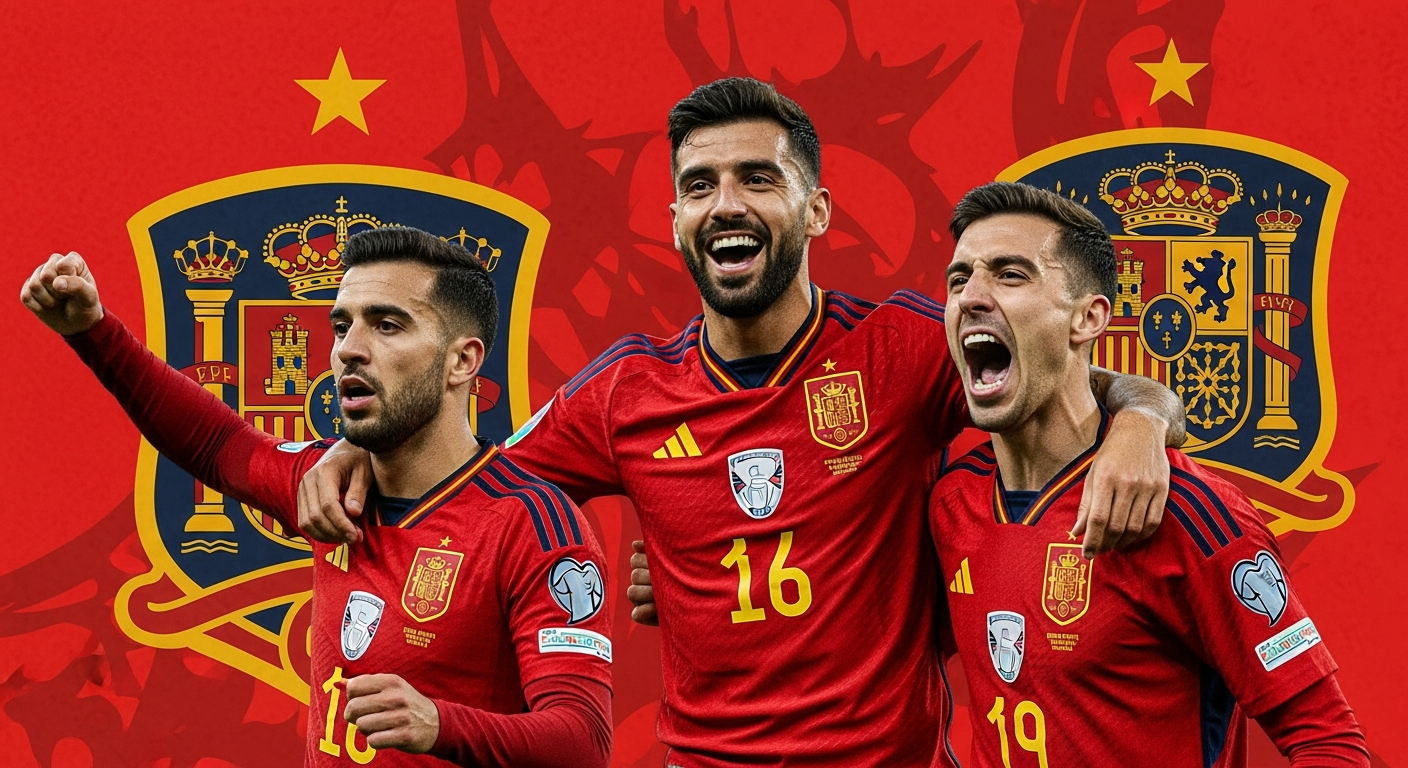
The spain national football team, also known as La Roja, has captivated football fans worldwide with their mesmerizing tiki-taka style and their triumphs on the international stage. From their dominant era in the late 2000s and early 2010s to their recent resurgence, the Spanish national team has consistently been a force to be reckoned with. This blog post delves into the fascinating history, key players, tactical approaches, and future prospects of the spain national football team. We’ll also provide insights and, of course, our very best predictions.
Spain’s impact on global football is undeniable. Their possession-based playing style revolutionized the game, influencing countless teams and coaches. Iconic players like Xavi Hernandez, Andres Iniesta, and Iker Casillas cemented their legacy as legends of the sport. But beyond the glory and accolades, the spain national football team faces continuous pressure to maintain its status as a top contender. This is a challenge they are certainly up for, we think.
In this comprehensive guide, we will explore the team’s historical milestones, analyze their current squad, examine their tactical evolution, and project their potential future success. We’ll also highlight some lesser-known facts that even the most ardent fans might not be aware of. So, buckle up and prepare for an exciting journey into the world of La Roja!
A Glorious History: Spain’s Journey to Footballing Dominance
The history of the spain national football team is a tapestry woven with threads of both triumph and heartbreak. While early years saw periods of promise, it wasn’t until the late 2000s that La Roja truly ascended to the pinnacle of international football.
Early Years and Initial Struggles
The Spanish national team played its first official match in 1920, participating in the Antwerp Olympics. However, early success was sporadic, and the team often struggled to compete with the established powerhouses of European football. The Spanish Civil War further disrupted the development of the sport, hindering the team’s progress for several years. Early tournaments did not bring great success, but the seeds of future dominance were being sown.
The 1964 European Championship Triumph
Spain’s first major international title came in 1964 when they hosted and won the European Championship. Led by legendary players like Luis Suarez, Spain defeated the Soviet Union in the final, marking a significant milestone in the nation’s footballing history. This victory provided a much-needed boost to Spanish football and instilled a sense of national pride. You can read more about this historic victory on UEFA’s official website.
A Period of Frustration and Near Misses
Despite the 1964 triumph, the following decades were marked by frustration and near misses for the spain national football team. They consistently qualified for major tournaments but often fell short of expectations, failing to replicate the success of the mid-1960s. The team struggled to find a consistent identity and often lacked the tactical cohesion needed to compete with the top teams.
The Golden Era: Dominance from 2008 to 2012
The late 2000s and early 2010s witnessed a golden era for the spain national football team, arguably the most dominant period in their history. Under the guidance of coach Luis Aragones and later Vicente del Bosque, Spain revolutionized international football with their possession-based “tiki-taka” style. This period marked a significant shift in the team’s fortunes, ushering in an era of unprecedented success. This era involved a tactical change that completely changed the image of the national side.
The tiki-taka system, characterized by short, precise passing and relentless ball control, allowed Spain to dictate the tempo of matches and dominate possession. Players like Xavi Hernandez, Andres Iniesta, and Sergio Busquets became the embodiment of this style, orchestrating Spain’s attacks with their exceptional passing and vision. The ability to retain possession and control the flow of the game proved to be a winning formula.
- Euro 2008 Victory: Spain’s golden era began with their triumph at Euro 2008. They defeated Germany in the final, showcasing their tiki-taka style and laying the foundation for future success.
- 2010 World Cup Glory: The pinnacle of Spain’s dominance came at the 2010 World Cup in South Africa. After a shaky start, they grew in confidence and momentum, eventually defeating the Netherlands in the final thanks to an extra-time goal from Andres Iniesta.
- Euro 2012 Triumph: Spain cemented their status as the undisputed kings of international football by winning Euro 2012. They displayed their dominance by defeating Italy in the final, showcasing their tactical versatility and attacking prowess.
This period of dominance established the spain national football team as one of the greatest teams in football history, leaving an indelible mark on the sport and inspiring countless teams around the world. To see official match highlights, check out FIFA’s official website.
Post-Golden Era Challenges and Rebuilding
Following their unprecedented success, the spain national football team faced a period of transition and rebuilding. The core players from the golden era began to age, and the team struggled to maintain their dominance. Disappointing performances in subsequent tournaments led to changes in management and a search for new talent.
The transition period was characterized by experimentation and a gradual shift away from the tiki-taka style. While Spain continued to emphasize possession-based football, they also sought to incorporate more direct and attacking elements into their game. The emergence of new talents like Marco Asensio and Rodri offered hope for the future, but the team faced a challenging period of adjustment. However, the new generation brings with it a new hope.
Recent Resurgence and Future Prospects
In recent years, the spain national football team has shown signs of resurgence, with a new generation of talented players emerging and a renewed sense of optimism surrounding the team. Under the guidance of coach Luis Enrique and now Luis de la Fuente, Spain has adopted a more dynamic and attacking approach, combining their traditional possession-based style with greater pace and penetration.
The team’s recent performances in international tournaments have been encouraging, demonstrating their ability to compete with the top teams in the world. With a blend of experienced veterans and exciting young talents, the spain national football team is poised to challenge for major honors in the years to come. The future of La Roja looks bright.
Key Players: The Stars Who Define La Roja
The success of the spain national football team has always been driven by the exceptional talent and dedication of its key players. From legendary figures of the past to the current crop of stars, these individuals have shaped the identity and destiny of La Roja.
Legends of the Past
- Iker Casillas: Widely regarded as one of the greatest goalkeepers of all time, Casillas captained Spain to their World Cup and European Championship triumphs. His shot-stopping ability and leadership qualities were instrumental to the team’s success.
- Xavi Hernandez: A midfield maestro and the embodiment of the tiki-taka style, Xavi orchestrated Spain’s attacks with his exceptional passing and vision. He was the heartbeat of the team during their golden era.
- Andres Iniesta: Another midfield genius, Iniesta scored the winning goal in the 2010 World Cup final and was renowned for his dribbling skills and creativity. He formed a formidable partnership with Xavi in midfield.
- Fernando Torres: A prolific striker, Torres scored crucial goals for Spain, including the winning goal in the Euro 2008 final. His pace and finishing ability made him a constant threat to opposing defenses.
- David Villa: Spain’s all-time leading goalscorer, Villa was a clinical finisher and a key contributor to the team’s success. His goals were vital in securing their World Cup and European Championship titles.
Current Stars
- Rodri: A defensive midfielder who provides stability and control in the center of the pitch. His ability to break up attacks and distribute the ball effectively makes him a crucial player for the team.
- Pedri: A highly talented young midfielder with exceptional vision and passing ability. He is considered one of the brightest prospects in Spanish football and is expected to play a key role in the team’s future.
- Gavi: Another exciting young midfielder with boundless energy and creativity. His dribbling skills and attacking instincts make him a threat to opposing defenses.
- Alvaro Morata: A versatile striker with a proven goalscoring record. His ability to lead the line and create chances for his teammates makes him a valuable asset to the team.
- Unai Simon: An athletic and reliable goalkeeper who has established himself as Spain’s first-choice shot-stopper. His commanding presence in the penalty area and ability to make crucial saves inspire confidence in the team.
These players represent the present and future of the spain national football team, embodying the team’s values of skill, passion, and determination. Their performances will be crucial to Spain’s success in upcoming tournaments.
Tactical Evolution: From Tiki-Taka to a More Direct Approach
The tactical approach of the spain national football team has undergone a significant evolution over the years, reflecting changes in personnel, coaching philosophies, and the overall landscape of international football.
The Era of Tiki-Taka
The tiki-taka style, characterized by short, precise passing and relentless ball control, defined Spain’s golden era from 2008 to 2012. This system allowed Spain to dominate possession, control the tempo of matches, and wear down their opponents. The success of tiki-taka was largely attributed to the exceptional technical ability and tactical understanding of players like Xavi Hernandez, Andres Iniesta, and Sergio Busquets. They were masters of keeping the ball, making it difficult for other teams to attack, and creating opportunities to score.
However, as opponents became more adept at defending against tiki-taka, Spain’s dominance began to wane. The system was criticized for being overly cautious and lacking in directness, making it difficult to break down well-organized defenses. The team needed to evolve to stay ahead of the curve. This is why they moved away from just a tiki-taka style of play.
Incorporating Directness and Attacking Prowess
In recent years, the spain national football team has sought to incorporate more directness and attacking prowess into their game, while still maintaining their emphasis on possession-based football. This tactical shift reflects a desire to be more proactive and unpredictable in attack, making it more difficult for opponents to anticipate their moves.
The team has experimented with different formations and attacking strategies, including the use of wingers, more direct passing, and a greater emphasis on individual creativity. The emergence of young talents like Pedri and Gavi has also contributed to this tactical evolution, as these players bring a fresh perspective and a willingness to take risks in attack. One of the major components of that style of play is to be as direct and aggressive as possible.
The Influence of Modern Coaching Philosophies
The tactical evolution of the spain national football team has also been influenced by modern coaching philosophies, which emphasize a more flexible and adaptable approach. Coaches like Luis Enrique have encouraged players to think for themselves and make quick decisions on the field, rather than rigidly adhering to a predetermined tactical plan. The flexibility of tactics has allowed Spain to compete on any level.
This approach has allowed Spain to adapt their game plan based on the strengths and weaknesses of their opponents, making them a more versatile and unpredictable team. The emphasis on adaptability and tactical flexibility is a key aspect of Spain’s recent resurgence.
Unbelievable Facts About the Spain National Football Team
Beyond the on-field action and tactical analysis, the spain national football team boasts a rich history filled with fascinating and often unbelievable facts. Here are some of the most intriguing tidbits that you may not know:
- Spain’s First International Match: Spain’s first ever international match was at the 1920 Summer Olympics in Antwerp, Belgium, where they defeated Denmark 1-0. This marked the beginning of their journey on the world stage.
- Record-Breaking Clean Sheets: Iker Casillas holds the record for the most clean sheets in international football for Spain, with an incredible 102 clean sheets in his 167 appearances. This is a testament to his exceptional goalkeeping abilities.
- Dominance in Consecutive Tournaments: Spain is the only national team in history to win three consecutive major international tournaments – Euro 2008, the 2010 World Cup, and Euro 2012. This unprecedented feat cemented their place in football history.
- The “Tiki-Taka” Origins: While the tiki-taka style is often associated with Spain, its roots can be traced back to Johan Cruyff’s Barcelona “Dream Team” of the early 1990s. Spanish coaches and players adapted and refined this style to create their own unique brand of football.
- The Unbeaten Run: Between 2006 and 2009, the spain national football team went on an impressive 35-match unbeaten run, showcasing their consistency and dominance during that period. This run included 32 wins and 3 draws.
- Most Capped Player: Sergio Ramos is Spain’s most capped player, with over 180 appearances for the national team. His longevity and leadership qualities have made him a vital part of the team for many years.
- Youngest Goalscorer: Ansu Fati is the youngest goalscorer in the history of the spain national football team, scoring his first goal at the age of 17 years and 311 days. This record highlights his immense potential and future prospects.
Predicting the Future: What Lies Ahead for La Roja?
The future of the spain national football team is filled with both promise and uncertainty. With a talented squad of young players and a renewed sense of optimism, Spain is poised to challenge for major honors in the years to come. However, they also face challenges in maintaining their competitive edge and adapting to the ever-changing landscape of international football.
Upcoming Tournaments and Qualification Campaigns
Spain’s immediate focus will be on qualifying for upcoming major tournaments, such as the European Championship and the World Cup. The team will need to navigate through challenging qualification campaigns, facing tough opponents and overcoming potential setbacks. However, with their talented squad and tactical flexibility, Spain is well-equipped to secure their place in these prestigious tournaments.
The Development of Young Talents
The development of young talents like Pedri, Gavi, and Ansu Fati will be crucial to Spain’s long-term success. These players possess exceptional skill and potential, and their progress will be closely monitored by fans and coaches alike. If these young players can continue to develop and reach their full potential, they could form the core of a new golden generation for the spain national football team.
Maintaining a Competitive Edge
In order to remain competitive on the international stage, the spain national football team will need to continuously adapt and evolve their tactical approach. They must be willing to experiment with new formations and strategies, while also maintaining their emphasis on possession-based football. The ability to innovate and stay ahead of the curve will be essential to Spain’s continued success.
Potential Challenges and Obstacles
The spain national football team will face several potential challenges and obstacles in the years to come. These include the emergence of new rivals, the aging of key players, and the pressure to live up to past successes. Overcoming these challenges will require strong leadership, tactical flexibility, and a unwavering commitment to excellence. However, if they can, Spain will be in a position to be competing for the biggest trophies.
Conclusion: The Enduring Legacy of the Spain National Football Team
The spain national football team has left an indelible mark on the world of football. From their early struggles to their golden era of dominance, La Roja has captivated fans with their skill, passion, and determination. The team’s tactical innovations, iconic players, and unforgettable triumphs have cemented their place in football history. From their early start to recent improvements, their journey has been nothing short of remarkable.
As the team embarks on a new chapter, with a talented squad of young players and a renewed sense of optimism, the future looks bright for Spanish football. While challenges and obstacles undoubtedly lie ahead, the spain national football team is well-equipped to overcome them and continue their pursuit of excellence. La Roja’s legacy will endure, inspiring generations of players and fans around the world.
Stay Ahead of the Game: Get Expert Soccer Predictions!
Want to stay informed about the spain national football team and get the best soccer predictions delivered straight to your inbox? Subscribe to our newsletter for exclusive insights, expert analysis, and winning picks. Don’t miss out on the opportunity to gain an edge in your soccer betting endeavors!
Click here to subscribe now: Subscribe for the Best Predictions














Comments 2