

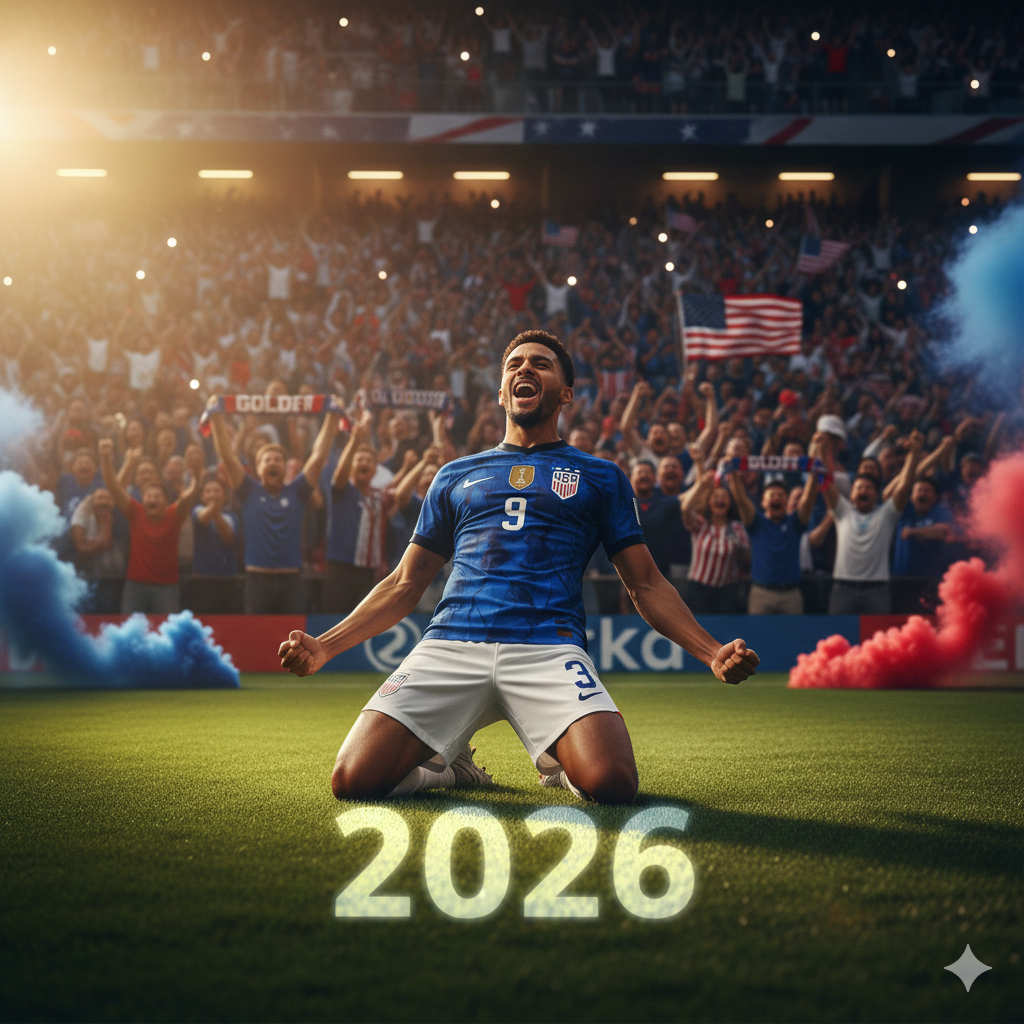
The roar of the crowd is different now. It is louder, younger, and more diverse. It carries the weight of history and the electric anticipation of the future. For decades, soccer in the United States was a sleeping giant, often dismissed as a fringe sport, perpetually living in the shadow of American football, basketball, and baseball. Today, that narrative has been definitively flipped. The soccer USMNT—the United States Men’s National Team—is not just participating on the global stage; it is demanding respect, driven by a new generation of players who are not just good for an American, but genuinely world-class.
This seismic shift marks a true golden era for the sport in America, a period of unprecedented domestic growth, global credibility, and fan integration. It is a story built on decades of incremental progress, a few crushing setbacks (most notably the failure to qualify for the 2018 World Cup), and the eventual convergence of talent, infrastructure, and culture. The confluence of a world-class domestic league, an explosion in youth development pathways, and the looming spectacle of the 2026 FIFA World Cup, which the U.S. will co-host, means the rise of the soccer USMNT is a defining moment for American athletics.
Table of Contents
The Long Arc of American Soccer History: From 1950 to 1994
To appreciate the current moment, one must understand the long, often frustrating, path that led here. The history of soccer in the United States stretches back further than many realize, with organized games taking place in the 19th century. Yet, the sport’s identity in the U.S. has always been punctuated by peaks of promise followed by valleys of decline.
The first major peak remains the 1950 World Cup in Brazil, where an amateur American side defeated the heavily favored English team 1-0 in Belo Horizonte—a result famously dubbed the “Miracle on Grass.” Despite the shock victory, the win did not trigger an immediate soccer boom in the U.S. In fact, following that tournament, the soccer USMNT would endure a brutal, four-decade-long drought, failing to qualify for the World Cup until 1990. During this time, the sport remained largely localized, relying on ethnic community leagues and the brief, bright flame of the North American Soccer League (NASL), which brought stars like Pelé and Franz Beckenbauer to American shores but ultimately collapsed in 1984.
The 1994 Catalyst
The true foundation of the modern soccer era in the U.S. was laid with a single, monumental decision by FIFA: awarding the 1994 FIFA World Cup to the United States. This move was made with the explicit caveat that the U.S. had to establish a Division I professional league. This led directly to two crucial outcomes: the soccer USMNT finally qualifying for the World Cup in 1990—thanks to Paul Caligiuri’s famous “Goal Heard ‘Round the World” against Trinidad and Tobago—and the subsequent launch of Major League Soccer (MLS) in 1996.
The 1994 World Cup was an unequivocal success, shattering attendance records that still stand today. The event proved that a massive, enthusiastic fanbase existed, paving the way for the MLS to take root. This domestic league structure was the essential missing link. For the first time, American players had a professional environment to develop their skills without having to immediately cross the Atlantic, providing a stable foundation for the national team. Without the enduring legacy of the 1994 tournament and the subsequent rise of MLS, the soccer USMNT wouldn’t have the competitive depth we see today.
The ‘Golden Generation’ 2.0: A New Breed of Player
The primary driver behind the current optimism is the quality of the playing pool. Unlike past eras, where the core of the soccer USMNT consisted mostly of domestic MLS players or a handful of individuals playing at mid-level European clubs, this current generation is profoundly different. They are young, globally integrated, and consistently succeeding at the absolute top tier of European football.
The modern soccer USMNT features stars who are cornerstones for iconic clubs across the continent. Christian Pulisic, perhaps the most recognizable name, is thriving in Italy’s Serie A. Weston McKennie and Tim Weah are key contributors at Juventus, also in Italy. Yunus Musah represents AC Milan, showcasing the growing American presence in top European leagues. On the defensive end, players like Chris Richards (Crystal Palace) and Antonee Robinson(Fulham) are Premier League regulars, while Sergiño Dest (when healthy) and Gio Reyna are high-value assets for major continental clubs.
This is not a flash in the pan; it is a systemic change. The talent is concentrated in critical positions across the pitch and possesses experience competing for league titles and in the UEFA Champions League. This level of exposure and competition ensures that when these players convene for the soccer USMNT, they bring a tactical and technical sharpness that previous generations, however spirited, could not consistently match. This exposure also raises the competitive floor for every player aspiring to make the soccer USMNT roster.
The MLS & Next Pro: America’s Engine Room
The engine powering this golden era is the Major League Soccer (MLS) system, coupled with its innovative developmental tier, MLS Next Pro. For decades, the primary hurdle for American soccer was the “pipeline”—the journey a talented youth player took from local club to professional stardom. The college system, while culturally important, often conflicted with the intense developmental environment required for elite soccer. The MLS has largely solved this problem by aggressively adopting an academy-based model, mirroring the successful structures of European giants.
The investment by MLS clubs into MLS NEXT (the elite youth league) and their dedicated academies has been revolutionary. These academies identify, recruit, and train top young talent from across the country, instilling a professional mentality from the early teen years. This process is now bearing fruit. Players are either being integrated into MLS first teams at 17 and 18, or, increasingly, being sold directly to major European clubs for significant transfer fees.
The Financial & Developmental Synergy
The financial success of the MLS is directly tied to the development of the soccer USMNT. Every major transfer of a young American player to Europe, such as those involving the current crop of stars, injects revenue back into the MLS club. This capital is then reinvested into facilities, coaching, and further youth development, creating a virtuous cycle.
Furthermore, the introduction of MLS Next Pro in 2022 has been a crucial “missing link” (SIA Academy, 2025 – Placeholder for External Link to SIA Academy on MLS Next Pro). This third-tier professional league provides a competitive bridge between the high-stakes MLS and the youth academy. It gives promising prospects, many of whom will eventually play for the soccer USMNT, consistent, high-level professional minutes without the immediate pressure of an MLS starting spot or a move abroad. It is a proving ground that ensures no talented player falls through the cracks due to a lack of professional opportunity. The result is a deeper, more technically proficient pool of athletes available for the soccer USMNT.
The sheer size of the United States population, coupled with this streamlined, professional development path, means the pipeline of talent will only expand. The next wave of players for the soccer USMNT is already in the system, demonstrating the long-term sustainability of this golden era.
The Cultural Tsunami: Fan Fervor and Viewership Records
The rise of the soccer USMNT is about more than just on-field talent; it’s a profound cultural moment. Soccer is no longer a niche, second-tier spectator sport. It is now woven into the fabric of American sports consumption, especially among younger, more diverse demographics.
Viewership and Attendance: The data speaks volumes. The 2022 Men’s World Cup broke previous American viewership records, and this success wasn’t merely a patriotic spike. International club soccer viewership in the U.S. has seen remarkable growth, with fans consuming global leagues like the Premier League, LaLiga, and Serie A on a daily basis (Samford University, 2025 – Placeholder for External Link to Samford University on Viewership Trends). This daily exposure to the highest level of the game is creating a more sophisticated, tactically literate American fan. They are no longer simply “World Cup fans”; they are dedicated, year-round followers of the sport, and they are demanding a world-class soccer USMNT.
The increasing popularity of international club soccer has been paralleled by an enthusiastic fan culture around the MLS. Supporter groups across the league have cultivated vibrant, loud, and unique stadium environments that rival those in Europe and South America. These grassroots movements are creating an authentic, passionate American soccer identity, and the enthusiasm invariably filters up to the national team.
Diversity and the Modern Soccer USMNT Identity
A critical factor in the soccer USMNT’s cultural appeal is its demographic profile. The team is a microcosm of modern America, drawing talent from varied backgrounds, reflecting a true melting pot.
- Multicultural Roots: Many players have dual nationality or strong family ties to other soccer nations, bringing different cultural and technical influences into the squad. This makes the soccer USMNT inherently appealing to the country’s diverse immigrant and second-generation communities.
- Youth Focus: The younger fanbase, Gen Z and Millennials, are highly engaged with soccer. Polls consistently show that soccer is among the most popular sports for this demographic, outpacing traditional American sports in some measurements. This bodes extremely well for the long-term growth and sustained cultural relevance of the soccer USMNT.
- The Copa América & 2026 Effect: Hosting the 2024 Copa América (an elite South American tournament) and the 2026 FIFA World Cup is a massive commercial and cultural accelerant. It places the soccer USMNT at the center of the global sporting universe for two major cycles, providing a platform to solidify the country’s status as a bona fide soccer nation.
This new level of cultural saturation creates a beneficial feedback loop: as the soccer USMNT succeeds, its fan base grows; as the fan base grows, commercial interest and media coverage expand, which in turn leads to more investment in the development that ensures future success for the soccer USMNT.
The Defining Challenge: Consistency and Expectations in 2026
The modern soccer USMNT possesses the talent, the infrastructure, and the cultural backing to succeed. But the transition from a “developing nation” to a consistent, top-tier global power requires one final, elusive component: consistency under pressure. The 2026 World Cup represents the ultimate test and a generational opportunity to cement this golden era.
The Road Ahead
The failure to qualify for the 2018 World Cup served as a necessary, sobering wake-up call, forcing US Soccer to accelerate reforms and embrace a more aggressive, international-standard approach to development. Since then, the trajectory of the soccer USMNT has been largely upward, marked by consistent regional success (multiple CONCACAF Nations League titles and Gold Cup wins) and a respectable showing at the 2022 World Cup.
However, moving from the Round of 16 to the Quarterfinals, and eventually to the Semi-finals, demands a tactical maturity and mental toughness that can only be forged in the fire of top-tier competition. The key areas for the soccer USMNT going forward involve:
- Striker Development: Historically, the U.S. has struggled to produce consistent, elite-level number nines. While players like Folarin Balogun offer immense promise, the depth chart at center forward remains a critical area for improvement if the soccer USMNT is to maximize its offensive potential against the world’s best defenses.
- Goalkeeper Stability: While the U.S. has a history of world-class keepers (Friedel, Keller, Howard), the current number one spot has seen rotation, and finding a clear, dominant anchor in goal before the 2026 tournament is paramount for the soccer USMNT’s defensive structure.
- Tactical Flexibility: Head coach Mauricio Pochettino, or whoever is at the helm, must develop a tactical identity that can adjust to different continental styles. The ability to switch formations and execute complex game plans will be crucial in the knockout rounds of 2026.
The 2026 World Cup is not just a destination; it’s a deadline. Every fixture, every friendly, and every training camp for the soccer USMNT over the next two years is a vital step toward hosting the world’s biggest sporting event and proving that the rise of American soccer is permanent.
The Economics of a Soccer Superpower: MLS, Broadcasts, and Global Branding
The true indicator of a sustained “golden era” lies beyond the immediate success of the national team: it’s in the underlying financial and structural health of the domestic game. The rise of the soccer USMNT is intrinsically linked to the maturity of its commercial ecosystem, particularly Major League Soccer.
MLS: Expansion and Valuation
Major League Soccer is now a major player in the global football landscape. It has expanded its geographical footprint to nearly 30 teams across the U.S. and Canada, entering new, lucrative markets and boasting franchise valuations that compete with established European clubs. This financial health attracts not only more investment in infrastructure but also high-profile international players, like the recent move of global icon Lionel Messi to Inter Miami. While star imports are not the sole metric for long-term success, they provide unprecedented visibility and legitimacy to the league, encouraging more young Americans to take the game seriously as a career path.
The league’s strategic 10-year, $2.5 billion broadcasting deal is another critical inflection point. This deal ensures every MLS match is easily accessible on a single platform, boosting fan engagement and providing a massive, reliable revenue stream that supports the continued growth of player salaries, academies, and facilities. This stability is directly beneficial to the soccer USMNT, as it guarantees a high-level, well-funded environment for its players to develop and maintain form outside of international windows.
The American Export Market
In this new golden era, the U.S. has become a globally recognized exporter of talent. This is a profound change. Previously, any American playing in a top European league was considered an anomaly. Now, the pathway from an MLS Academy to a top-five European league is a standard, expected progression for the elite players in the soccer USMNT pool. This has fundamentally changed how the world views American soccer.
This dynamic also provides a competitive edge: American players returning to the soccer USMNT bring back the technical demands and tactical sophistication learned at the highest club level. They are not merely relying on athleticism; they are mastering the nuances of the global game, making the soccer USMNT a more intelligent and adaptable team than ever before. This is what truly separates this era of the soccer USMNT from past iterations.
The Women’s Game Influence: A Legacy of Success
It is impossible to discuss the rise of American soccer without recognizing the foundational role of the U.S. Women’s National Team (USWNT). The women’s side has been the consistent global powerhouse for over three decades, winning four FIFA World Cups and four Olympic gold medals. Their success was not just a source of national pride; it was a critical investment vehicle and a catalyst for youth participation.
- Financial Support: The USWNT’s success generated revenue, visibility, and media coverage for the entire U.S. Soccer Federation during periods when the men’s team was struggling.
- Grassroots Impact: The dynasty of the USWNT inspired millions of children, boys and girls, to take up the sport, dramatically increasing the player pool and soccer’s cultural visibility across America. Many current soccer USMNT stars grew up watching the USWNT dominate, internalizing the expectation of global success.
- Professionalization: The National Women’s Soccer League (NWSL) continues to grow in attendance, sponsorship, and media deals. The collective growth of the NWSL and MLS establishes a robust, dual-gender professional soccer market in the U.S. that is unmatched globally.
The soccer USMNT now stands on its own merit, but it inherits a legacy of professionalism, high expectations, and a massive, existing fanbase that the women’s team helped cultivate. The overall health of American soccer is a testament to the combined success of both national teams and the underlying domestic league structures.
Tactical Evolution: Smarter Soccer, Not Just Faster Athletes
The transformation in the soccer USMNT is perhaps most evident in its on-field style. For a long time, the American identity in soccer was synonymous with hustle, athleticism, and defensive grit—a team that could run hard for 90 minutes but often lacked the technical fluidity or tactical ingenuity of European and South American powers. That era is over.
The Modern Midfield and ‘Soccer USMNT’ DNA
The core of the current soccer USMNT’s strength lies in its midfield. The trio often dubbed “The Musah-McKennie-Adams” midfield (even when Adams isn’t playing) represents a blend of high-pressing energy, technical ability under pressure, and genuine positional versatility.
- Tyler Adams (Bournemouth) is the relentless, world-class defensive anchor, whose ability to cover ground and break up play is elite. His influence on the soccer USMNT is comparable to the top defensive midfielders in Europe, bringing organization and a high-tempo press.
- Weston McKennie (Juventus) offers box-to-box dynamism, capable of dictating the tempo, making late runs into the box, and using his superior physicality and technical skill to control the transition game.
- Yunus Musah (AC Milan) provides the burst of dribbling skill and the capacity to carry the ball through lines, breaking down structured defenses.
This midfield is the engine that allows the soccer USMNT to transition from a defensively solid unit to a potent attacking force quickly. They are players who are not only physically fit but are tactically smart, having spent their formative years navigating complex systems under elite coaches abroad. This tactical maturity is the true marker of the golden era, making the soccer USMNT a team that can compete not just on fitness, but on footballing intelligence.
The Role of International Exposure
The sheer number of players in the soccer USMNT pool playing in the top European leagues ensures that the squad is familiar with diverse footballing philosophies. Players arriving from the Bundesliga, Premier League, and Serie A are used to varying tactical demands, from high-possession control to structured counter-attacking. This collective knowledge makes the soccer USMNT much more adaptable than previous squads. When a tactical change is required mid-game, or when preparing for an opponent with a unique style, the players have a collective experience bank to draw from.
The 2026 World Cup: A Transformational Tipping Point
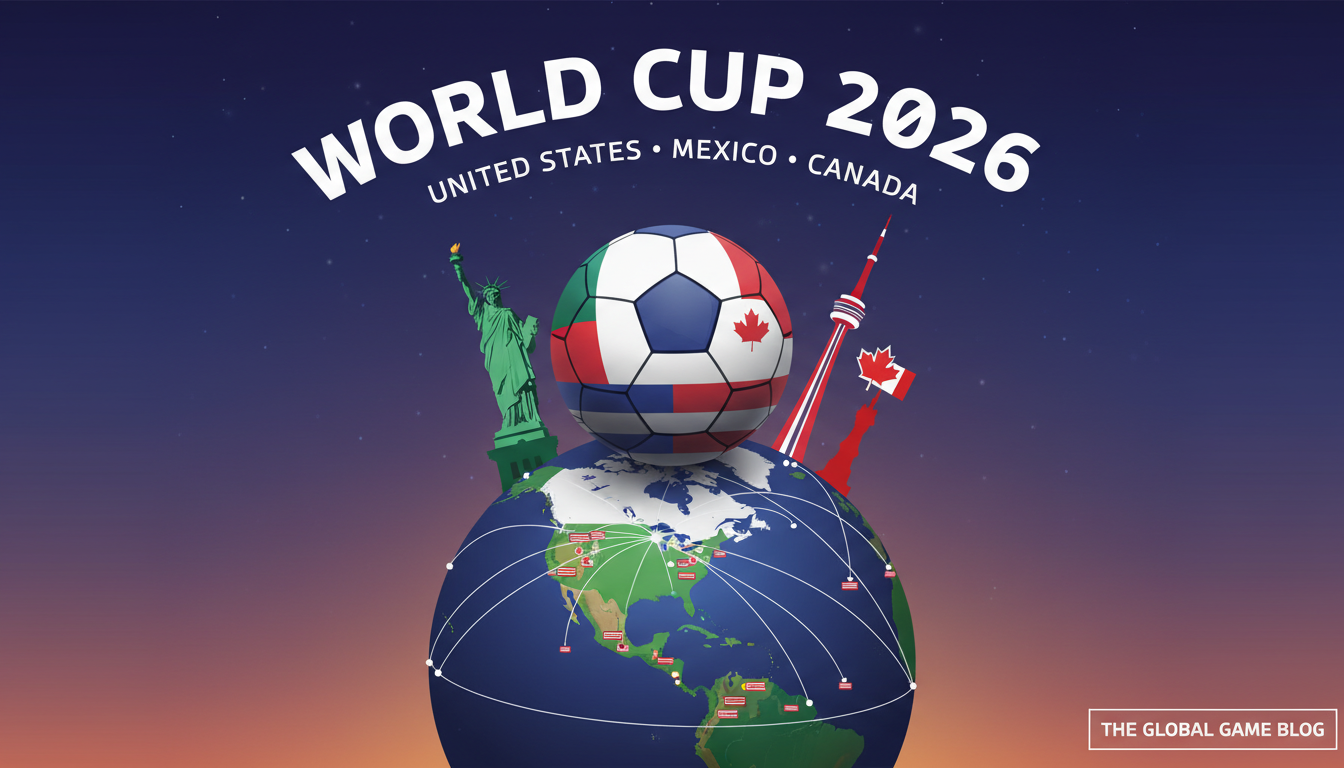
The 2026 World Cup, co-hosted with Canada and Mexico, is the ultimate deadline and the final piece of the puzzle for cementing the U.S. as a permanent global soccer power. While the USWNT already holds that status, the men’s team is on the cusp of it.
Hosting the tournament provides the USMNT with an automatic berth, allowing the team to focus entirely on building chemistry and peaking for the event, rather than enduring the grueling CONCACAF qualifying gauntlet. Crucially, the tournament will provide a massive, month-long cultural immersion for the U.S. public. This level of exposure, which will undoubtedly break all previous television and attendance records, will convert casual spectators into lifelong fans, further fueling the grassroots participation and commercial viability of the sport.
If the USMNT can make a deep run, reaching the Quarterfinals or even the Semi-finals, it will permanently alter the landscape of American sports. It will validate the decades of investment in MLS, the academy systems, and the trust placed in this new generation of players. It will move the USMNT out of the “developing nation” category and into the conversation of sustained, elite global competitors. The stakes could not be higher, and the opportunity for the USMNT to define its legacy is now.
The combination of world-class talent, a financially robust and strategically mature domestic league, a massive and growing cultural following, and the ultimate competitive platform in 2026 confirms that the rise of the USMNT is not a fleeting trend, but the dawning of a truly golden era for soccer in the United States.
For a deeper look into the developmental system fueling the USMNT pipeline, you can watch this video: 10 MLS Wunderkinds to watch in 2025.
Don’t Just Witness History, Predict It: Get the Best USMNT Analysis
You’ve read the analysis. You understand the golden era is here. But the question remains: What happens next?
The path to 2026 is filled with critical matches, roster decisions, and tactical shifts that will define the legacy of this USMNT generation. Will the young core hold up under the pressure of a home World Cup? Which MLS phenom is the next European transfer target? Will the U.S. finally break through the Quarterfinal ceiling?
Don’t rely on generic coverage. Get the focused, in-depth analysis and exclusive predictions you need to be the most informed fan in the room.
We track the academy stars, decode the coaching decisions, and break down the European form of every single player in the USMNT pool to deliver insights you won’t find anywhere else.
Join the Inner Circle: Get Our Exclusive Predictions Newsletter
We’re offering the ultimate advantage for the dedicated American soccer fan.
- Tactical Deep Dives: Detailed breakdowns of upcoming matches and opponent weaknesses.
- Roster Locks & Bubble Watch: Our weekly predictions on who makes the World Cup squad and why.
- Instant Analysis: Score predictions and post-match breakdowns delivered straight to your inbox.
The Golden Era demands golden insights. Stop guessing. Start knowing.











Comments 2